
At 2:13 a.m., someone in a hotel room does the classic “quiet nudge.” Their partner rolls over, apologizes half-asleep, and tries a new sleep gadget they saw online. Ten minutes later, the snoring returns. Nobody is mad, exactly. They’re just tired, and tomorrow’s schedule is already packed.
That scene shows up at home too. Travel fatigue, workplace burnout, and the endless stream of wellness trends can turn snoring into a nightly pressure point. If you’re looking at an anti snoring mouthpiece, you’re not alone—and you’re not being dramatic for wanting better sleep.
Overview: why snoring feels bigger lately
Snoring isn’t just noise. It can break up sleep for the snorer, the partner, or both. That can spill into mornings as irritability, low focus, and the “why am I so exhausted?” feeling.
Recent sleep coverage has also pushed a bigger point into the mainstream: some sleep breathing problems can be missed, especially when symptoms look “atypical” or get brushed off. Snoring can be harmless, but it can also be a clue. Treat it like useful information, not a character flaw.
If you want a deeper read on changing awareness and screening, see this high-authority resource on Sleep Apnea Often Goes Undetected in Women. That’s Starting to Change.
Timing: when to try a mouthpiece (and when to pause)
Good time to try it: You have regular snoring that’s worst on your back, after alcohol, during allergy seasons, or when you’re overtired. Your partner reports steady snoring without obvious choking or gasping. You want a practical, low-effort tool to test.
Pause and consider evaluation first: Snoring is loud and frequent plus you have witnessed pauses in breathing, gasping, morning headaches, high daytime sleepiness, or high blood pressure concerns. Also pause if you wake up panicky or feel your sleep is unrefreshing no matter what you try.
This isn’t about self-diagnosis. It’s about not missing something important while you experiment with gadgets.
Supplies: what you’ll want before night one
Core items
- A mouthpiece designed for snoring (read the fit and cleaning instructions).
- A mirror and good lighting for first-time fitting.
- A case for storage so it dries and stays clean.
Helpful extras
- Saline spray or humidifier if dry air worsens snoring.
- Nasal strips if congestion is a big factor for you.
- A simple sleep note on your phone: bedtime, wake time, partner feedback.
People also ask about mouth taping because it’s everywhere on social feeds. Coverage lately has emphasized that it’s not a universal “hack,” and it can carry risks for some sleepers. If you’re congested, nauseated, or unsure, don’t force it. A mouthpiece targets jaw/tongue position, which is a different approach.
Step-by-step (ICI): a simple mouthpiece trial that doesn’t create drama
This is an ICI flow: Identify the pattern, Choose the tool, Iterate based on real feedback.
1) Identify your snoring pattern for 3 nights
Don’t overcomplicate it. Note three things: sleep position, alcohol or late meals, and congestion. Ask your partner one question in the morning: “How loud was it from 1–10?” Keep it neutral. You’re collecting data, not winning an argument.
2) Choose the right style for your mouth and goals
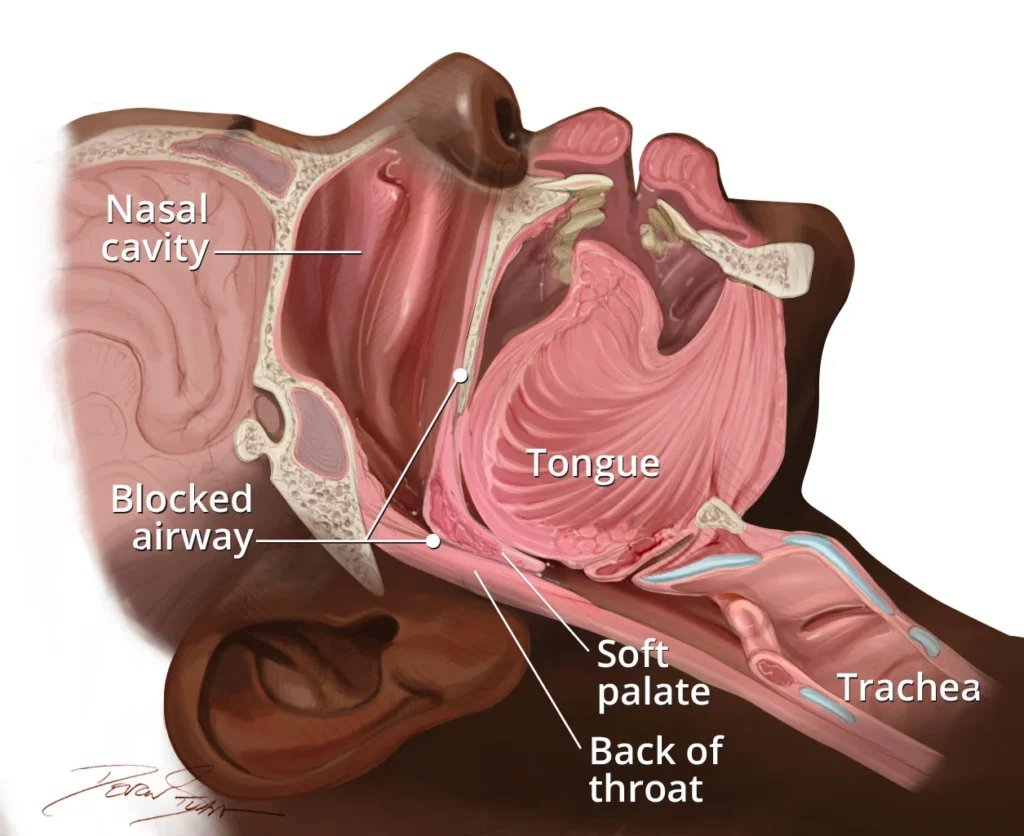
Many anti-snoring mouthpieces work by gently holding the lower jaw forward to open the airway space. Others focus on tongue position. If you have jaw sensitivity, prioritize comfort and adjustability.
If you’re comparing options, start here: anti snoring mouthpiece. Look for clear fit guidance and realistic expectations.
3) Iterate with a two-week ramp, not an all-or-nothing leap
Nights 1–3: Wear it for short periods before sleep to get used to the feel. If it’s boil-and-bite, follow timing carefully so you don’t over-soften it.
Nights 4–7: Wear it through the night. Track comfort, drooling/dryness, and whether snoring drops. Small changes matter here.
Week 2: Adjust fit if the design allows. Aim for “effective and tolerable,” not “max forward.” If you wake up with jaw pain that lingers, back off and reassess.
Relationship tip: Agree on a quick script before bed: “We’re testing one change for two weeks.” That keeps the conversation from re-litigating every rough night.
Mistakes that make people quit too early
Chasing a perfect night instead of a trend
Snoring often varies with stress, sleep debt, and travel. Look for improvement across a week, not a single miracle night.
Ignoring nasal breathing issues
If your nose is blocked, any mouth-focused solution may struggle. Treat congestion as part of the system. Simple steps like humidity and allergy management can change the outcome.
Over-tightening or over-advancing
More isn’t always better. Too aggressive a setting can lead to jaw soreness or headaches. Comfort drives consistency, and consistency drives results.
Skipping the “bigger picture” flags
Snoring can be tied to sleep-disordered breathing, and that has broader health implications. Some hospital and clinic education has highlighted that it’s not just a nuisance, especially when paired with other symptoms. If red flags show up, get checked.
FAQ
Can an anti snoring mouthpiece help my partner sleep better even if I feel fine?
Yes. Many couples notice the biggest benefit in the non-snoring partner’s sleep continuity first. That can lower tension quickly.
What if I only snore when I travel or when I’m burned out?
That’s common. Travel dryness, different pillows, alcohol at events, and stress can all worsen snoring. A mouthpiece can be a “trip toolkit” item, but still watch for persistent symptoms at home.
Should I combine a mouthpiece with other gadgets?
Start with one change so you know what worked. If you add anything, pair it with basics like side-sleeping support or nasal help, not a pile of random trends.
CTA: pick a calm next step
If snoring is turning bedtime into negotiation, you don’t need a perfect routine. You need a plan you’ll actually follow. A well-fitted mouthpiece is one of the most practical experiments to run—especially when you want quieter nights without a major lifestyle overhaul.
How do anti-snoring mouthpieces work?
Medical disclaimer: This article is for general education only and is not medical advice. Snoring can have many causes, including sleep apnea. If you have loud frequent snoring, choking/gasping, breathing pauses, chest pain, severe daytime sleepiness, or other concerning symptoms, seek evaluation from a qualified clinician.