
Is your snoring getting louder lately? Is it messing with your sleep quality (and your partner’s patience)? Are you wondering if an anti snoring mouthpiece is smarter than the viral “quick fixes” you keep seeing?
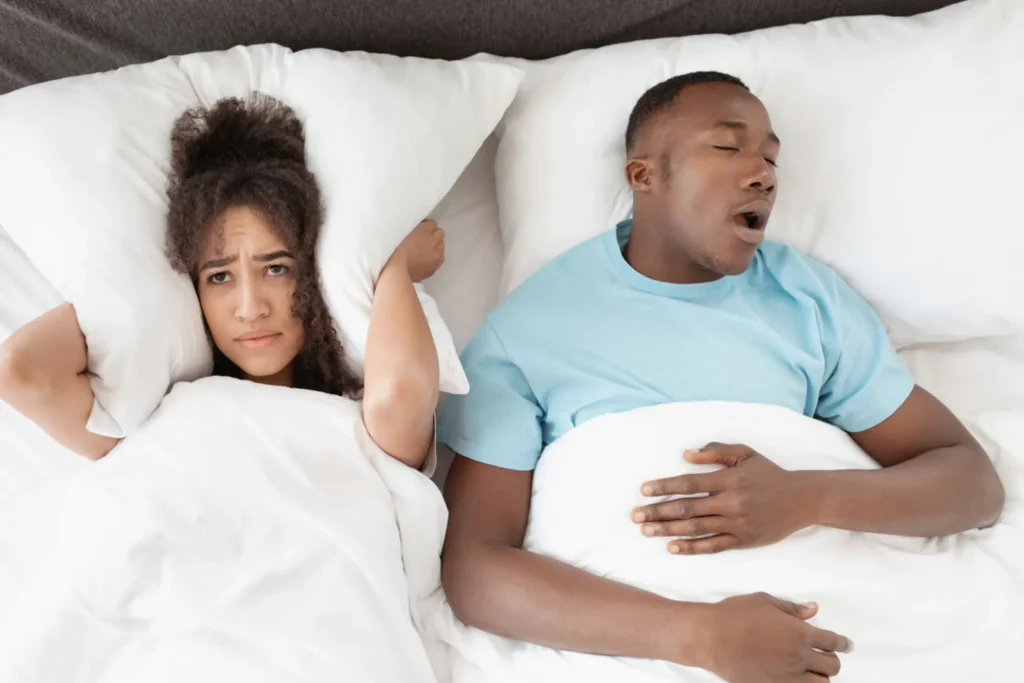
Yes—people are talking about all of this right now. Sleep gadgets are everywhere. So are “hacks,” like mouth taping, that spread fast on social media. Meanwhile, burnout, travel fatigue, and late-night scrolling make snoring feel like the final straw. Let’s sort the noise from the options that are actually worth considering.
Big picture: Why snoring feels like a bigger deal right now
Snoring isn’t just a sound. It’s a signal that airflow is getting turbulent as you sleep. That can happen for a lot of reasons, including sleep position, congestion, alcohol, or the way your jaw and tongue relax at night.
What’s new is the culture around it. Sleep trackers, smart rings, “sleepmaxxing,” and curated bedtime routines are trending. At the same time, doomscrolling and irregular schedules are normal. Put those together and people start hunting for fast solutions—sometimes too fast.
One example making the rounds is mouth taping. It’s often framed as a simple way to “force” nasal breathing. But safety concerns keep popping up in expert discussions. If you want the general context, see this coverage: Scientists warn against viral nighttime mouth-taping trend.
The emotional layer: Snoring isn’t just “your problem”
Snoring can turn bedtime into a negotiation. One person wants rest. The other feels blamed for something they can’t fully control. Add work stress and you get a predictable script: separate blankets, separate rooms, or a “joke” that lands like a complaint.
If you live with someone, name the real issue without making it personal: “We’re both losing sleep.” That framing reduces defensiveness. It also makes it easier to test solutions together.
Also, be honest about the stakes. Poor sleep changes mood, focus, appetite, and patience. When people feel burned out, even small sleep disruptions feel huge. That’s not weakness. It’s biology plus modern life.
Practical steps: What to try (in an order that makes sense)
You don’t need a drawer full of gadgets. You need a short, repeatable plan. Start with the basics, then add targeted tools.
1) Clean up the easy triggers
- Side sleeping: Back sleeping often makes snoring worse for many people.
- Alcohol timing: Drinking close to bedtime can relax airway muscles and amplify noise.
- Nasal comfort: Dry air and congestion can push you toward mouth breathing and louder snoring.
- Scrolling cutoff: If your brain is still “at work” in bed, your sleep quality takes the hit even if you fall asleep.
2) Use a mouthpiece when jaw or tongue position is the likely issue
An anti snoring mouthpiece is usually designed to keep the lower jaw slightly forward or stabilize the mouth in a way that reduces airway collapse and vibration. For many people, that’s more direct than chasing a new sleep hack every week.
If you’re comparing options, start here: anti snoring mouthpiece. Focus on comfort, adjustability, and whether it’s designed for nightly wear.
3) Pair the mouthpiece with “sleep quality” habits that actually stick
People love complicated routines. Most don’t last. Instead, pick two habits you can do even on a rough day:
- Same wake time most days (even after a bad night).
- 10-minute wind-down that doesn’t involve your phone.
- Bedroom temperature and darkness that make sleep easier to maintain.
These won’t “cure” snoring, but they reduce the overall sleep debt that makes everything feel worse.
Safety and testing: Avoid the risky shortcuts
Viral trends often skip the boring part: who should not try them. Mouth taping is a good example. If your nasal breathing isn’t consistently clear, forcing your mouth closed can be a bad idea. Even if you can breathe through your nose most nights, you can’t predict congestion, allergies, or reflux every night.
Mouthpieces aren’t risk-free either. Common issues include jaw soreness, tooth discomfort, dry mouth, or bite changes over time. Choose a product that fits properly, and stop if you feel sharp pain or worsening symptoms.
A simple 7-night “does this help?” test
- Track outcomes: partner-rated snoring (0–10), your morning energy (0–10), and awakenings.
- Keep variables stable: similar bedtime, similar alcohol/caffeine timing.
- Adjust gradually: if the mouthpiece is adjustable, don’t jump to maximum settings on night one.
If snoring is paired with choking, gasping, or repeated breathing pauses, don’t rely on home experiments alone. Those can be signs of a sleep-related breathing disorder that needs medical evaluation.
Medical disclaimer: This article is for general education only and is not medical advice. It does not diagnose, treat, or replace care from a licensed clinician. If you have severe snoring, daytime sleepiness, breathing pauses, chest pain, or other concerning symptoms, seek professional evaluation.
FAQs: Quick answers people want before buying anything
Will a mouthpiece fix snoring caused by congestion?
It may not. If the main driver is nasal blockage, you’ll likely need to address nasal breathing comfort first.
What if my partner says the snoring is “on and off”?
That’s common. Stress, alcohol, sleep position, and travel schedules can make snoring fluctuate. Test solutions across a full week.
Can an anti-snoring mouthpiece improve sleep quality even if I don’t wake up?
Possibly. If snoring reflects airflow restriction, reducing it can help sleep feel more restorative. Still, results vary person to person.
CTA: Make the next step simple
If you’re done experimenting with trends and want a more practical tool to test, look at mouthpiece options built specifically for snoring. Then run a short, consistent trial and judge it by sleep quality—not hype.