
Myth: If you snore, it’s always “just annoying.”
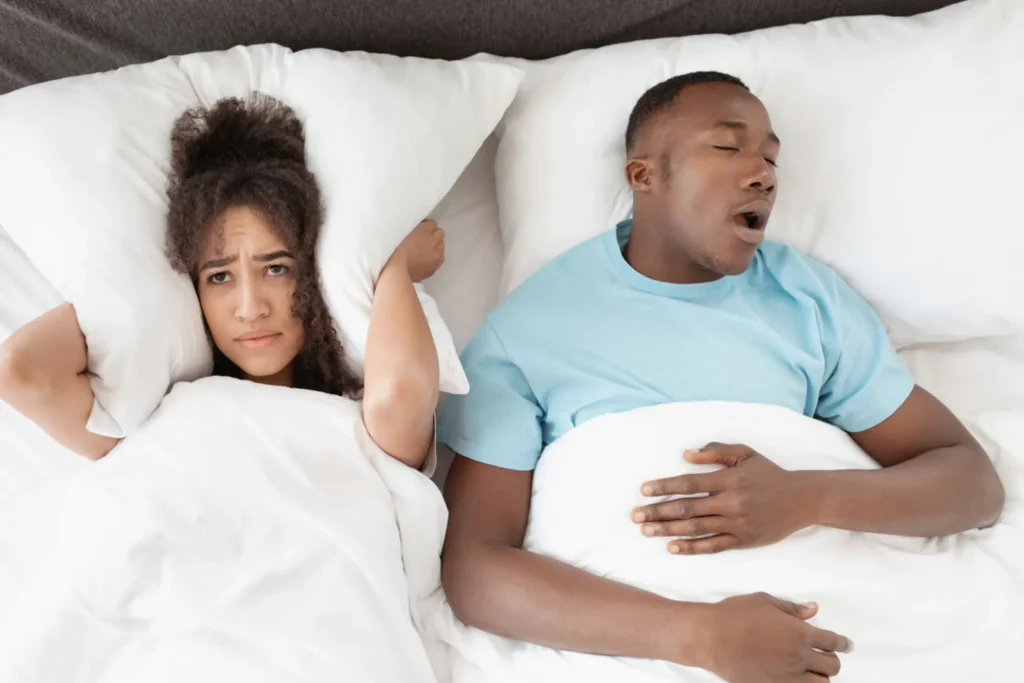
Reality: Snoring can be harmless, or it can be a clue that your breathing is struggling at night. Either way, it can drag down sleep quality, mood, and even how patient you feel with the person next to you.
Snoring is also having a moment culturally. Sleep trackers, “smart” pillows, and viral bedtime routines keep popping up in conversations. Add travel fatigue, late-night scrolling, and workplace burnout, and it’s no surprise couples are joking (and arguing) about who kept whom awake.
Is snoring always the problem—or just the loudest symptom?
Snoring is noise from vibration in the upper airway. That can happen for lots of reasons. Congestion, alcohol, sleep position, and anatomy can all play a role.
Here’s the key point people are discussing more lately: you can have sleep-disordered breathing even if snoring isn’t obvious. If you’re worried about obstructive sleep apnea, start with reputable medical guidance on Yes, You May Have Sleep Apnea Even If You Don’t Snore.
Quick signs that deserve attention
- Regular loud snoring plus choking/gasping sounds
- Someone witnesses pauses in breathing
- Morning headaches, dry mouth, or sore throat
- Excessive daytime sleepiness, brain fog, irritability
Those signs don’t confirm anything on their own. They do justify a real conversation with a clinician, especially if they’re frequent.
Why does snoring crush sleep quality (and relationships)?
Even when snoring isn’t tied to a medical condition, it can still fragment sleep. The snorer may pop into lighter sleep without noticing. The partner often wakes repeatedly and racks up sleep debt.
That’s where the emotional layer hits. After a week of poor sleep, tiny things feel personal. The “just wear earbuds” solution turns into resentment. A calmer approach is to treat snoring like a shared problem to solve, not a character flaw.
Try a two-minute reset conversation
- Pick a neutral time (not 3 a.m.).
- Agree on a goal: “Both of us sleep better.”
- Choose one change to test for 7 nights.
This keeps the process practical. It also lowers the pressure that makes bedtime feel like a performance review.
Where does an anti snoring mouthpiece fit in?
An anti snoring mouthpiece is a mechanical tool. It aims to reduce airway vibration by changing how your jaw and/or tongue sits during sleep. It’s not a “sleep gadget” in the influencer sense. It’s more like a nightly support device.
People tend to consider a mouthpiece when snoring is frequent, position changes don’t fully help, and the main issue seems to be airflow restriction in the upper airway. Comfort matters, too. If it feels unbearable, you won’t use it consistently.
Who often does well with a mouthpiece?
- Back-snorers who notice improvement on their side
- People whose snoring sounds “throaty” rather than nasal
- Couples who want a non-invasive option to try first
Who should pause and consider medical advice first?
- Anyone with suspected sleep apnea symptoms (gasping, witnessed pauses, heavy daytime sleepiness)
- People with significant jaw pain, dental issues, or ongoing TMJ problems
- Those who wake up feeling panicked or short of breath
What are people shopping for right now (and what to ignore)?
Recent “best of” lists and expert roundups have made anti-snore devices feel like a category you can optimize. That’s useful, but it also tempts people to buy three gadgets and test none of them long enough.
Instead, focus on fit and follow-through. A mouthpiece you can tolerate nightly beats a drawer full of trendy sleep accessories.
A simple decision filter
- Goal: Reduce snoring volume and nighttime wake-ups.
- Barrier: Comfort and consistent use.
- Safety: Stop if you develop persistent pain or bite changes.
If you’re considering a mouthpiece, what should you look for?
Look for a setup that feels realistic for your life. Travel-heavy schedule? You’ll want something easy to pack and clean. Burned out and short on bandwidth? Simplicity wins.
If you want an option that bundles approaches, you can review an anti snoring mouthpiece. The point is not “more gear.” The point is reducing the nightly variables that keep you both awake.
Night-one expectations (keep them realistic)
- You may drool more at first. That often improves as you adjust.
- Mild jaw awareness can happen early on.
- If pain is sharp, persistent, or worsening, don’t push through.
What else improves sleep quality while you tackle snoring?
Snoring fixes land better when your baseline sleep habits aren’t chaotic. You don’t need a perfect routine. You do need fewer “sleep disruptors” stacked on top of each other.
Small moves that tend to help
- Keep alcohol and heavy meals earlier in the evening when possible.
- Make the room cooler, darker, and quieter (yes, boring works).
- Use a wind-down cue that doesn’t involve doomscrolling.
- If travel wrecks your sleep, prioritize a consistent wake time for a few days.
These aren’t magic. They simply reduce the background noise so you can tell what’s actually working.
FAQs
Can you have sleep apnea without snoring?
Yes. Snoring is common, but it isn’t required. If you suspect apnea, consider professional screening.
Do anti-snoring mouthpieces help with sleep quality?
They can, if snoring is causing arousals for you or your partner. Better continuity often feels like better sleep.
What if my partner says I still snore?
Treat it like a data point, not a verdict. Adjust fit if appropriate, reassess sleep position, and consider medical input if symptoms suggest apnea.
CTA: Make the next step easy
If snoring is turning bedtime into a negotiation, choose one approach to test consistently. A mouthpiece can be a practical place to start when snoring seems positional or jaw-related.
How do anti-snoring mouthpieces work?
Medical disclaimer: This article is for general education only and isn’t medical advice. Snoring can be a sign of a sleep-related breathing disorder, including obstructive sleep apnea. If you have choking/gasping, witnessed breathing pauses, significant daytime sleepiness, chest pain, or worsening symptoms, seek evaluation from a qualified clinician.