
Myth: Snoring is just a harmless sound effect.
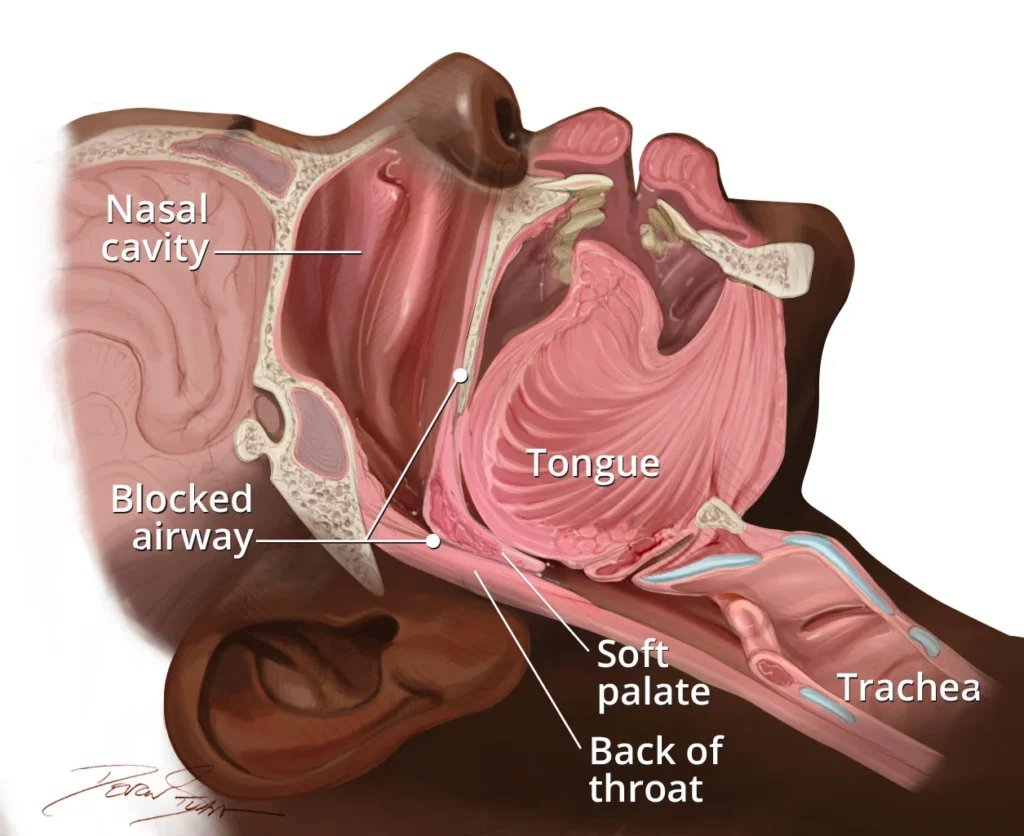
Reality: Snoring can be a nightly stress test for your sleep quality, your mood, and your relationship. If you’ve ever negotiated “who gets the couch” after a loud night, you already know it’s not just noise.
People are talking about sleep more than ever—wearables, sleep scores, white-noise machines, “recovery” routines, and the post-travel fatigue spiral. Under all that buzz is a simple goal: breathe well, sleep deeply, wake up functional.
Is my snoring actually hurting sleep quality?
Often, yes. Snoring can fragment sleep for the snorer, the partner, or both. Even if you don’t fully wake up, micro-arousals can leave you foggy, irritable, and craving caffeine by mid-morning.
Sleep also has a social cost. When one person is wired from workplace burnout and the other is sawing logs, resentment builds fast. A calmer plan starts with naming the problem without blaming the person.
Quick signs snoring is “more than annoying”
- Your partner notices pauses in breathing, choking, or gasping.
- You wake up with a dry mouth, morning headaches, or a sore throat.
- You’re sleepy during meetings or you nod off easily in quiet moments.
- Snoring is getting louder over time, especially with weight changes or alcohol.
Snoring can also overlap with sleep apnea, a condition where breathing repeatedly narrows or stops during sleep. If you suspect apnea, get evaluated. Snoring isn’t “just a nuisance” for everyone, and sleep health is closely tied to overall health.
What are people doing “starting tonight” to manage snoring and sleep health?
Recent sleep-health conversations tend to focus on practical, low-friction steps. Not miracle hacks. Think: fewer variables, more consistency.
- Side sleeping: Back sleeping can worsen airway collapse for some people.
- Alcohol timing: Alcohol near bedtime relaxes airway muscles and can amplify snoring.
- Nasal comfort: If congestion is part of your pattern, gentle approaches may help. (Some research discussions have even looked at saline sprays in kids with sleep-disordered breathing, but children should be managed by a pediatric clinician.)
- Wake-time consistency: Staying in bed longer doesn’t always create better rest. A stable wake time can improve sleep drive and reduce that “stuck in bed, still tired” feeling.
These steps can help—yet many people still want a targeted tool for the loudest part of the problem: airflow vibration from a narrowed airway.
When does an anti snoring mouthpiece make sense?
An anti snoring mouthpiece is usually designed to keep the airway more open by repositioning the jaw and/or stabilizing the tongue. For many adults, that’s the point: reduce soft-tissue collapse that creates vibration and noise.
It can be a strong option when snoring is positional, worse on your back, or tied to jaw relaxation. It’s also popular with travelers who don’t want to pack bulky gear or gamble on a hotel pillow that turns them into a freight train.
What it can help with
- Snoring linked to jaw/tongue position during sleep
- Partner-disturbing noise that’s impacting relationship harmony
- “I sleep, but I don’t recover” nights that fuel burnout
When you should pause and get checked
- Breathing pauses, gasping, or choking during sleep
- High blood pressure concerns or heart-related risk discussions with your clinician
- Severe daytime sleepiness, especially when driving
For broader context on why snoring can connect to heart health discussions, see this related coverage: 7 Ways to Help Manage Sleep Apnea, Starting Tonight.
How do I talk about snoring without starting a fight?
Snoring is a “two-person problem” in a shared bed, but it’s not a character flaw. Keep it concrete and team-based.
- Use impact language: “I’m not getting deep sleep,” not “You ruin my nights.”
- Pick a calm time: Not at 3:00 a.m. during the third elbow nudge.
- Agree on a trial: Two weeks of one change at a time. Track what helps.
Relationship humor helps too. Make it you-versus-the-snore, not you-versus-your-partner.
What should I look for in a mouthpiece if I’m ready to try one?
Skip the hype and focus on basics: comfort, stability, and a design that supports consistent use. A device that sits in a drawer can’t improve sleep quality.
- Fit and comfort: You need something you can tolerate for hours.
- Jaw support: Some people do better with added stabilization.
- Simple routine: Easy cleaning and easy packing for travel.
If you want a combined option, consider an anti snoring mouthpiece to support a more stable overnight fit for certain sleepers.
How can I test if it’s working (without obsessing over gadgets)?
You don’t need a lab to see early wins. Use a simple checklist for 10–14 nights.
- Partner reports fewer wake-ups or less volume
- You wake up with less dry mouth
- Fewer morning headaches
- Better daytime focus and less “wired but tired” burnout feeling
If symptoms suggest sleep apnea, don’t self-manage indefinitely. A proper evaluation can change the entire game plan.
FAQs
Does an anti snoring mouthpiece help everyone?
No. It often helps with snoring tied to jaw/tongue position, but it may not fix snoring caused by severe congestion or certain sleep apnea cases.
How long does it take to notice results?
Many people can tell within a few nights if snoring volume drops, but comfort and fit can take a week or two to dial in.
Is loud snoring always sleep apnea?
Not always. Snoring can happen without sleep apnea, but choking/gasping, witnessed breathing pauses, or extreme daytime sleepiness are red flags to get evaluated.
Can I use a mouthpiece if I have jaw pain or TMJ issues?
Use extra caution. If you have significant jaw pain, clicking, or TMJ history, talk with a dental professional before using any device that changes jaw position.
What else can I do tonight besides a mouthpiece?
Try side-sleeping, reduce alcohol close to bedtime, treat nasal stuffiness, and keep a consistent wake time. Small changes can stack quickly.
Next step: make the bed a place you both want to be
Snoring isn’t a personality trait. It’s usually a fixable pattern. Start with one change, measure the result, then build from there.
How do anti-snoring mouthpieces work?
Medical disclaimer: This article is for general education and is not medical advice. It does not diagnose or treat any condition. If you suspect sleep apnea or have symptoms like breathing pauses, choking/gasping, chest pain, or severe daytime sleepiness, seek evaluation from a qualified clinician.