
Myth: Snoring is just “annoying noise.”
Reality: Snoring often becomes a sleep-quality problem, a relationship problem, and a stress problem—fast.
If you’ve seen the wave of sleep gadgets, app scores, and new “connected” sleep products in the news, you’re not imagining it. People are treating sleep like a performance metric. Meanwhile, the person next to you just wants one quiet night.
This guide stays practical. It covers when an anti snoring mouthpiece makes sense, how to try one without drama, and how to talk about it when everyone’s tired.
Overview: Why snoring feels bigger right now
Snoring has always been around. What’s changed is the pressure. Travel fatigue, workplace burnout, and constant notifications make sleep feel fragile. Add relationship humor (“I love you, but your snore has its own zip code”), and you get a nightly conflict loop.
On the medical side, public awareness of sleep-disordered breathing is higher than it used to be. If you want a plain-language refresher on warning signs, see Doctor reaches milestone treating more than 200 patients with sleep apnea implant.
Important: a mouthpiece can help snoring for some people, but it’s not a cure-all. Think of it as one tool in a bigger sleep-health toolkit.
Timing: When to try a mouthpiece (and when to pause)
Try it when the pattern is predictable
A mouthpiece is most appealing when snoring has a pattern: back-sleeping, a few drinks, congestion, or that first week back from a work trip. Those are the nights when couples end up negotiating who gets the couch.
Pause and get checked when red flags show up
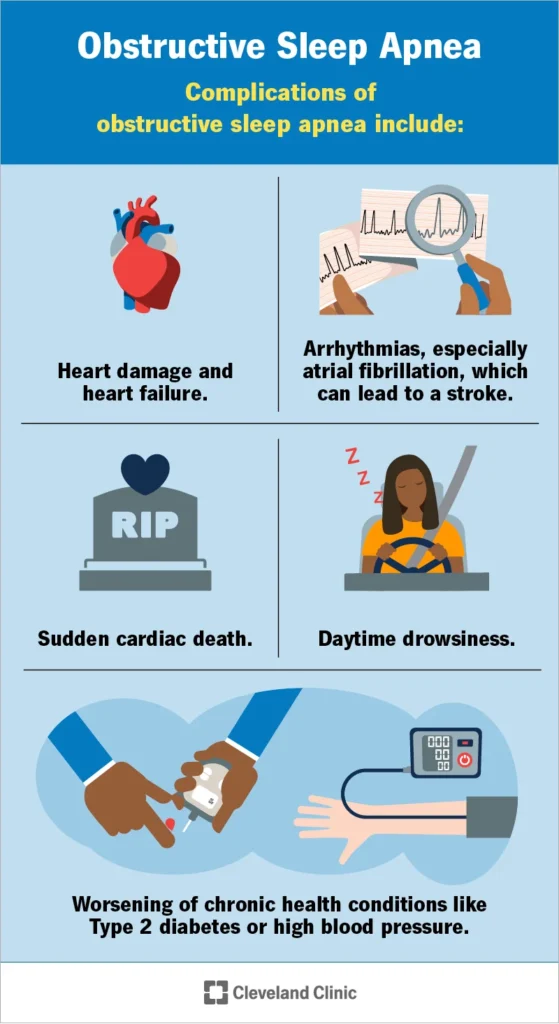
Don’t self-manage serious symptoms. If there are witnessed breathing pauses, choking or gasping, morning headaches, or heavy daytime sleepiness, consider a clinician-led evaluation. Snoring can overlap with sleep apnea, and that deserves proper screening.
Supplies: What you’ll want before night one
- Your mouthpiece (and the instructions—don’t freestyle it).
- A simple baseline: 3–7 nights of notes on snoring, wake-ups, and morning energy.
- Phone notes (or a sleep app) to track trends without obsessing.
- A backup plan: nasal strips, saline rinse, or side-sleep support if congestion or position is part of the issue.
- A two-minute conversation with your partner: what “better” looks like for both of you.
Step-by-step (ICI): Implement, Check, Iterate
1) Implement: Start small to avoid the “rip it out at 2 a.m.” problem
Wear the mouthpiece briefly before sleep for a couple of nights. This helps your jaw and mouth adapt. If the product is adjustable, follow the recommended progression instead of jumping to the most aggressive setting.
2) Check: Measure what matters (not just noise)
Snoring volume is only one signal. Also check:
- How often you wake up
- Dry mouth in the morning
- Jaw soreness or tooth discomfort
- Your partner’s sleep continuity (the real scoreboard)
3) Iterate: Adjust one variable at a time
If you change everything at once—mouthpiece, pillow, supplements, mouth taping, and a new sleep tracker—you won’t know what worked. Keep it simple. Give each adjustment a few nights, then reassess.
If you’re shopping for a combined approach, you can review an anti snoring mouthpiece option and compare it to your needs (comfort, fit, and how you breathe at night).
Mistakes that keep couples stuck in the snore-fight cycle
Trying to “win” instead of solving the sleep problem
Snoring can trigger shame for the snorer and resentment for the listener. Name that dynamic out loud. Then agree on a shared goal: fewer wake-ups for both people.
Ignoring comfort signals
Jaw pain, tooth pain, or bite changes are not “normal getting used to it.” Mild adjustment is one thing. Ongoing pain is another. Stop and reassess fit or talk to a dental professional.
Over-trusting viral hacks
Sleep trends move fast. Mouth taping, in particular, gets a lot of attention. It may be risky for people with nasal obstruction or breathing concerns. If you can’t breathe freely through your nose, don’t force the issue.
Skipping the boring basics
Basic sleep hygiene sounds dull, but it stacks wins. Keep a consistent sleep window, reduce alcohol close to bedtime, and manage congestion. These changes can lower snoring intensity and improve sleep quality, with or without a device.
FAQ
Can an anti snoring mouthpiece improve sleep quality?
It can if snoring is fragmenting sleep for you or your partner. The best signal is fewer awakenings and better morning energy over 1–2 weeks.
What if I snore more when traveling?
That’s common. Travel fatigue, alcohol, and unfamiliar pillows push people onto their backs and dry out airways. Pack your device, hydrate, and prioritize side-sleeping.
Do connected oral appliances matter?
Some newer products are designed to fit into broader “connected care” ecosystems. That may help with tracking and follow-up, but comfort and correct fit still matter most day-to-day.
When should I talk to a clinician?
If there are breathing pauses, gasping, significant daytime sleepiness, high blood pressure concerns, or you feel unsafe driving due to fatigue, get evaluated.
CTA: Choose the next right step (tonight)
Snoring doesn’t have to become a nightly negotiation. Pick one change you can actually stick with for seven nights: a mouthpiece trial, side-sleep support, or a conversation about what’s working and what isn’t.
How do anti-snoring mouthpieces work?
Medical disclaimer: This article is for general education only and is not medical advice. Snoring can be harmless, but it can also be linked with sleep-disordered breathing. If you have symptoms like breathing pauses, choking/gasping, chest pain, severe daytime sleepiness, or jaw/tooth pain with an oral device, seek guidance from a qualified clinician or dentist.