
Snoring isn’t just noise. It’s pressure—on sleep, on patience, and sometimes on the relationship.
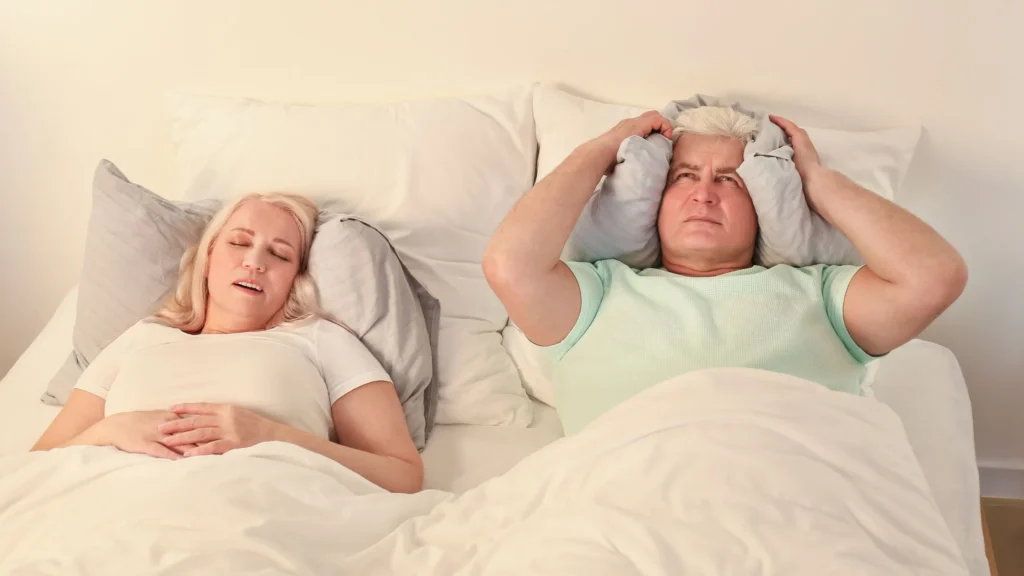
And lately, it’s also a trend. People swap tips about wearables, “sleep hacks,” and travel fatigue fixes like it’s a new wellness hobby.
If snoring is affecting your nights, an anti snoring mouthpiece can be a practical first decision—if you match the right scenario.
The quick reality check (before you buy anything)
Some headlines have been pointing attention back to sleep apnea care, including recognition for surgical excellence in obstructive sleep apnea treatment. That’s a reminder: snoring can be simple, but it can also be a signal.
Meanwhile, other stories keep circulating about “natural” strategies and viral experiments like mouth taping. Those conversations are useful, but they can also distract from the basics: airway, sleep quality, and consistency.
If…then…: pick your most likely snoring lane
If your partner says you snore most on your back… then start with position + a mouthpiece check
Back-sleeping can make the jaw and tongue fall backward, which can narrow the airway. That’s why “side sleeping” advice shows up everywhere.
If you’re also waking up with a dry mouth or a sore throat, a mouthpiece may help by changing jaw position or stabilizing the mouth during sleep. Keep it simple: pick one change, track results for a week, then adjust.
If you’re buying sleep gadgets but still feel wrecked… then treat snoring like a sleep-quality problem, not a tech problem
Sleep tech can be motivating, but it can’t compensate for fragmented breathing or constant micro-wakeups. If your tracker shows plenty of “time in bed” yet you wake up foggy, snoring may be cutting sleep quality.
An anti snoring mouthpiece is one of the more direct, mechanical approaches people try because it targets the airway setup, not just the bedtime routine.
If snoring got worse after travel, late nights, or burnout… then test the “temporary trigger” theory
Travel fatigue, irregular schedules, and stress can amplify snoring. People notice it after red-eye flights, conference weeks, or a rough month at work.
In that case, think in two layers: rebuild the routine (sleep timing, alcohol timing, nasal comfort) and consider a mouthpiece as the “quiet-the-room” support while you stabilize the basics.
If you wake up gasping, choking, or with pounding morning headaches… then don’t DIY the whole thing
Those symptoms can be associated with obstructive sleep apnea. You don’t need to panic, but you do need to take it seriously.
Use professional screening rather than relying on hacks or guesswork. For a related news reference, see Paducah physician recognized for excellence in obstructive sleep apnea surgery.
If the issue is relationship tension… then make it a shared plan, not a personal flaw
Snoring jokes land differently at 2:13 a.m. When one person can’t sleep, both people pay for it the next day.
Try a low-drama agreement: pick a two-week trial (mouthpiece, sleep position changes, and a simple sleep log). Talk about what “better” means—fewer wakeups, less resentment, more energy—so you’re measuring the same win.
Where an anti snoring mouthpiece fits (and where it doesn’t)
A mouthpiece is usually about changing the mouth/jaw setup to reduce snoring vibrations and airway narrowing. It’s not a “sleep hygiene” accessory. It’s a physical intervention.
It may be a reasonable option when snoring seems positional, when your partner reports fewer noises in certain positions, or when you want a non-machine approach. It may not be enough when symptoms strongly suggest sleep apnea or when you can’t tolerate anything in your mouth.
Some newer oral appliances are also being discussed in connected-care contexts, which reflects a broader trend: sleep tools are moving toward tracking, follow-up, and better fit. You don’t need a complicated ecosystem to start, but it helps to choose a product you can realistically use nightly.
Decision shortcut: choose your next step tonight
- If you snore occasionally: focus on routine and triggers, and consider a mouthpiece only if it’s disrupting a partner’s sleep.
- If you snore most nights: trial a mouthpiece plus side-sleeping and track outcomes for 10–14 nights.
- If you have red flags (gasping, choking, heavy daytime sleepiness): book a sleep evaluation and ask about oral appliance options.
FAQs (quick answers)
Do anti-snoring mouthpieces work for everyone?
No. They’re most helpful when anatomy and sleep position play a big role, and less helpful when another condition is driving symptoms.
Is snoring always a sign of sleep apnea?
No, but it can be. If snoring comes with breathing pauses, gasping, or significant daytime sleepiness, get screened.
How long does it take to get used to a mouthpiece?
Many people need several nights to adapt. Fit and comfort are the difference between “works” and “ends up in the drawer.”
Can a mouthpiece replace CPAP?
For some people, an oral appliance is an alternative. For others, CPAP remains the most effective option. Severity and fit matter.
What’s the difference between a store-bought mouthpiece and a custom oral appliance?
Store-bought options are more accessible. Custom appliances are fitted to your bite and usually managed through clinical care.
CTA: pick a mouthpiece option you’ll actually use
If you’re ready to test a practical solution, start by comparing anti snoring mouthpiece and choose one that matches your comfort needs and nightly routine.
How do anti-snoring mouthpieces work?
Medical disclaimer: This article is for general education only and is not medical advice. Snoring can have multiple causes, including sleep apnea. If you have choking/gasping during sleep, breathing pauses, chest pain, severe daytime sleepiness, or other concerning symptoms, seek evaluation from a qualified clinician.