
Is your snoring a “funny story” or a sleep-quality problem?
Are you shopping sleep gadgets because you’re exhausted, traveling more, or burned out at work?
Do you want an anti snoring mouthpiece that actually matches your situation, not a random trend?
This post answers all three. It’s a direct decision guide with clear “if…then…” branches, plus a quick FAQ and a simple next step.
Why snoring feels louder lately (even if it isn’t)
Snoring isn’t new. What’s new is how it shows up in daily life. People are mixing sleep trackers, “biohacking” trends, and travel fatigue into the same conversation.
Then the relationship side hits. One person can’t sleep. The other feels blamed. Add workplace burnout, and suddenly snoring becomes a nightly pressure test.
Your decision guide: If this is you, then do this
If your partner says you snore most nights…then treat it like a sleep-quality issue
Chronic snoring can fragment sleep for both of you. That often shows up as short tempers, low focus, and “we’re fine” conversations that aren’t fine.
Then: start with practical basics (sleep position, alcohol timing, nasal comfort) and consider an anti snoring mouthpiece if your snoring seems positional or jaw-related.
If you snore more after travel, late nights, or drinks…then look for pattern-based fixes
Many people notice louder snoring after red-eye flights, hotel pillows, or a week of too little sleep. That’s not a moral failure. It’s physiology plus fatigue.
Then: test changes one at a time. Side sleeping and consistent sleep timing can matter. If your jaw drops open at night, a mouthpiece (and sometimes a supportive chin strap) may help keep things steadier.
If you’re tempted by viral hacks (like taping your mouth)…then pause and think “airway first”
Some headlines have spotlighted mouth taping for snoring and raised safety questions. The core issue is simple: you need a clear, reliable breathing route all night.
Then: don’t copy a trend because it’s trending. If you can’t breathe well through your nose, taping can be risky. If you suspect sleep apnea, skip experiments and talk to a clinician.
If you want to read more about the safety discussion in the news, here’s a relevant reference: Taping your mouth shut to stop snoring is a thing — but is it safe? Experts weigh in.
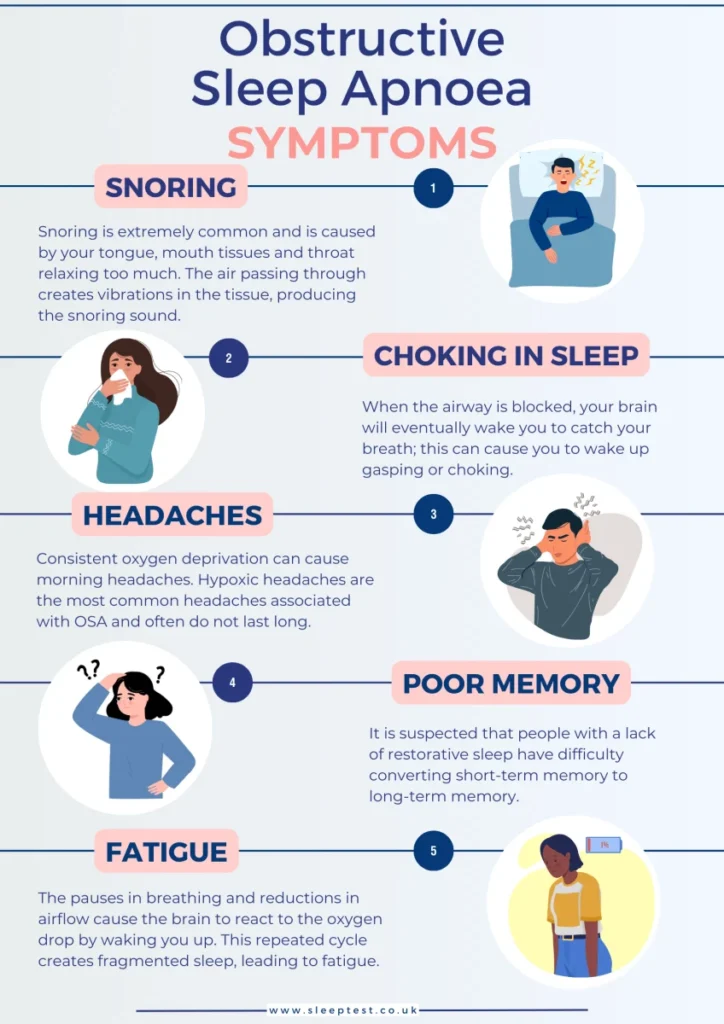
If your snoring comes with “not obvious” warning signs…then screen for sleep apnea
Some people miss the signs because they don’t fit the stereotype. Snoring plus daytime sleepiness is a common combo, but it’s not the only one.
Then: take red flags seriously. Gasping/choking, waking with headaches, or dozing off easily can justify a medical conversation. Sleep apnea is a health condition, not just an annoyance.
If you want a mouthpiece: choose by fit, comfort, and purpose
Not all mouthguards are designed to reduce snoring. For snoring, many people look at mandibular advancement-style designs that gently position the lower jaw forward to help keep the airway more open.
Then: prioritize comfort and consistent use. A device that sits in a drawer won’t help your sleep or your relationship.
How an anti snoring mouthpiece fits into sleep health (without the hype)
Think of snoring like a vibration problem. Air is trying to move through a partially narrowed space. Small changes in position can change the noise and the airflow.
An anti snoring mouthpiece aims to reduce that narrowing in a targeted way. It’s not a cure-all. It’s a tool that can improve sleep quality when it matches the cause.
Relationship reality check: talk about the plan, not the blame
Snoring fights often sound like jokes until nobody’s laughing. The fastest way to lower the tension is to agree on a short trial plan.
Pick a window (two weeks works well). Decide what you’ll try, what “better” means (fewer wake-ups, less couch-sleeping), and what you’ll do if it doesn’t improve.
Product option: mouthpiece + chin support in one setup
If open-mouth breathing is part of your snoring pattern, a combined approach may be easier than juggling multiple items at bedtime.
Here’s one option to review: anti snoring mouthpiece.
FAQ (fast answers)
Can snoring still be a problem if I feel “fine”?
Yes. Many people normalize poor sleep. If your partner reports loud snoring or you rely on caffeine to function, it’s worth taking seriously.
Will a mouthpiece fix snoring caused by congestion?
It might not. If nasal blockage is the main driver, addressing nasal breathing comfort can matter more than jaw position.
What if my jaw feels sore?
Mild soreness can happen early on. Sharp pain, tooth pain, or bite changes are not “push through it” signals. Stop and consider professional advice.
Call to action: get the simple explanation
How do anti-snoring mouthpieces work?
Medical disclaimer: This article is for general information only and isn’t medical advice. Snoring can be a symptom of sleep apnea or other conditions. If you have choking/gasping, severe daytime sleepiness, or other concerning symptoms, talk with a qualified clinician for evaluation and treatment options.