
Myth: Snoring is just a “funny” sleep quirk.
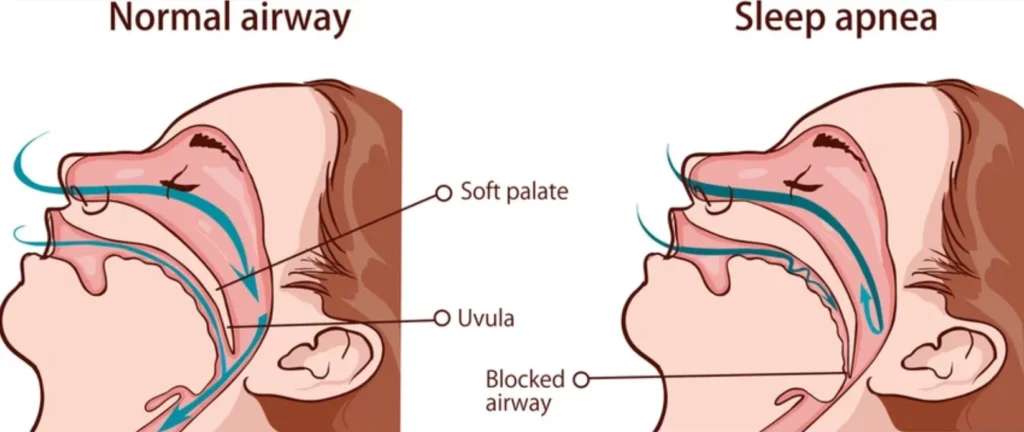
Reality: Snoring can quietly wreck sleep quality, spike tension with a bed partner, and leave you dragging through work the next day.
Right now, sleep is having a moment. People are buying sleep gadgets, comparing trackers, and joking about “separate bedrooms” like it’s a relationship hack. Under the humor, there’s real pressure: travel fatigue, burnout, and the simple fact that broken sleep makes everything harder.
This guide keeps it practical. If you’re considering an anti snoring mouthpiece, here’s how to think about it—without hype.
Is snoring really hurting my sleep quality (or just my partner’s)?
Snoring doesn’t always wake the snorer fully. It can still fragment sleep in micro-arousals. Your partner may get the worst of it, but you can feel the fallout too.
Common signs snoring is costing you sleep quality:
- Waking up unrefreshed even after “enough” hours
- Dry mouth or sore throat in the morning
- Morning headaches or brain fog
- Irritability that shows up fast (especially after travel or stressful weeks)
If snoring becomes a nightly conflict, treat it like a shared problem to solve. A simple “I want us both to sleep” conversation beats another 2 a.m. elbow to the ribs.
Why are people still talking about CPAP—and still snoring?
CPAP is a common therapy for obstructive sleep apnea. But recent sleep coverage keeps circling the same frustration: some people still report snoring or noisy breathing even while using it.
That doesn’t mean CPAP “doesn’t work.” It often means something needs adjustment—mask fit, air leaks, nasal congestion, pressure settings, or mouth breathing. If you want a deeper overview of what can contribute, see this reference: Still Snoring With a CPAP Machine?.
If you’re on CPAP and snoring persists, don’t just stack random gadgets. Bring it up with your sleep clinician so you can troubleshoot safely.
What actually causes snoring in the first place?
Snoring is vibration from partially blocked airflow. The “block” can come from different places, and that matters for what helps.
Common contributors include:
- Jaw and tongue position: When muscles relax, the lower jaw and tongue can fall back.
- Nasal congestion: You may switch to mouth breathing, which can get louder.
- Sleep position: Back sleeping often worsens airway narrowing.
- Alcohol or sedating meds: Extra muscle relaxation can amplify snoring.
- Weight changes and anatomy: Some airways narrow more easily than others.
There’s also active research and headlines around pediatric sleep-disordered breathing and simple supportive measures (like saline approaches for nasal symptoms in some children). That doesn’t translate directly to adult snoring fixes, but it highlights a useful theme: airflow matters, and small factors can add up.
Where does an anti snoring mouthpiece fit—and who is it for?
An anti snoring mouthpiece is usually designed to reposition the lower jaw and/or stabilize the tongue. The goal is straightforward: create more space so air moves with less resistance.
It may be a good fit if:
- Your snoring is worse on your back
- You suspect your jaw drops open at night
- Your partner reports loud snoring without obvious choking/gasping
- You want a travel-friendly option (hotel walls are thin for a reason)
It may be a poor fit if you have significant jaw pain, major dental issues, or symptoms that suggest sleep apnea. In those cases, get evaluated before self-treating.
Do mouthpieces “really work,” or is it just review culture?
People are understandably skeptical. Social feeds are full of “miracle sleep” devices, and review-style articles can make every product sound like the answer.
Here’s the clean way to judge it: mouthpieces tend to help when the main issue is airway narrowing from relaxed jaw/tongue position. They won’t fix every type of snoring. They also won’t replace medical care for diagnosed sleep apnea unless a clinician recommends an oral appliance approach.
If you want a concrete option to compare, you can look at an anti snoring mouthpiece. A combo approach is sometimes used when mouth opening and jaw position both seem to contribute to the noise.
How do we talk about snoring without turning it into a fight?
Snoring is personal. It’s easy for the snorer to feel blamed, and easy for the partner to feel dismissed. Keep it simple and shared.
Try this structure:
- Name the impact: “I’m not sleeping well.”
- Drop the judgment: “I know you’re not doing it on purpose.”
- Offer a plan: “Let’s test one change for two weeks.”
- Pick a success metric: fewer wake-ups, less couch-sleeping, better mornings
That approach works better than turning bedtime into a nightly negotiation.
What are the red flags that mean “get checked”?
Snoring can be harmless, but it can also be a sign of obstructive sleep apnea. Don’t guess if symptoms point that way.
Consider medical evaluation if you notice:
- Choking, gasping, or witnessed breathing pauses
- Excessive daytime sleepiness
- High blood pressure or heart risk factors (discuss with your clinician)
- Snoring that is loud, frequent, and worsening
Quick FAQ (save this for later)
Can an anti snoring mouthpiece improve sleep quality?
Often, yes—when it targets the right cause of snoring and is comfortable enough to wear consistently.
What if I snore only when I’m exhausted or traveling?
Travel fatigue, alcohol, and sleeping on your back can all increase snoring. A portable approach may help, but recurring patterns still deserve attention.
Is a chinstrap enough by itself?
Sometimes it helps with mouth opening. If jaw/tongue position is the main issue, a mouthpiece may be more direct.
CTA: Start with one change you’ll actually stick to
If you’re ready to reduce snoring drama and protect sleep quality, focus on one realistic step: a better-fit solution, a consistent routine, and a plan you can measure.
How do anti-snoring mouthpieces work?
Medical disclaimer: This article is for general education only and is not medical advice. Snoring can be a symptom of obstructive sleep apnea or other conditions. If you have choking/gasping, witnessed pauses in breathing, significant daytime sleepiness, or other concerning symptoms, seek evaluation from a qualified healthcare professional.