
Snoring is having a moment again. You can feel it in the “sleep gadget” chatter, the new routines people swear by, and the jokes couples make at breakfast.
Between travel fatigue, daylight-savings whiplash, and workplace burnout, everyone wants deeper sleep without turning bedtime into a science project.
If snoring is dragging down sleep quality, an anti snoring mouthpiece can be a practical, low-fuss tool—when you match it to the right problem and use it correctly.
What people are talking about right now (and why it matters)
Recent sleep headlines keep circling the same themes: “natural” breathing helpers, tighter sleep hygiene, and a renewed interest in anti-snore devices. That mix makes sense. People are trying to fix sleep in small, controllable steps.
Some are leaning into routines—consistent wake times, less late caffeine, cooler bedrooms. Others are shopping for solutions that don’t require a full bedroom overhaul. Mouthpieces often land in that second bucket because they’re portable, relatively simple, and travel-friendly.
There’s also a more serious thread in the conversation: the line between ordinary snoring and possible sleep apnea. If your snoring comes with gasping, choking, or heavy daytime sleepiness, it’s not just a “relationship comedy” issue.
What matters medically: snoring vs. sleep apnea basics
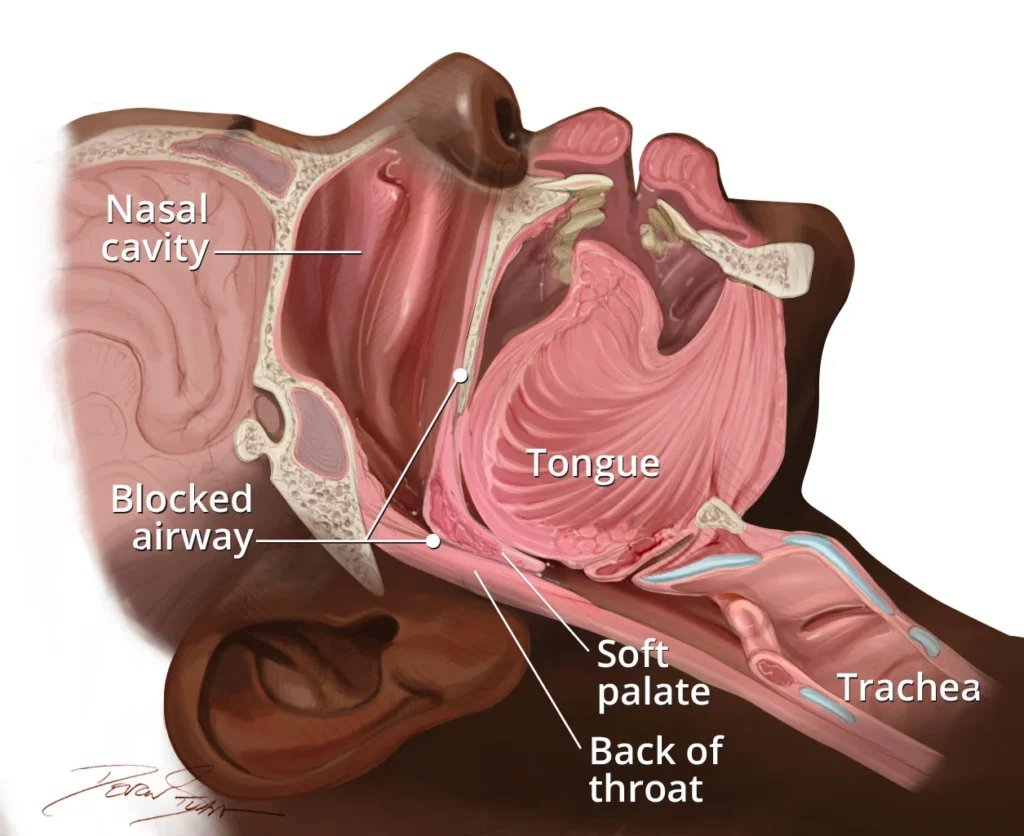
Snoring usually happens when airflow becomes turbulent and soft tissues vibrate during sleep. Congestion, alcohol, sleep position, and jaw or tongue position can all make that turbulence worse.
Sleep apnea is different. It involves repeated breathing interruptions or significant airflow reductions during sleep. Many people who snore do not have sleep apnea, but loud snoring can be a clue—especially when paired with symptoms.
If you want a general overview of breathing-focused, non-device approaches people discuss alongside apnea concerns, see this related coverage: 6 Natural Remedies for Sleep Apnea That Improve Your Breathing.
How to try at home: a no-drama plan for better sleep and less snoring
Think of this as a two-lane approach: reduce triggers that swell or dry the airway, and use tools that improve positioning.
Lane 1: Sleep-quality moves that make snoring less likely
Keep bedtime consistent. When your schedule swings (hello, daylight savings), sleep can get lighter and more fragmented. That can amplify snoring for some people.
Watch late alcohol and heavy meals. Both can increase airway relaxation or reflux, which may worsen snoring. You don’t need perfection—just notice patterns.
Make nasal breathing easier. A simple rinse, shower, or humidity tweak may help if dryness or congestion is a factor. If allergies are in the mix, consider discussing options with a clinician.
Side-sleep when you can. Back-sleeping often narrows the airway more. A body pillow or backpack-style “don’t roll over” hack can be enough for some people.
Lane 2: Where an anti snoring mouthpiece fits
An anti-snoring mouthpiece typically aims to improve airflow by influencing jaw or tongue position during sleep. The goal is less airway narrowing, less vibration, and fewer “chainsaw” moments.
When people give up on mouthpieces, it’s often not because the concept is flawed. It’s because the setup is rushed or the comfort details get ignored.
Tools and technique: ICI basics (Insert, Comfort, Improve)
Insert: Put the mouthpiece in the same way each night. Consistency helps you notice whether changes are working or if you’re just changing variables.
Comfort: Start with the least aggressive setting (if adjustable). Soreness can happen early on, but sharp pain, jaw locking, or tooth pain is a stop sign.
Improve: Make small adjustments and give them a few nights. Big jumps can irritate the jaw and make you quit before you learn what your body tolerates.
Positioning tips people miss
- Don’t chase “maximum forward.” More jaw advancement isn’t always better. Aim for “enough to reduce snoring” while staying comfortable.
- Check mouth breathing. If you wake with a dry mouth, airflow may still be messy. Nasal support and bedroom humidity can matter.
- Pair it with side-sleeping. A mouthpiece plus position change often beats either one alone.
Cleanup and care (the unglamorous part that keeps it usable)
Rinse in the morning, clean gently, and let it dry completely. Avoid harsh chemicals or very hot water unless the product instructions say it’s safe. A funky-smelling appliance is a fast track to “I’ll use it tomorrow,” which usually becomes never.
When to seek help (don’t power through these signs)
Snoring can be benign, but certain patterns deserve medical attention. Consider talking to a clinician or a sleep specialist if you notice:
- Gasping, choking, or witnessed breathing pauses during sleep
- Morning headaches, high daytime sleepiness, or dozing off unintentionally
- High blood pressure or heart risk factors plus loud snoring
- Snoring that suddenly worsens without an obvious reason
If you’re stuck in the “is it snoring or sleep apnea?” loop, a proper evaluation can replace guesswork with clear next steps.
FAQ: quick answers before you buy or try
Will a mouthpiece fix snoring caused by a cold?
It may not. Temporary congestion often needs temporary solutions like hydration, humidity, and time. A mouthpiece can still help some people, but nasal blockage can limit results.
Can I use a mouthpiece if I grind my teeth?
Sometimes, but it depends on the design and your bite. If you suspect significant grinding, consider a dental opinion so you don’t trade snoring relief for jaw pain.
What’s a realistic goal?
Many people aim for noticeably quieter snoring and fewer wake-ups. “Perfect silence forever” is a tough benchmark, especially during stress, travel, or schedule shifts.
CTA: choose a mouthpiece you’ll actually wear
If you’re comparing devices and want something focused on comfort, positioning, and everyday use, start here: anti snoring mouthpiece.
How do anti-snoring mouthpieces work?
Medical disclaimer: This article is for general education and does not replace medical advice. Snoring can be a sign of sleep apnea or other conditions. If you have breathing pauses, severe daytime sleepiness, chest pain, or worsening symptoms, seek evaluation from a qualified healthcare professional.