
It started on a red-eye flight. A stranger in 14B fell asleep fast, then the cabin filled with that familiar rumble. By baggage claim, two people were joking about “sleep divorce,” and one person swore a new gadget fixed everything.
That’s where we are right now. Sleep hacks are everywhere, burnout is real, and couples want quiet nights without turning the bedroom into a lab. If you’re trying to improve sleep quality, snoring is often the first problem to solve.
Why is everyone talking about snoring again?
Because the culture is tired. Travel fatigue, longer workdays, and constant screens make people desperate for quick wins. That’s why you’re seeing more chatter about wearables, nasal strips, and even mouth taping.
The issue is simple: snoring can wreck sleep for the snorer and the person next to them. Fragmented sleep shows up as irritability, brain fog, and that “I’m fine” feeling that isn’t fine.
One more important point is trending in health coverage: you can have sleep-disordered breathing even without obvious snoring. Snoring is a clue, not a diagnosis.
Is mouth taping a smart idea for better sleep?
Mouth taping is having a moment online. The pitch is “force nasal breathing, stop snoring.” The pushback from clinicians is also getting louder.
Why the concern? If your nose is congested, if you drink alcohol, or if you might have sleep apnea, restricting your ability to breathe comfortably is not a casual experiment. It can also create panic, poor sleep, and a false sense of safety.
If you want the general context behind the debate, see this related coverage: Some people tape their mouths shut at night. Doctors wish they wouldn’t.
What actually causes snoring in the first place?
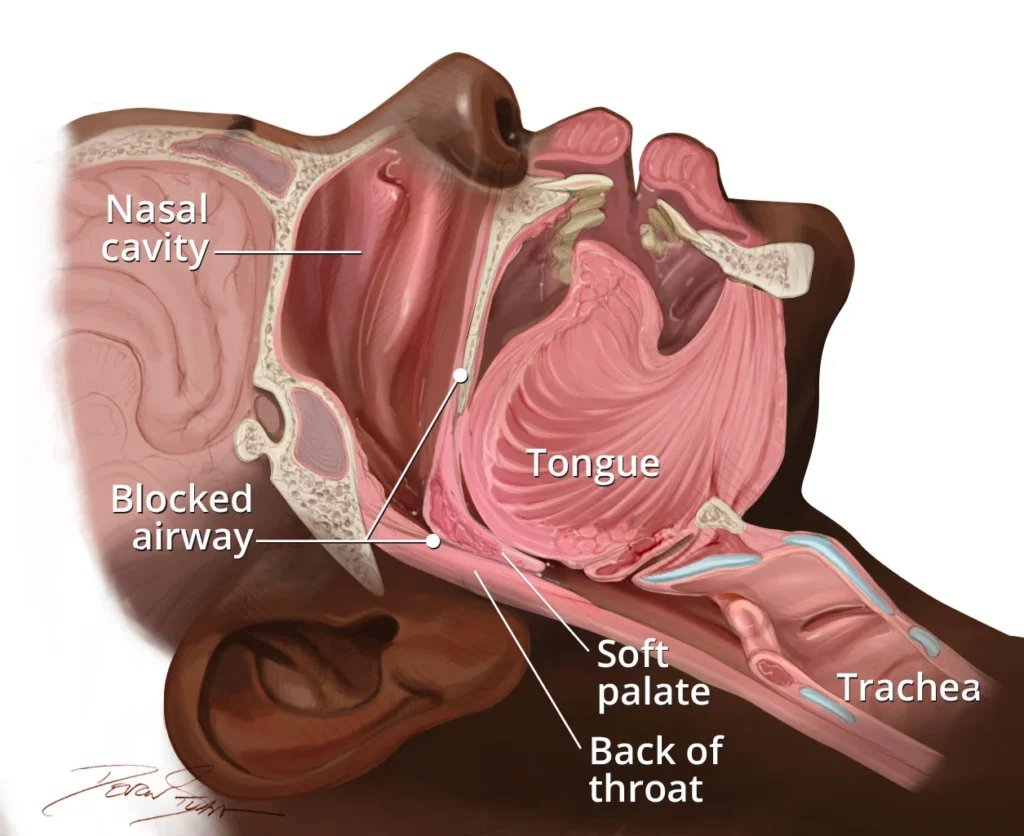
Snoring usually happens when airflow meets resistance and soft tissues vibrate. That resistance can come from multiple places. Nose congestion, relaxed throat muscles, sleep position, alcohol, and anatomy can all play a role.
That’s why one-size-fits-all “fixes” disappoint people. A solution that helps a nose-breather may do nothing for someone whose jaw drops back during sleep.
Where does an anti snoring mouthpiece fit in?
An anti snoring mouthpiece is designed to keep the airway more open by changing tongue or jaw position during sleep. The goal is less vibration, steadier airflow, and fewer wake-ups caused by noisy breathing.
It’s a practical option when snoring seems tied to mouth breathing or jaw position. It’s also popular because it’s low-tech and travel-friendly. No charging cable required.
If you’re comparing options, start here: anti snoring mouthpiece.
What you should notice if it’s helping
Look for quieter nights, fewer nudges from your partner, and more refreshed mornings. Another good sign is fewer micro-wake-ups, even if you don’t fully remember waking.
Keep expectations realistic. If you’re severely sleep-deprived, the first improvement may be “I didn’t wake up as much,” not “I feel like a new person.”
What’s a red flag
Jaw pain, tooth pain, new clicking, or headaches can mean the fit is wrong or the device isn’t a match for you. Don’t try to “tough it out” for weeks. Comfort matters because sleep consistency matters.
What about nasal dilators and other anti-snore devices?
Nasal dilators and strips aim to improve airflow through the nose. Some research reviews have looked at nasal dilators in sleep-disordered breathing, with mixed results depending on the person and the outcome measured.
In plain terms: if congestion or narrow nasal passages are a big part of your snoring, a nasal aid can be worth testing. If the issue is more about jaw position or tongue collapse, a mouthpiece may be the more direct tool.
How do you protect sleep quality while you troubleshoot snoring?
Don’t turn bedtime into a stressful performance. Pick one change at a time and track it for a week. The goal is fewer interruptions, not a perfect “sleep score.”
Also, keep the relationship angle light. Snoring jokes are common for a reason, but resentment builds when sleep is consistently broken. Treat it like a shared problem with a plan.
When is snoring more than “just snoring”?
Snoring can be a sign of obstructed breathing during sleep, but you can also have sleep apnea without snoring. If there are breathing pauses, choking or gasping, morning headaches, or heavy daytime sleepiness, get medical input.
If you’ve seen headlines about heart risk and “one mistake at night,” take the broader message seriously: sleep health affects long-term health. Don’t ignore persistent symptoms.
Common next step: try a mouthpiece, but stay smart
If you want a simple, non-gadgety approach, a mouthpiece is one of the most common next steps people try. It’s portable, relatively straightforward, and doesn’t rely on adhesives or complex routines.
Medical disclaimer: This article is for general education only and isn’t medical advice. Snoring can have many causes, including sleep apnea. If you have concerning symptoms, talk with a qualified clinician or a sleep specialist.
Ready to get clear on options?