
On the third night of a work trip, someone in the next hotel room starts snoring like a leaf blower. You laugh about it in the morning. Then your partner texts: “You were doing that last night.” Now it’s not funny. It’s awkward, and you’re both tired.
That’s the snoring moment a lot of adults hit lately. Between travel fatigue, wearable sleep scores, and the new wave of sleep coaching, people are treating sleep like a health project. The goal isn’t perfection. It’s quieter nights and better mornings.
Big picture: why snoring is suddenly everyone’s problem
Snoring used to be a punchline. Now it’s a quality-of-life issue. It affects mood, focus, workouts, and patience. It also turns bedtime into negotiation.
Add modern stress and burnout, and your sleep gets fragile. When sleep is already thin, even “just noise” can feel like sabotage. That’s why search interest has shifted toward practical tools, including an anti snoring mouthpiece.
Sleep advice is also louder than ever. Some people hire coaches to sort through routines, gadgets, and conflicting tips. If you want the cultural snapshot, this piece on ‘We cut through the online ocean of advice’: the rise of adult sleep coaching captures the vibe: people want someone to cut through the online noise.
The emotional side: pressure, blame, and the 2 a.m. argument
Snoring can make the snorer feel judged. The listener feels trapped between nudging, leaving the room, or losing sleep. Over time, it turns into resentment.
Try a reset conversation in daylight. Keep it simple: “I’m not mad. I’m tired. Let’s test a few options for two weeks and see what changes.” That removes the nightly drama.
Relationship rule that works
Talk about sleep like a shared resource. You’re not fixing a person. You’re improving a system.
Practical steps: what to try (and how to know it’s working)
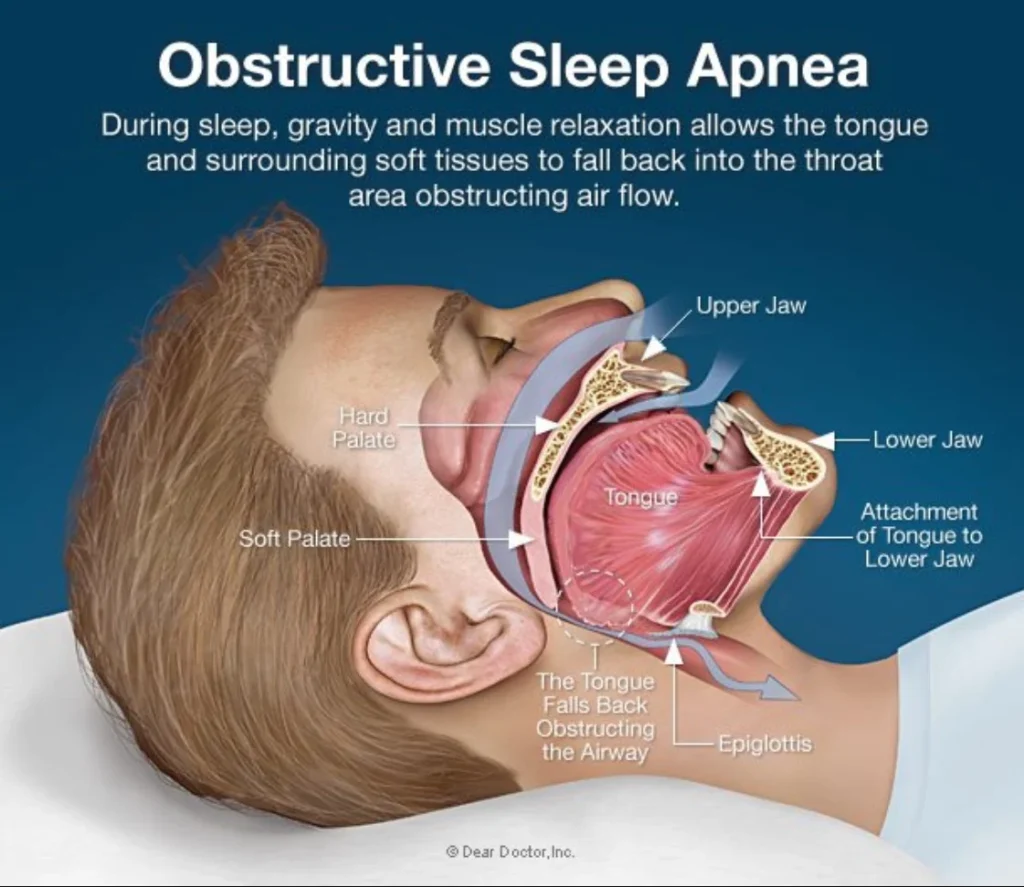
Think of snoring as airflow plus anatomy plus sleep depth. Your goal is to reduce the conditions that create vibration in the throat or mouth.
Step 1: Run a quick snore check
- Pattern: Every night, or mainly after alcohol, late meals, or travel?
- Position: Worse on your back?
- Daytime: Morning headaches, brain fog, or sleepiness?
If you have choking/gasping, high blood pressure concerns, or major daytime sleepiness, consider a medical evaluation for sleep apnea. Snoring can be harmless, but it can also be a clue.
Step 2: Clean up the “easy wins” first
- Side-sleeping support (pillow or positioning aid).
- Address nasal stuffiness (saline rinse, allergy management, humidification).
- Limit alcohol close to bedtime.
- Keep a consistent sleep window when possible, especially after travel.
Step 3: Where an anti snoring mouthpiece fits
Many anti-snoring mouthpieces are designed to gently move the lower jaw forward (mandibular advancement). That can help keep the airway more open for some people. Others focus on tongue positioning.
People like mouthpieces because they’re simple and portable. They also match the current “sleep gadget” trend: test, measure, adjust. Just don’t treat them like a toy. Fit and comfort matter.
If you’re comparing options, start here: anti snoring mouthpiece. Keep your expectations realistic. The best choice is the one you can wear consistently without pain.
Safety and testing: a 14-night trial that won’t wreck your jaw
Use a short trial window so you don’t drift into “we tried it… kind of” territory.
Night 1–3: Comfort first
- Follow fitting instructions exactly.
- Expect some drooling or mild soreness early on.
- Stop if you get sharp pain, tooth pain, or jaw locking.
Night 4–14: Track outcomes, not vibes
- Snore intensity: Ask your partner for a 1–10 rating or use a simple snore app.
- Sleep quality: Note awakenings, dry mouth, and morning energy.
- Jaw feel: Check for lingering soreness or bite changes.
If you use CPAP and still snore, don’t guess. Mask leaks, pressure settings, and congestion can all play a role. A sleep clinician can help you troubleshoot safely.
When to pause and get checked
- Snoring with gasping, choking, or witnessed breathing pauses.
- Persistent daytime sleepiness or morning headaches.
- Ongoing jaw pain, tooth pain, or bite changes with a mouthpiece.
Medical disclaimer: This article is for general education and does not replace medical or dental advice. Snoring can be a symptom of obstructive sleep apnea or other conditions. If symptoms are severe, persistent, or include breathing pauses, consult a qualified clinician.
FAQ: quick answers people want right now
Do mouthpieces work for everyone?
No. They tend to help more when snoring is related to jaw position, airway crowding, or back-sleeping. Results vary.
Will a mouthpiece fix burnout sleep?
It can reduce snoring noise, but stress, caffeine timing, and inconsistent schedules still matter. Pair tools with basics.
Is louder snoring always worse?
Not always, but loud frequent snoring plus symptoms like sleepiness can signal a bigger issue. Don’t ignore patterns.
CTA: make the next step easy
If snoring is turning bedtime into a debate, pick one tool and run a clean two-week test. A mouthpiece is often a practical place to start.