
Is your snoring “just annoying,” or is it hurting your sleep quality?
Are sleep gadgets and viral hacks helping… or just adding pressure at bedtime?
Could an anti snoring mouthpiece be the practical middle ground for you and your partner?
Let’s answer those with a simple decision guide. No drama. No miracle claims. Just the next best step based on what’s happening in your bedroom, your body, and your relationship.
Why snoring feels like a bigger deal lately
People are talking about sleep like it’s a performance metric. Wearables grade your night. Travel schedules wreck routines. Workplace burnout turns “tired” into a personality.
Then snoring shows up and adds friction. One person can’t breathe well. The other can’t sleep. Both wake up irritated and pretend it’s fine.
Snoring also gets more attention because it can overlap with obstructive sleep apnea (OSA). Recent health coverage has highlighted OSA as more than a nuisance, with broader health conversations that include brain and heart health. Keep it simple: if symptoms suggest OSA, don’t self-manage in the dark.
Decision guide: If…then… what to do next
Use these branches to pick a direction. You can revisit and switch paths after a week or two of honest tracking.
If the snoring is new or suddenly louder, then zoom out first
New snoring often rides along with a change: weight shift, alcohol, nasal congestion, stress, or travel fatigue. If you’ve been red-eye hopping or working late, your sleep may be lighter and your airway more reactive.
Try a short reset before you buy another gadget. Think: consistent bedtime, side-sleeping, and addressing stuffiness. If the snoring stays loud and frequent, move to the next branch.
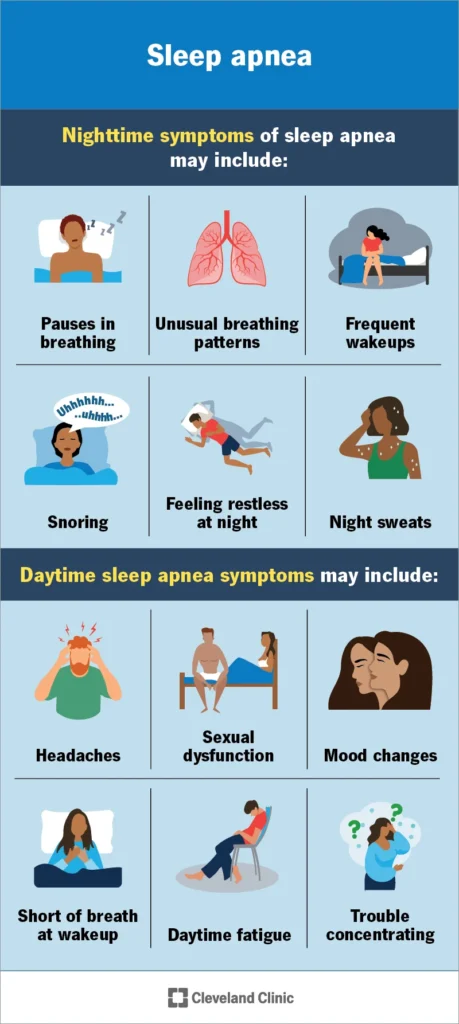
If you hear choking, gasping, or pauses, then treat it as a medical conversation
Those patterns can be associated with OSA. That’s where the “it’s not just noise” message comes in, including concerns discussed in mainstream medical articles about sleep apnea and overall health.
Make a plan to ask a clinician targeted questions about evaluation and treatment options. If you want a current overview, you can scan this related coverage: Preventing Alzheimer’s disease and dementia by treating obstructive sleep apnea.
If the main issue is “I snore, my partner’s furious,” then pick a relationship-first fix
This is common: one person feels blamed, the other feels ignored. The fastest win is to treat snoring as a shared problem, not a character flaw.
Agree on a two-week experiment. Track outcomes that matter to both of you: fewer wake-ups, less resentment at 2 a.m., and better mornings. That’s your scorecard, not the app’s sleep grade.
If you mostly snore on your back, then consider a mouthpiece as a targeted tool
Many snorers get louder when back-sleeping relaxes the jaw and soft tissues. A mouthpiece can help some people by positioning the jaw or tongue in a way that supports airflow.
That’s where an anti snoring mouthpiece can fit: not as a cure-all, but as a practical option when the pattern points to airway narrowing during sleep.
If you wake up tired even after “enough hours,” then don’t ignore sleep quality
Sleep quality isn’t just time in bed. Fragmented sleep can leave you foggy, short-tempered, and craving caffeine by mid-morning.
If snoring is paired with daytime sleepiness, morning headaches, or blood pressure concerns, treat it as more than a relationship joke. It’s worth screening for sleep apnea.
If you want a simple, non-tech option, then look at mouthpiece combos
Some people are over the charging cables and subscription apps. They want something low-effort that doesn’t light up, beep, or demand a firmware update.
If that’s you, consider a product designed for snoring support, such as an anti snoring mouthpiece. It’s a straightforward approach that many couples prefer because it keeps bedtime calmer.
Quick reality checks before you commit
Comfort matters more than “maximum adjustment”
A mouthpiece you hate won’t get used. Aim for consistent, tolerable use rather than chasing an aggressive setup that ends in a drawer.
Communication beats silent suffering
If your partner is losing sleep, make a plan together. Even a basic agreement—“We’ll test this for 14 nights and review”—can lower the tension.
Red flags deserve medical backup
Loud nightly snoring plus breathing pauses, gasping, or significant daytime sleepiness should trigger a clinician conversation. A mouthpiece may still be part of the solution, but it shouldn’t be your only step.
FAQs (fast answers)
Is snoring always a sign of sleep apnea?
No. But certain patterns raise suspicion, especially pauses in breathing and excessive daytime sleepiness.
Can an anti snoring mouthpiece help with sleep quality?
For some people, yes. Better airflow can reduce awakenings and improve how rested you feel.
Who should avoid using a mouthpiece without medical guidance?
Anyone with suspected OSA symptoms, significant dental issues, or jaw pain should get advice first.
What are signs I should ask my doctor about OSA?
Pauses in breathing, gasping, morning headaches, persistent fatigue, and loud frequent snoring are common reasons.
CTA: Pick the next step (and make it easier on your relationship)
You don’t need a bedtime “hack.” You need a plan you’ll actually follow when you’re tired, stressed, and traveling, or when work is bleeding into your nights.
How do anti-snoring mouthpieces work?
Medical disclaimer: This article is for general education and does not provide medical advice, diagnosis, or treatment. If you suspect obstructive sleep apnea or have significant symptoms (gasping, breathing pauses, severe daytime sleepiness), seek evaluation from a qualified healthcare professional.