
Is your snoring messing with your sleep quality? Are you tempted by the latest sleep gadgets, but don’t want to waste money? And could an anti snoring mouthpiece be a practical, at-home step before you go down a bigger rabbit hole?
Yes—snoring can chip away at sleep for you and anyone within earshot. No—you don’t have to buy every trending “sleep hack” to make progress. And for many people, an anti snoring mouthpiece is a budget-friendly place to start, as long as you watch for red flags.
Overview: Why snoring is such a big deal right now
Snoring has become part health topic, part relationship comedy, and part workplace-burnout conversation. People are traveling more, sleeping in unfamiliar beds, and waking up feeling like they ran a marathon. That’s when snoring gets louder, patience gets shorter, and everyone starts searching for quick fixes.
At the same time, mainstream coverage keeps pointing back to sleep apnea awareness—symptoms, causes, and why it matters. Local news stories about clinicians recognized for sleep apnea work also add to the buzz. If you want a general reference point, here’s a recent headline you can browse: Paducah physician recognized for excellence in obstructive sleep apnea surgery.
Bottom line: snoring isn’t just “noise.” It can be a sleep-quality problem. Sometimes it’s also a health flag.
Timing: When to try a mouthpiece vs. when to pause
Good time to try an at-home mouthpiece approach:
- Your snoring is frequent, but you don’t have major warning signs.
- You suspect back-sleeping or jaw/tongue position makes it worse.
- You want a practical, lower-cost step before scheduling bigger interventions.
Pause and talk to a clinician soon if you notice:
- Gasping, choking, or witnessed breathing pauses.
- Morning headaches, high daytime sleepiness, or concentration problems.
- High blood pressure or heart risks alongside loud snoring.
A mouthpiece can help snoring in many cases, but it’s not a substitute for diagnosing obstructive sleep apnea.
Supplies: What you need (and what you can skip)
You don’t need a drawer full of gadgets. Start simple.
Core items
- Anti-snoring mouthpiece (the main tool)
- Mirror and good lighting (for fit checks)
- Mild soap or a cleaner recommended by the manufacturer
- Storage case (to keep it clean and avoid damage)
Optional add-ons (only if they match your situation)
- Chin strap if your mouth falls open and you wake up dry
- Nasal support (like strips) if congestion is a major factor
If you’re comparing options, here’s a relevant product-style example: anti snoring mouthpiece. The point is the pairing—jaw support plus mouth-closure support can be practical for some sleepers.
Step-by-step (ICI): Identify → Choose → Implement
This is the at-home, budget-minded workflow. It keeps you from buying three things at once and guessing.
1) Identify your likely snoring pattern
Use a quick, low-effort check for 3–5 nights:
- Position: Is it worse on your back?
- Nasal vs. mouth: Do you wake with dry mouth or drool?
- Timing: Is it worse after alcohol, big meals, or travel days?
Travel fatigue and burnout-style schedules matter here. When your routine breaks, sleep gets lighter and snoring often gets louder.
2) Choose a mouthpiece style that matches the pattern
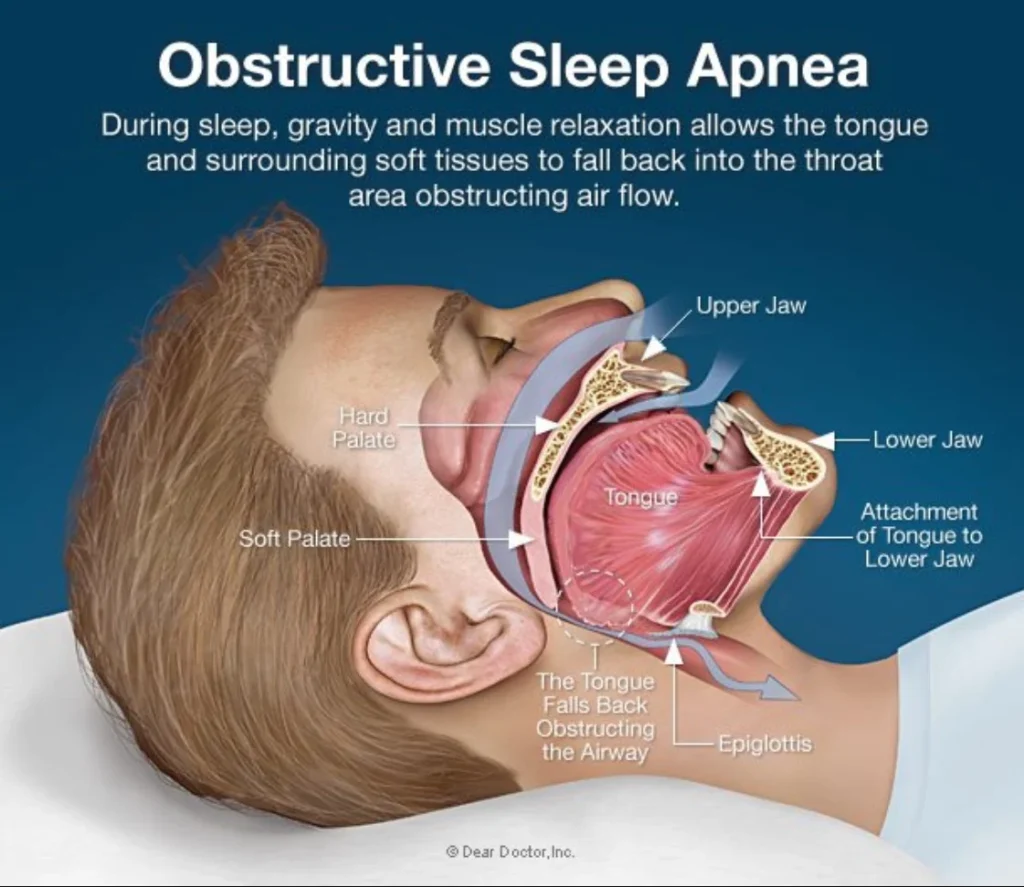
Many anti-snoring mouthpieces aim to reduce vibration by changing airway geometry. In plain terms, they help keep the jaw and/or tongue from sliding into a position that narrows airflow.
- Jaw-positioning designs can help when the lower jaw relaxes backward.
- Tongue-supporting designs can help when tongue position is the main issue.
If you have jaw pain, dental issues, or a history of TMJ problems, get professional guidance before committing.
3) Implement the fit and ramp up gradually
Comfort is everything. If you hate it on night one, you won’t use it.
- Night 1–2: Wear it for short periods before sleep to get used to the feel.
- First week: Aim for consistent use and small adjustments, not perfection.
- After 7–14 nights: Judge results by snoring reduction and how you feel in the morning.
Track two things: (1) partner feedback or a basic snore recording, and (2) daytime energy. Quiet is great. Restful is the goal.
Mistakes that waste a cycle (and money)
Buying based on hype instead of your pattern
Sleep trends move fast—mouth taping debates, new nasal gadgets, and “biohacking” routines. If your issue is jaw position, a nasal-only approach may disappoint.
Over-tightening or forcing an aggressive position
More isn’t better. Too much change can trigger jaw soreness, tooth discomfort, or headaches. Small adjustments win.
Ignoring nasal congestion and expecting the mouthpiece to do everything
If you can’t breathe through your nose, you’ll fight the device. Address congestion basics (like humidity and allergens) and consider nasal support when appropriate.
Missing the “this could be sleep apnea” signs
Snoring plus breathing pauses and heavy daytime sleepiness is not a DIY-only situation. A mouthpiece may reduce noise while a bigger issue stays untreated.
FAQ: Quick answers people want before bed tonight
Will a mouthpiece stop snoring completely?
Sometimes, but not always. Many people see meaningful reduction, especially if the snoring is position-related.
What if my partner says it’s better but I still feel tired?
That’s a clue to look beyond noise. Sleep fragmentation, stress, or sleep apnea can still be in play.
Can I use a mouthpiece if I grind my teeth?
It depends on the design and your bite. If you suspect bruxism, ask a dentist which options are safest.
CTA: A practical next step
If you want a straightforward, budget-friendly way to test whether jaw support helps your snoring, start with a mouthpiece approach and keep the plan simple. Consistency beats gadget stacking.
How do anti-snoring mouthpieces work?
Medical disclaimer: This article is for general education only and isn’t medical advice. Snoring can be a sign of obstructive sleep apnea or other conditions. If you have breathing pauses, chest pain, severe daytime sleepiness, or concerns about your health, seek evaluation from a qualified clinician.