
Myth: Snoring is just an annoying sound.
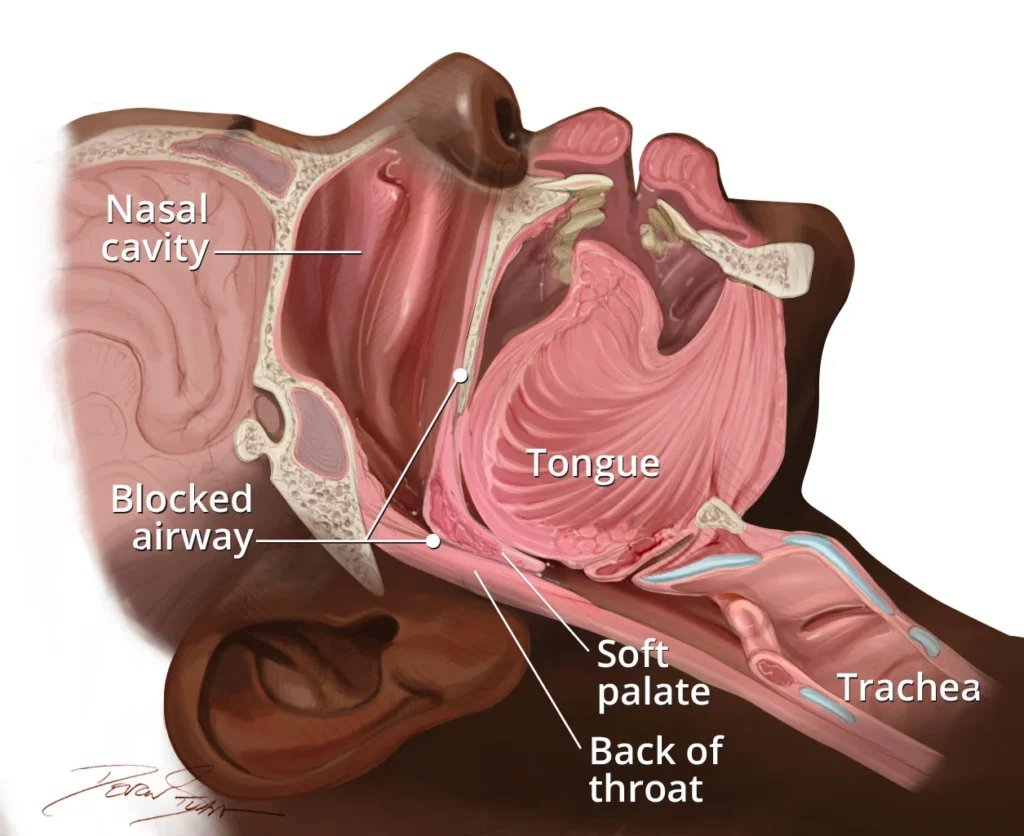
Reality: Snoring can be a simple airflow issue—or a signal that your sleep quality is taking a hit. And in some cases, it can overlap with sleep apnea concerns that deserve attention.
Right now, sleep is having a moment. People are buying sleep trackers, testing “recovery” scores, and swapping travel hacks to fight jet lag. Meanwhile, workplace burnout is pushing more of us to treat bedtime like a health appointment. If snoring is part of your story, an anti snoring mouthpiece is one of the most talked-about tools because it’s simple, portable, and doesn’t require a full bedside setup.
The 60-second snoring reality check (before you buy anything)
Snoring happens when airflow meets relaxed tissues and vibration starts. That can be influenced by sleep position, alcohol, nasal congestion, and jaw/tongue placement.
Also, not all snoring is “just snoring.” If you’re worried about breathing pauses or severe daytime sleepiness, read up on Best Anti-Snoring Mouthpieces and Mouthguards of 2026 and consider a medical evaluation.
If…then…: pick your best next step (decision guide)
If your snoring is worse on your back, then focus on positioning + jaw support
Back sleeping often lets the jaw drop and the tongue fall back. That narrows the airway. Try side-sleeping support plus a mouthpiece approach designed to keep the jaw from drifting.
Technique tip: Aim for “stable and gentle,” not “cranked forward.” Comfort matters because consistency beats intensity.
If your partner says the snoring is loud, then prioritize a fit you’ll actually wear
Relationship humor aside, the real win is two people sleeping. Choose a design that feels secure without sharp edges or bulky pressure points. A mouthpiece that lives in the drawer won’t help anyone.
Quick comfort check: You should be able to close your lips comfortably and breathe without feeling like you’re fighting the device.
If you wake up with a dry mouth, then look at mouth-breathing and seal
Dry mouth often tracks with mouth-breathing. Some people do better with a combination approach that encourages a closed-mouth posture at night.
That’s why combo solutions are trending in sleep-gear conversations: they’re simple, travel-friendly, and don’t rely on apps or charging cables.
Consider a anti snoring mouthpiece if you suspect your jaw drops open during sleep.
If you feel “wired but tired,” then treat snoring as a sleep-quality problem, not a noise problem
Burnout culture has made one thing clear: you can’t out-caffeine bad sleep. If snoring fragments sleep (yours or your partner’s), you may notice foggy mornings, irritability, or low motivation.
Plan: Pair a mouthpiece trial with basics that improve sleep depth—consistent bedtime, less alcohol near bedtime, and a cooler/darker room.
If you have jaw pain, dental issues, or bite changes, then slow down and get guidance
An anti-snoring mouthpiece should not create sharp pain. Mild adjustment discomfort can happen, but persistent jaw soreness, tooth pain, or bite changes are signs to pause and ask a dentist or sleep clinician for advice.
If you notice choking/gasping, breathing pauses, or heavy daytime sleepiness, then don’t self-treat
Mouthpieces can be helpful for some people, but possible sleep apnea needs proper screening. Snoring plus cardiovascular risk factors is another reason to take it seriously.
Tool + technique basics people skip (and regret)
ICI basics: fit, comfort, and consistency
Fit: A secure fit reduces slipping and nighttime wake-ups.
Comfort: Rough edges, bulky shapes, or excessive forward positioning can backfire.
Consistency: Give it a real trial. A few nights isn’t always enough to judge.
Positioning: small changes beat big forced adjustments
The goal is improved airflow with minimal strain. Think “nudging the jaw forward” rather than “locking it in place.” If you wake up clenching or sore, the setup may be too aggressive.
Cleanup: keep it simple, keep it daily
Rinse after use. Clean gently with mild soap and a soft brush. Let it dry fully. Avoid hot water and harsh chemicals that can warp materials or leave residue.
FAQ: quick answers before you commit
Will a mouthpiece stop snoring immediately?
Sometimes you’ll notice a difference fast, but many people need a short adjustment period. Comfort and fit usually determine success.
What if my snoring is mostly from congestion?
A mouthpiece may help less if nasal blockage is the main driver. Addressing nasal breathing can still matter for overall sleep quality.
Can I use a mouthpiece when traveling?
Yes, portability is a big reason people choose them—especially for hotel stays, red-eye flights, and time-zone whiplash.
CTA: choose your next step
If you want a straightforward, travel-friendly approach to quieter nights and better rest, start with a mouthpiece plan you can stick with.
How do anti-snoring mouthpieces work?
Medical disclaimer: This article is for general education and does not provide medical advice, diagnosis, or treatment. If you suspect sleep apnea or have severe symptoms (breathing pauses, choking/gasping, significant daytime sleepiness, or heart-related concerns), seek evaluation from a qualified healthcare professional.