
On a red-eye flight, Jordan dozed off for ten minutes at a time. Each time, the snore started. The stranger in the next seat shifted. The group chat later had jokes. The next morning, Jordan felt wrecked and a little embarrassed.
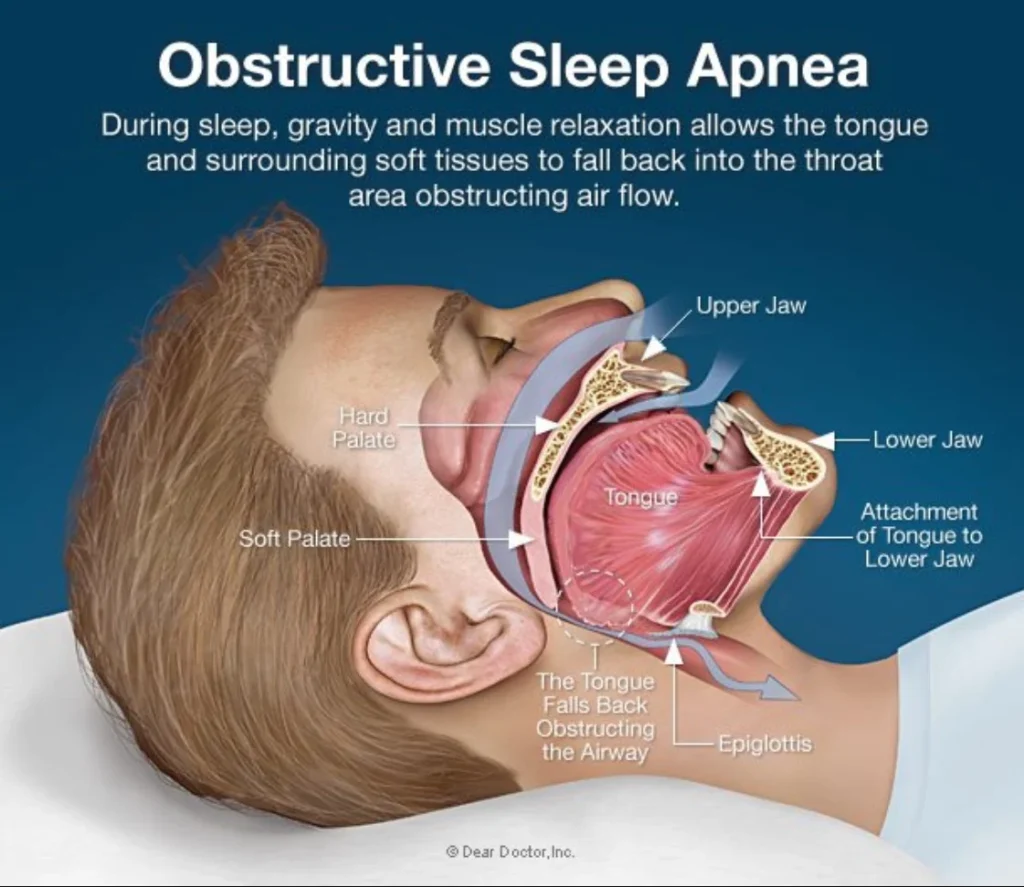
That’s the moment a lot of people hit: snoring stops being “funny” and starts feeling like a sleep-quality problem. And lately, snoring fixes are everywhere—sleep gadgets, viral hacks, relationship banter, and burnout-driven “I just need to sleep” desperation.
The big picture: why snoring is suddenly everyone’s problem
Snoring sits at the intersection of health trends and real-life friction. People travel more, work later, and scroll longer. Add stress and inconsistent sleep schedules, and the night gets noisier.
Snoring also affects two people at once. One person loses air flow. The other loses patience. That’s why quick fixes get attention, even when they’re not the safest choice.
For a current snapshot of the debate around trendy approaches, see this coverage on Taping your mouth shut to stop snoring is a thing — but is it safe? Experts weigh in.
The emotional part nobody admits: sleep loss changes your life
Snoring is often framed as a “quirk.” In reality, it can trigger resentment, separate bedrooms, and anxious bedtime routines. People start negotiating sleep like a custody schedule.
Workplace burnout makes it worse. When you’re already drained, a broken night feels personal. That’s why couples try anything—from new pillows to “smart” wearables—hoping for a fast win.
Practical steps: what to try before you buy anything
1) Tighten the pre-sleep runway
If your evenings are packed with work, messages, and late tasks, your sleep gets lighter. That can make snoring more noticeable and more disruptive. Create a buffer window before bed and protect it like a meeting.
2) Reduce the obvious triggers
Keep it simple. Alcohol close to bedtime, heavy late meals, and sleeping flat on your back can worsen snoring for many people. You don’t need perfection. You need patterns you can repeat.
3) Decide what problem you’re solving
Snoring can come from different sources. Nasal congestion, mouth breathing, and jaw position can all play a role. Your solution should match the likely driver, not the trend of the week.
Where an anti snoring mouthpiece fits (and why it’s popular)
An anti snoring mouthpiece is popular because it targets mechanics, not vibes. Many designs aim to keep the airway more open by supporting jaw or tongue position during sleep.
People like mouthpieces because they’re portable. They’re also “relationship friendly” compared with louder devices. If travel fatigue triggers your snoring, a packable option can be easier than rebuilding your whole sleep setup on the road.
If you’re exploring combined approaches, look at an anti snoring mouthpiece. A combo can make sense for people who suspect mouth opening is part of the issue.
Safety and screening: don’t turn a snoring problem into a health problem
Know the red flags first
Some snoring is “just snoring.” Some snoring can be a sign of a bigger breathing issue during sleep. If you notice choking or gasping, witnessed pauses in breathing, severe daytime sleepiness, or morning headaches, prioritize a sleep apnea screen.
Avoid risky DIY hacks
Viral fixes can skip the safety step. If a method restricts your breathing or you can’t quickly reverse it, treat it as a no-go without medical guidance. Nasal blockage, allergies, and reflux can change the risk profile fast.
Test like an adult: document, don’t guess
Pick a two-week window. Track bedtime, wake time, and how you feel in the morning. Add partner feedback if available. If you use a snoring app, keep the same settings so your comparisons mean something.
Also document side effects. Jaw soreness, tooth pain, gum irritation, or bite changes are not “normal to push through.” Stop and reassess if they show up.
Infection and hygiene basics
Anything that sits in your mouth needs consistent cleaning and dry storage. Don’t share devices. Replace them if they crack, warp, or develop persistent odor. Those are simple steps that reduce avoidable health and legal risks.
Medical disclaimer: This article is for general education and does not diagnose, treat, or replace medical advice. If you suspect sleep apnea or have significant symptoms, talk with a licensed clinician or a sleep specialist.
FAQ: quick answers people want right now
Can an anti snoring mouthpiece improve sleep quality?
Often yes, when it reduces snoring-related arousals. Results vary by anatomy, fit, and consistency.
Is mouth taping a safe snoring fix?
It’s trending, but it’s not automatically safe. Breathing issues, congestion, and underlying sleep disorders can change the risk.
How do I know if I should get checked for sleep apnea?
If you have loud snoring plus gasping, breathing pauses, or major daytime fatigue, get screened before self-treating.
What should I track while testing a mouthpiece?
Snoring intensity, sleep length, morning symptoms, comfort, and any jaw or tooth issues. Keep notes nightly.
CTA: get a clear next step
If snoring is hurting your sleep or your relationship, don’t rely on guesswork. Choose one approach, test it, and document results.