
Is snoring getting louder lately?
Are sleep “gadgets” and quick hacks starting to feel like a second job?
Could an anti snoring mouthpiece actually help your sleep quality without adding risk?
Yes, snoring has become a trending topic again. Travel fatigue, workplace burnout, and the push to “optimize” everything have people testing new sleep routines. Some ideas are harmless. Others need more caution. This article breaks down what people are talking about, what matters medically, and how to try safer steps at home.
What people are trying right now (and why)
Snoring talk is everywhere because sleep is now part wellness trend, part relationship comedy, and part survival strategy. A partner’s snore can turn a shared bed into a nightly negotiation. Add jet lag, late-night scrolling, and stress, and snoring can spike.
Recent chatter has included mouth taping, wearable trackers, and “sleep stacks.” The common theme is speed: people want a fast fix. The problem is that fast fixes can ignore safety and screening.
If you want to read more about the mouth-taping discussion from a mainstream source, here’s a relevant reference: Taping your mouth shut to stop snoring is a thing — but is it safe? Experts weigh in.
What matters medically (snoring vs. a bigger sleep issue)
Snoring happens when airflow gets noisy as tissues in your throat relax during sleep. It can be “simple” snoring, or it can be a sign of obstructed breathing that needs evaluation.
Snoring that’s annoying vs. snoring that’s a warning
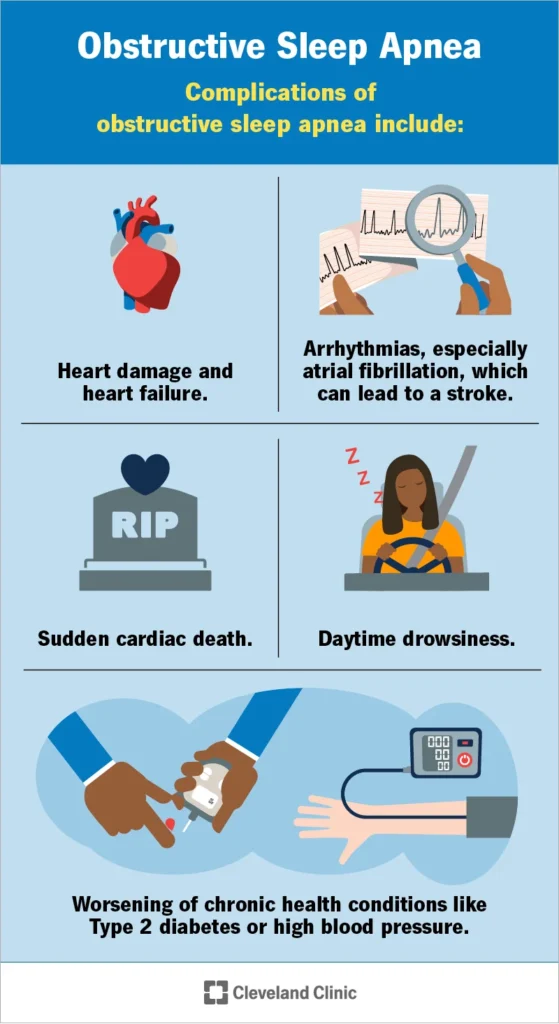
Snoring that changes with position, alcohol, congestion, or exhaustion often points to airway narrowing that varies night to night. That’s common. Still, it’s smart to screen for red flags, because snoring can overlap with sleep apnea symptoms.
- Pauses in breathing, choking, or gasping
- Severe daytime sleepiness or “microsleeps”
- Morning headaches or dry mouth most days
- High blood pressure or heart risk factors
- Snoring that persists despite basic changes
If any of these sound familiar, treat it as a health conversation, not only a noise problem. An at-home sleep test or a clinic-based study may be appropriate, depending on your situation.
Where an anti snoring mouthpiece fits
An anti snoring mouthpiece is usually designed to keep your lower jaw and tongue from sliding backward. That can reduce vibration and improve airflow for some people. These devices are often called mandibular advancement devices (MADs).
They’re not a match for every cause of snoring. If nasal blockage is the main driver, you may get limited benefit. If sleep apnea is present, a mouthpiece might help in some cases, but you should confirm the diagnosis and severity first.
How to try safer steps at home (without getting reckless)
Think of this as a “low-risk ladder.” Start with steps that are easy to reverse and easy to document.
Step 1: Do a quick personal safety check
Before you add anything that changes breathing or jaw position, note your baseline for 7 nights:
- Bedtime and wake time
- Alcohol within 3–4 hours of bed (yes/no)
- Nasal congestion (none/mild/severe)
- Snoring report (partner rating 1–10 or app estimate)
- Morning energy (low/medium/high)
This protects you in two ways. It helps you spot patterns. It also creates a simple record if you later talk to a clinician or dentist.
Step 2: Reduce the “snore amplifiers”
Small changes can matter, especially during busy seasons like travel weeks or deadline crunch.
- Side-sleeping: Many people snore more on their back.
- Alcohol timing: Alcohol can relax airway muscles and worsen snoring.
- Nasal support: Saline rinse, humidification, or nasal strips may help if your nose is the bottleneck.
- Wind-down routine: Burnout often shows up as late-night stimulation. A calmer pre-bed routine can reduce fragmented sleep.
Step 3: Consider a mouthpiece approach (and keep it clean)
If you suspect your snoring is coming from jaw/tongue relaxation, a mouthpiece can be a reasonable next step. Focus on fit, comfort, and hygiene.
- Comfort first: A device that hurts won’t be used consistently.
- Jaw awareness: Stop if you develop sharp jaw pain, tooth pain, or bite changes that don’t settle.
- Cleaning routine: Rinse after use, clean daily, and let it fully dry. Replace as recommended by the manufacturer.
If you’re comparing options, here’s a combined option some shoppers look for: anti snoring mouthpiece.
A note on mouth taping
Mouth taping is popular because it feels simple. Yet “simple” isn’t the same as “safe for everyone.” If you have nasal blockage, panic sensations, reflux, heavy alcohol use, or any sleep apnea red flags, don’t treat mouth taping as a casual experiment. When in doubt, ask a clinician.
When it’s time to get help (and what to bring)
Seek medical guidance if snoring comes with breathing pauses, gasping, significant daytime sleepiness, or cardiovascular risk factors. Also get help if your partner notices worsening patterns, even if you feel “fine.”
What to document to reduce confusion (and risk)
Bring a short list to appointments. Keep it simple:
- Your 7-night baseline notes
- Any audio recordings (optional, but helpful)
- What you tried (nasal strips, position changes, mouthpiece)
- Any side effects (jaw pain, dry mouth, anxiety)
This makes the visit more productive. It also reduces the chance you’ll bounce between random fixes.
FAQ
Do anti-snoring mouthpieces work for everyone?
No. They tend to help when snoring comes from the jaw and tongue relaxing backward. They may not help if congestion or a medical sleep-breathing disorder is driving the noise.
Is mouth taping a safe snoring fix?
It depends on the person and the situation. If you have nasal blockage, reflux, anxiety, or possible sleep apnea symptoms, taping can be risky. Ask a clinician if you’re unsure.
How long does it take to adjust to a mouthpiece?
Many people need several nights to a couple of weeks to adapt. Mild jaw or tooth soreness can happen early on, but persistent pain is a reason to stop and reassess.
What are signs my snoring could be sleep apnea?
Common red flags include loud snoring with pauses, gasping or choking, morning headaches, daytime sleepiness, and high blood pressure. A sleep evaluation can clarify what’s going on.
Can I use an anti-snoring mouthpiece if I have dental work or TMJ?
Maybe, but you should be cautious. Crowns, implants, braces, loose teeth, or TMJ symptoms can affect fit and comfort. A dental professional can help you choose safely.
Next step: pick a safer path you’ll actually stick with
Snoring solutions should improve sleep, not add new problems. Start with low-risk changes, screen for red flags, and choose tools you can use consistently. If you want to explore options and learn the basics first, start here:
How do anti-snoring mouthpieces work?
Medical disclaimer: This article is for general education and is not medical advice. Snoring can be a sign of sleep apnea or other health conditions. If you have choking/gasping, breathing pauses, chest pain, severe daytime sleepiness, or worsening symptoms, seek evaluation from a qualified clinician.