
Myth: If you buy enough sleep gadgets, your snoring will sort itself out.
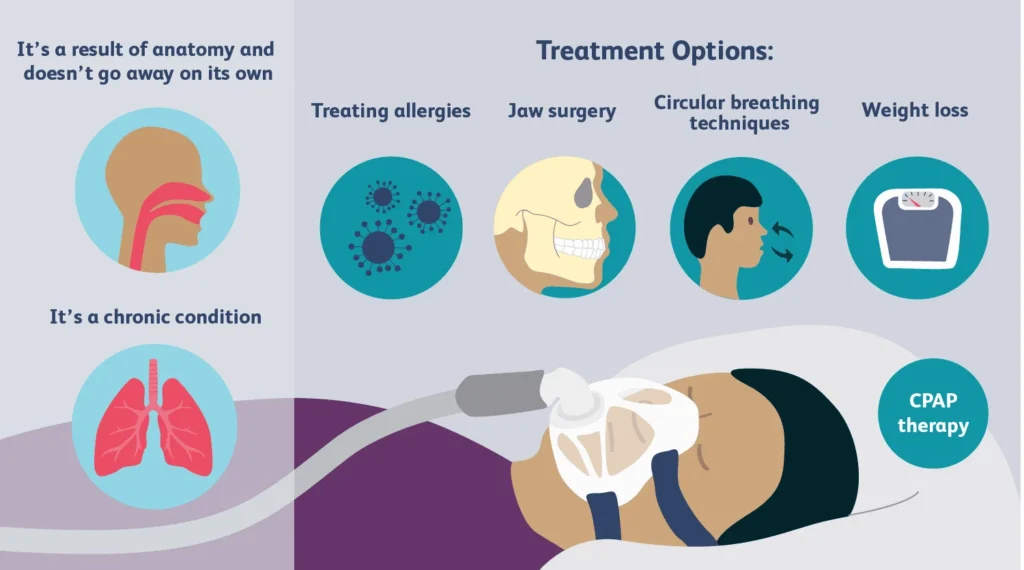
Reality: “Sleepmaxxing” can turn bedtime into a project. Meanwhile, the snore keeps happening. If your goal is better sleep quality, you need a simple decision path, not another dashboard.
What people are talking about right now (and why it matters)
Sleep tracking and optimization are everywhere. So are viral hacks like mouth taping, plus a growing market for adult sleep coaching. Add travel fatigue, packed calendars, and workplace burnout, and it’s no surprise couples are joking (and arguing) about who “sounds like a leaf blower” at 2 a.m.
Snoring sits in the middle of all of this. It’s loud, it’s social, and it often signals that sleep quality is taking a hit for at least one person in the room.
If you want a quick snapshot of the broader tracking trend, see this source: Saline Succeeds for Children With Sleep-Disordered Breathing.
Snoring decision guide: If…then… pick your next step
Use this like a flowchart. Don’t overthink it. Choose the branch that fits your nights.
If you have red flags… then don’t self-experiment
If you snore loudly and also have choking/gasping, witnessed breathing pauses, high daytime sleepiness, or morning headaches, then prioritize a medical evaluation for sleep apnea.
Sleep apnea is common and treatable, but it’s not a DIY situation. A mouthpiece for simple snoring is different from a clinician-fitted oral appliance for apnea.
If your snoring is worse with back-sleeping… then consider jaw/tongue support
If your partner says you’re quieter on your side and louder on your back, then your airway may be more collapsible in that position. That’s a common pattern.
In that case, an anti snoring mouthpiece may help by encouraging a more forward jaw or tongue posture, which can reduce vibration for some people.
If you wake with a dry mouth… then address mouth-breathing carefully
If you wake up with a dry mouth or sore throat, then you may be sleeping with your mouth open. That can amplify snoring noise.
Some people jump to mouth taping because it’s trending. Be cautious, especially if your nose gets blocked at night. A safer first step is to focus on nasal comfort and airflow. In children, clinicians sometimes discuss simple measures like saline for certain breathing issues, but kids need pediatric guidance.
If congestion is the main issue… then try nasal strategies before gadgets
If snoring spikes during colds, allergies, or dry hotel rooms, then nasal congestion may be driving the problem. Try practical basics: hydration, allergy management you’ve already been advised to use, and a bedroom setup that doesn’t dry you out.
Nasal dilators are also widely discussed, and research reviews suggest they can help some people with sleep-disordered breathing. They aren’t a cure-all. They mainly target nasal resistance, not throat vibration.
If you’re “fine” but your partner isn’t… then pick the least complicated fix
If you feel okay but your partner is exhausted, then treat snoring like a shared sleep problem. The quickest wins are the ones you’ll actually stick with.
That often means one targeted tool, a short trial window, and a clear success metric (volume, frequency, partner wake-ups). Not five apps, three wearables, and a nightly spreadsheet.
Where an anti-snoring mouthpiece fits (and how to shop smarter)
An anti-snoring mouthpiece is usually considered when snoring seems positional, jaw-related, or tied to mouth-opening. It’s also popular because it’s portable. That matters if travel fatigue is part of your week and your sleep setup changes often.
What to look for in a mouthpiece plan
- Comfort first: A device you can’t tolerate won’t help sleep quality.
- Jaw-friendly approach: Stop if you get sharp pain, tooth pain, or bite changes.
- Simple trial: Commit to a short, consistent test period rather than night-to-night guessing.
- Partner feedback: Snoring is an “outside the body” symptom. Your bed partner’s report matters.
One option people search for: mouthpiece + chinstrap combo
If mouth-opening is part of your pattern, some shoppers look for a combined approach. Here’s an example product page to compare features and sizing: anti snoring mouthpiece.
How to run a 10-night “sleep quality” test (without sleepmaxxing)
Keep it boring. Boring is good. Boring means you’ll learn something.
- Nights 1–3: Get used to the device. Track comfort and whether you remove it.
- Nights 4–7: Keep bedtime and alcohol/caffeine consistent. Ask your partner for a 1–10 snore score.
- Nights 8–10: Decide. If it’s not meaningfully better, don’t force it. Switch strategies or get assessed.
If you use a tracker, use it lightly. One or two metrics are enough. Chasing perfect scores can backfire and keep you alert.
Medical disclaimer (read this)
This article is for general education and is not medical advice. Snoring can be a symptom of obstructive sleep apnea or other conditions. If you have severe daytime sleepiness, witnessed breathing pauses, choking/gasping, chest pain, or concerns about a child’s breathing during sleep, talk with a qualified clinician for diagnosis and treatment options.
FAQs
Do anti-snoring mouthpieces work for everyone?
No. They tend to help some people with simple snoring, but they may not be appropriate for suspected sleep apnea or certain jaw issues.
Is mouth taping a safe snoring fix?
It depends. If you have nasal blockage, breathing issues, or anxiety about airflow, it may be risky. Ask a clinician if you’re unsure.
Are nasal dilators worth trying?
They can help some people breathe through the nose more easily. Results vary, especially if snoring is mainly from the throat or jaw position.
How long does it take to get used to a mouthpiece?
Many people need several nights to a couple of weeks. Start gradually and stop if you get significant jaw pain or tooth discomfort.
When should I talk to a doctor about snoring?
If you have loud snoring plus choking/gasping, witnessed pauses in breathing, morning headaches, or severe daytime sleepiness, get evaluated for sleep apnea.
Next step
If you want a clear explanation before you buy anything, start here: