
At 2:13 a.m., someone on a work trip wakes up in a hotel room with the heat blasting. Their throat feels dry. Their sleep app says they “snored for 47 minutes.” A coworker joked about it at breakfast, and now it’s not funny anymore.
That’s the current snoring conversation in a nutshell: more tracking, more gadgets, more fatigue, and less patience. If you’re searching anti snoring mouthpiece because you want quieter nights and better mornings, you’re not alone.
The big picture: why snoring feels louder right now
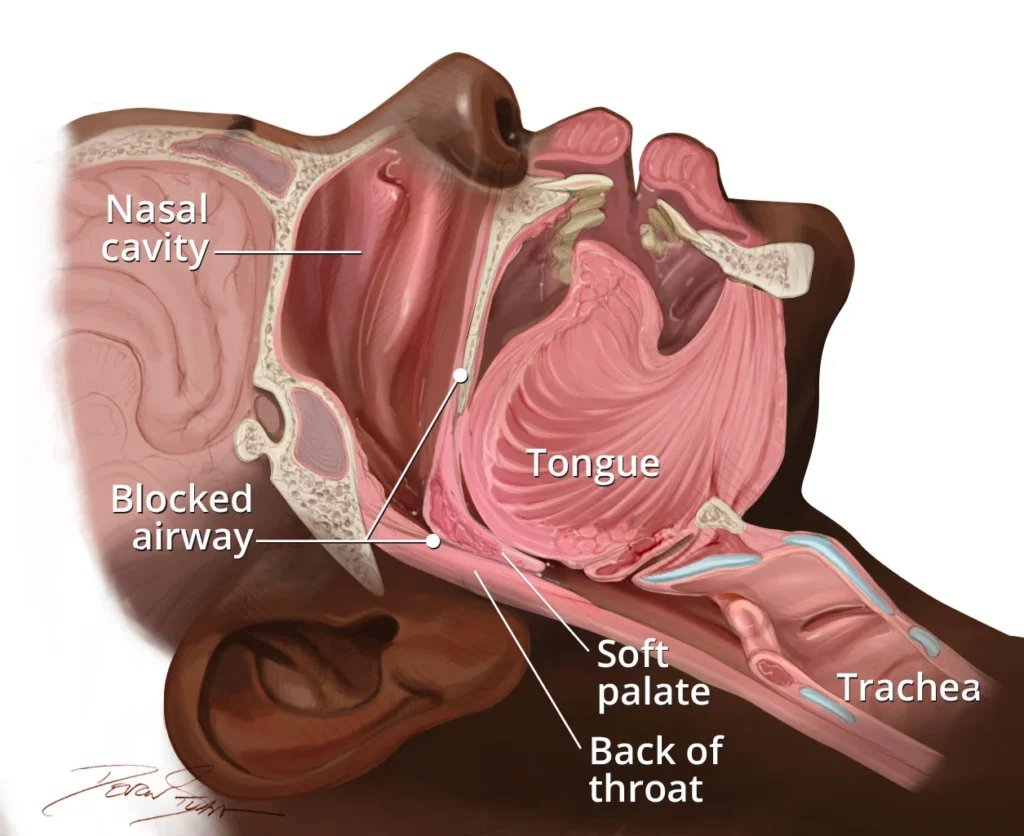
Snoring isn’t just a “sound problem.” It often signals airflow resistance while you sleep. That resistance can fragment sleep, dry out your mouth, and leave you foggy the next day.
Seasonal shifts also get attention this time of year. People talk about winter air, indoor heating, congestion, and how those changes can make breathing at night feel harder. If you already struggle with breathing during sleep, winter can feel like turning the difficulty up a notch.
Snoring also sits inside bigger trends: wearable sleep scores, smart rings, white-noise machines, and the endless “try this hack” videos. Many of those tips are harmless. Some are distractions.
The emotional side: partners, travel fatigue, and burnout math
Snoring is a relationship stressor because it’s repetitive and nightly. One person sleeps. The other person keeps tallying minutes until the alarm. That’s how “sleep divorce” jokes start.
Travel makes it worse. Different pillows, alcohol at dinner, late flights, and back-to-back meetings can all push sleep quality down. When you’re already burnt out, even minor snoring feels like a personal attack.
So the goal is simple: reduce snoring and protect sleep quality. A mouthpiece is one tool. It’s not the only one, and it’s not the right one for everyone.
Practical steps: what to try before (and with) a mouthpiece
Step 1: spot the pattern, not just the noise
Don’t rely on one bad night. Look for patterns across a week. Note if snoring spikes after alcohol, when you sleep on your back, or during congestion.
Step 2: clean up the “easy wins”
These aren’t glamorous, but they’re common in physician-style tip lists because they work for many people:
- Side sleeping: Back sleeping often worsens snoring.
- Limit alcohol close to bedtime: It can relax airway muscles.
- Address nasal stuffiness: Dry air and congestion can increase mouth breathing.
- Keep a consistent sleep window: Sleep deprivation can deepen sleep and worsen snoring in some people.
If those help but don’t solve it, a mouthpiece becomes a more targeted next step.
Where an anti snoring mouthpiece fits (and what “working” looks like)
Most anti-snoring mouthpieces you see discussed today fall into a few categories. The common idea is mechanical: improve airflow by changing jaw or tongue position during sleep.
What “works” should be measurable. Aim for at least two of these outcomes:
- Less snoring volume or fewer snoring episodes (partner report counts).
- Fewer awakenings and less tossing around.
- Better morning feel: less dry mouth, fewer headaches, less grogginess.
If you want to compare options, start with a clear list of features you care about (adjustability, comfort, cleaning, and return policy). Here’s a starting point for research: anti snoring mouthpiece.
Safety and screening: reduce risk, document your choice
This is the part most people skip. Don’t.
Red flags that should trigger screening
Snoring can overlap with obstructive sleep apnea, which is tied to broader health risks. Get evaluated if you notice:
- Choking, gasping, or witnessed pauses in breathing
- Significant daytime sleepiness or dozing off easily
- High blood pressure or heart-related concerns
- New, sudden, or rapidly worsening snoring
If you want a general read on the seasonal angle people are discussing, see: Why Winter Can Make Sleep Apnea Worse.
Fit, hygiene, and jaw safety checklist
- Start low and slow: If it’s adjustable, avoid aggressive advancement on night one.
- Track jaw symptoms: Mild soreness can happen early. Sharp pain, locking, or persistent discomfort is a stop sign.
- Watch your bite: If your teeth don’t meet normally in the morning for long periods, reassess.
- Clean it consistently: Rinse after use, follow the manufacturer’s cleaning steps, and let it dry fully.
- Document the trial: Note the start date, settings, and nightly results. This helps you make a rational decision instead of guessing.
Dental sleep therapies are also a growing topic in professional circles. That’s a reminder to treat mouth devices as real medical-adjacent tools, not just “gadgets.” When in doubt, ask a dentist or sleep clinician, especially if you have TMJ history, loose teeth, crowns/bridges, or gum disease.
FAQ
Can an anti snoring mouthpiece improve sleep quality?
It can for the right snoring pattern. The best sign is fewer awakenings and better daytime energy, not just a quieter room.
Is loud snoring always sleep apnea?
No. But if snoring comes with gasping, pauses, or heavy daytime sleepiness, screening is the safer move.
Are boil-and-bite mouthpieces safe?
They can be, but poor fit raises the risk of jaw pain and tooth discomfort. Stop if symptoms persist and consider professional guidance.
How long does it take to know if a mouthpiece works?
Often within days, but give it 1–2 weeks to adjust and to compare trends.
What should I track when testing a snoring mouthpiece?
Snoring frequency/volume, morning symptoms, daytime sleepiness, and any jaw or tooth issues. Simple notes beat vague impressions.
CTA: make your next step a controlled test
If snoring is hurting sleep quality at home, on the road, or during a high-stress season, don’t keep improvising nightly. Pick a plan, track results, and prioritize safety.
How do anti-snoring mouthpieces work?
Medical disclaimer: This article is for general education only and is not medical advice. Snoring can be a sign of a sleep-related breathing disorder. If you have choking/gasping, witnessed breathing pauses, significant daytime sleepiness, or heart-related concerns, seek evaluation from a qualified clinician.