
Snoring isn’t just “background noise.” It can turn a full night in bed into a half-night of real sleep.
And lately, the conversation is everywhere—sleep gadgets, burnout bedtimes, travel fatigue, and the classic relationship joke: “I love you, but please stop sounding like a leaf blower.”
Thesis: Better sleep quality usually comes from pairing the right tool (like an anti snoring mouthpiece) with simple, repeatable sleep habits.
What people are talking about right now (and why it matters)
Recent sleep headlines keep circling the same theme: small changes can make nights feel dramatically different. That includes practical physician-style snoring tips, reminders to stop working close to bedtime, and renewed interest in mouthpiece-style devices that gently move the jaw forward.
Another timely angle: colder months. Dry indoor air, seasonal congestion, and more time spent on your back can all stack the deck against quiet breathing. If you want a quick overview of that seasonal link, see Why Winter Can Make Sleep Apnea Worse.
One more trend worth noting: people are tired of “one more device.” They want fewer knobs and more results. That’s why mouthpieces keep coming up in sleep conversations—simple, portable, and not dependent on apps.
Timing: when to test changes for the clearest signal
Snoring fixes fail when everything changes at once. Instead, run a short “sleep experiment” for 10–14 nights.
Pick one main tool (like a mouthpiece) and keep the rest steady. Try to avoid adding a new pillow, a new supplement, and a new bedtime rule all in the same week.
Best nights to start
Choose a low-stress stretch. If you’re coming off a red-eye flight or a deadline week, your sleep will be noisy in more ways than one.
Supplies: what you actually need (and what’s optional)
- A properly fitting mouthpiece (the core tool)
- A case so it doesn’t live on your nightstand collecting dust
- A simple cleaning routine (gentle brush + cool water; avoid harsh heat)
- Optional: nasal support (saline rinse or strips) if congestion is a big driver
If you’re comparing options, start here: anti snoring mouthpiece.
Step-by-step: the ICI method (Insert → Comfort → Improve)
This is a simple way to build consistency without turning bedtime into a project.
1) Insert: set up your airway and your expectations
Put the mouthpiece in right before lights out. If you add it earlier while you’re scrolling, you’ll notice it more and fuss with it.
Start with a neutral jaw position if the device allows adjustment. More advancement is not automatically better.
2) Comfort: reduce “new gear” friction
Comfort is the make-or-break factor. If your mouth is dry, keep water nearby and consider room humidity in winter.
If you clench, pay attention to morning jaw tension. Mild awareness can be normal at first. Sharp pain is not.
3) Improve: track outcomes that matter
Don’t obsess over one night. Look for trends: fewer wake-ups, less partner nudging, and better morning energy.
A quick note in your phone works: bedtime, wake time, and a 1–5 “how rested” score. That’s enough data for most people.
Mistakes that keep snoring solutions from working
Changing five variables at once
If you also start side-sleeping, quit caffeine, buy a new pillow, and add a mouthpiece, you won’t know what helped.
Over-advancing the jaw too fast
More pull can mean more irritation. Aim for the smallest change that improves sound and sleep quality.
Ignoring possible sleep apnea signals
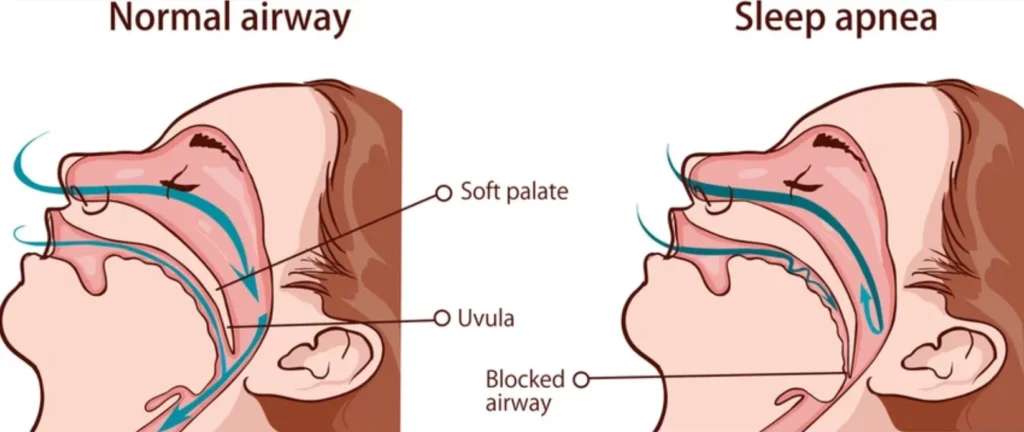
Snoring plus gasping, witnessed breathing pauses, morning headaches, or severe daytime sleepiness can point to something beyond “annoying noise.” Those are worth a professional conversation.
Skipping cleanup
Residue and odor build up quickly. Rinse after use, brush gently, and let it dry in its case. Replace it when wear shows up.
FAQ: quick answers people want before buying
Is a mouthpiece the same as a night guard?
No. A night guard mainly protects teeth from grinding. An anti-snoring mouthpiece is designed to support airflow, often by positioning the jaw forward.
What if I only snore when I’m exhausted or traveling?
That’s common. Travel fatigue, alcohol at social dinners, and sleeping on unfamiliar pillows can all increase snoring. A portable mouthpiece can be useful in those “high-risk” weeks.
Can sleep gadgets replace a mouthpiece?
Most gadgets track sleep or mask noise. They don’t physically change airflow. If your issue is airway positioning, a mouthpiece may address the root cause more directly.
CTA: make the next night easier
If snoring is denting your sleep quality—or your partner’s patience—start with one tool and a simple plan. Keep it consistent for two weeks and measure the change.
How do anti-snoring mouthpieces work?
Medical disclaimer: This article is for general education and does not provide medical advice. Snoring can be a sign of sleep apnea or other health conditions. If you have choking/gasping during sleep, witnessed breathing pauses, chest pain, severe daytime sleepiness, or concerns about jaw/teeth pain, talk with a qualified clinician.