
Is your snoring louder in winter?
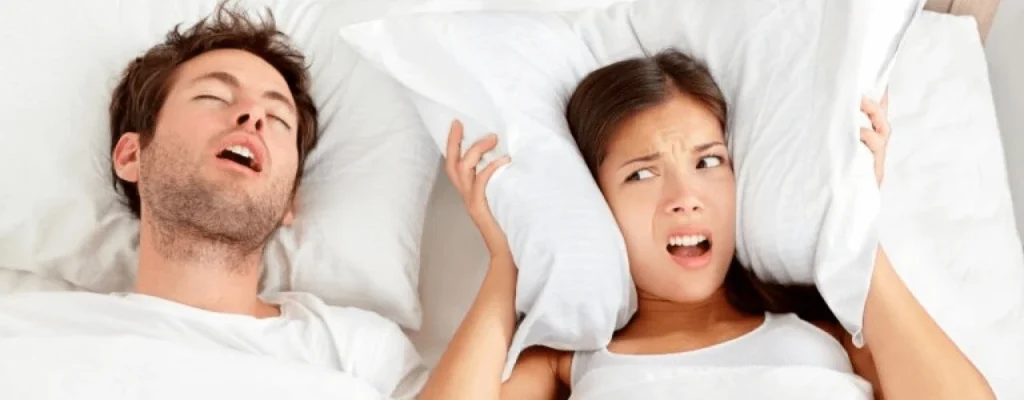
Are sleep gadgets everywhere, yet you still wake up tired?
And is your partner making “you were chainsawing again” jokes like it’s a nightly sitcom?
You’re not alone. Snoring has become a weirdly mainstream topic—part relationship humor, part wellness trend, part burnout reality. The practical goal is simple: improve sleep quality without wasting a pay cycle on stuff that doesn’t help.
Overview: what snoring is (and why it’s trending again)
Snoring happens when airflow is partially blocked and soft tissues vibrate. The “why now” factor is cultural too. People are traveling more, sleeping in unfamiliar beds, and feeling workplace fatigue. That mix makes sleep feel fragile, so snoring gets extra attention.
Also, more headlines are tying snoring to broader health conversations. If you’re worried it might be more than noise, it’s worth reading about Why do people snore more in winter?: Health expert reveals reasons of snoring and 7 precautions to prevent …. You don’t need to panic, but you also don’t need to shrug it off.
Timing: when to tackle it (and why winter can feel louder)
If your snoring ramps up when temperatures drop, you’re in good company. Winter often brings dry heated air, stuffy noses, and more mouth breathing. Add holiday stress, late meals, and inconsistent bedtimes, and your sleep can get messy fast.
Here’s a simple timing rule: if snoring is new, suddenly worse, or paired with daytime sleepiness, address it this week—not “sometime after busy season.” If it’s been steady for years, you can still take a structured 7–14 day run at improving it.
Supplies: the budget-friendly kit before you buy another gadget
You don’t need a nightstand full of tech to start. Try this short list first:
- Notes app or checklist (track bedtime, alcohol, congestion, and how you felt in the morning)
- Nasal support (saline rinse/spray, or nasal strips if they agree with your skin)
- Side-sleep help (body pillow, backpack pillow trick, or a wedge)
- Hydration + humidity (water by the bed; consider a humidifier if your room is desert-dry)
- Optional: an anti snoring mouthpiece if your pattern suggests mouth breathing or jaw position is a factor
If you want a combined approach, an anti snoring mouthpiece is designed for people who suspect mouth opening is part of the problem.
Step-by-step (ICI): Identify → Change → Iterate (7 nights)
1) Identify your snore pattern (Nights 1–2)
Run a quick baseline. Keep everything normal for two nights. Write down four things: bedtime, alcohol (yes/no), congestion (0–10), and morning energy (0–10). If you share a room, ask for a simple rating: “quiet / medium / loud.”
This is the unglamorous step that saves money. It tells you whether your snoring is situational (travel fatigue, winter congestion) or consistent.
2) Change one lever at a time (Nights 3–5)
Pick one lever first, not five. Good options:
- Side-sleeping: Many people snore more on their back.
- Nasal routine: If you’re stuffy, treat the “blocked nose → mouth breathing” chain.
- Earlier cutoff for alcohol/heavy meals: If snoring spikes after late nights out, test a cutoff window.
Keep the rest the same. You’re trying to learn what actually moves the needle.
3) Iterate with a mouthpiece trial (Nights 6–7)
If your notes suggest mouth breathing, back-sleeping, or “worse after exhaustion,” a mouthpiece may be worth a trial. Many anti-snoring mouthpieces work by gently positioning the lower jaw forward to support airflow. Comfort and fit matter a lot.
Start conservatively. Give yourself a few nights to adapt, and don’t force it through pain. If you wake up with jaw soreness that doesn’t fade quickly, pause and reassess.
Mistakes that waste money (and sleep)
Buying based on hype, not pattern
Sleep tech is having a moment. Connected devices and “ecosystem” language can sound convincing. Still, your best first filter is your own pattern: congestion-driven, position-driven, or lifestyle-driven.
Ignoring red flags
Snoring can be harmless, but it can also be a sign of obstructed breathing during sleep. If you notice choking/gasping, witnessed pauses in breathing, morning headaches, or heavy daytime sleepiness, don’t DIY your way past it.
Expecting one perfect night
Sleep is not a light switch. Travel, stress, and burnout can make any solution feel inconsistent. Track trends across a week instead of judging one night.
FAQ: quick answers people ask at 2 a.m.
Is it normal to snore more when you’re exhausted?
It can happen. When you’re run down, sleep may get deeper and airway muscles can relax more, which may increase snoring.
Can a mouthpiece improve sleep quality even if I still snore sometimes?
Possibly. Some people report fewer wake-ups and better mornings even if occasional noise remains.
What if my snoring is mostly on trips?
Travel fatigue, alcohol with dinner, and different pillows can stack the odds. Bring your side-sleep setup and keep a simple nasal routine.
CTA: pick the next sensible step
If you want a straightforward path, start with the 7-night ICI plan above. If your notes point toward mouth breathing or jaw position, consider a mouthpiece approach and keep comfort as the priority.
How do anti-snoring mouthpieces work?
Medical disclaimer: This article is for general education and does not provide medical advice. Snoring can have many causes, including sleep apnea. If you have breathing pauses, choking/gasping, chest pain, significant daytime sleepiness, or concerns about heart health, seek evaluation from a qualified clinician.