
Do you snore even when you’re exhausted?
Is it hurting your sleep quality—and your relationship?
Are you wondering if an anti snoring mouthpiece is worth trying, or if it’s something bigger like sleep apnea?
Yes, snoring is having a moment. Between sleep gadgets, “biohacking” trends, and the very real burnout that makes everyone crave deeper rest, people are talking about snoring like it’s a nightly performance review. And when travel fatigue hits, even quiet sleepers can suddenly sound like a leaf blower.
This guide answers those three questions with clear next steps. It’s practical, not preachy. And it keeps the focus where it belongs: better sleep and fewer bedroom arguments.
Why does snoring feel worse lately—even if nothing changed?
Snoring gets louder when your airway narrows during sleep. That narrowing can be influenced by several everyday factors that are showing up in current “sleep health” conversations.
Common “right now” triggers people keep running into
- Stress and burnout: You fall asleep faster, sleep deeper in short bursts, and your muscles relax more. That can make vibration (snoring) more likely.
- Travel fatigue: Late nights, alcohol with dinner, dehydration, and unfamiliar pillows can change breathing patterns.
- Congestion and dryness: Seasonal stuffiness or dry hotel air can push you into mouth breathing.
- Relationship dynamics: The snorer feels judged. The partner feels ignored. Both end up sleep-deprived, which makes every conversation sharper.
Snoring is often framed as a joke. In real life, it can become a nightly negotiation: who sleeps where, who gets earplugs, and who feels guilty. Naming that pressure helps you solve it as a team.
What does snoring say about sleep quality (and sleep health)?
Snoring can be “just snoring,” but it can also be a sign that airflow is restricted. Either way, it can disrupt sleep quality—yours, your partner’s, or both.
How snoring chips away at rest
- Micro-arousals: You may not fully wake up, but your sleep can fragment.
- Less restorative sleep: Broken sleep can leave you foggy, irritable, and craving caffeine.
- Partner sleep loss: Even if you feel “fine,” the person next to you may not be.
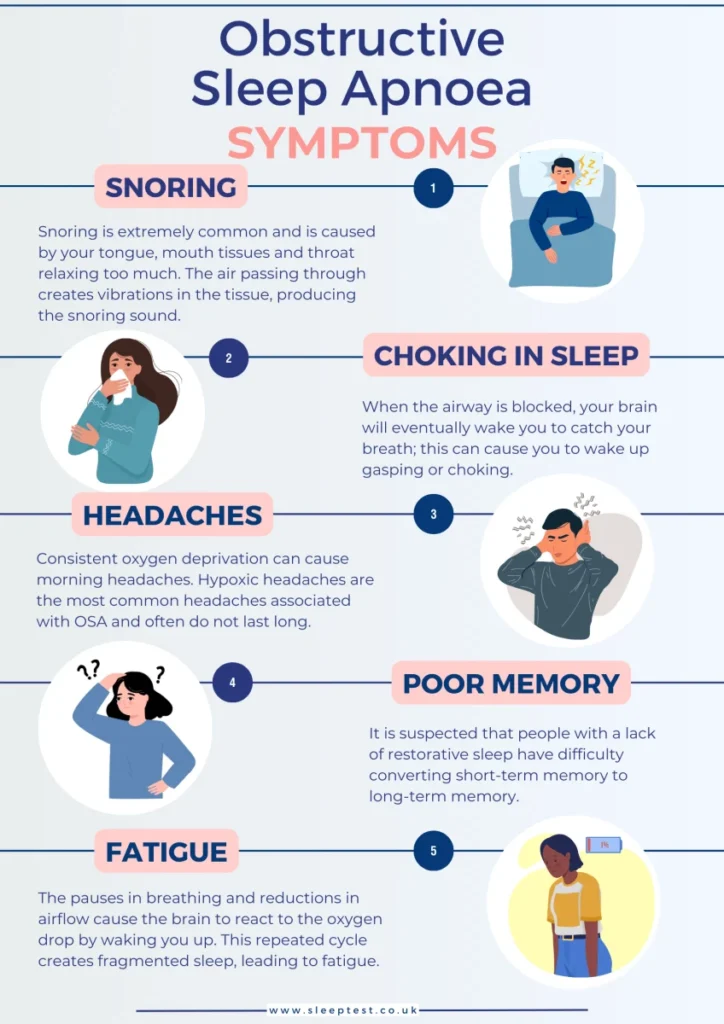
Also important: snoring doesn’t automatically mean sleep apnea, but sleep apnea often includes snoring. If there are breathing pauses, choking/gasping, or heavy daytime sleepiness, treat that as a medical flag—not a gadget problem.
If CPAP is for sleep apnea, why do some people still snore on it?
This is a common question in recent sleep coverage. CPAP can be very effective, yet some users report continued snoring.
There are several possible reasons, and most require a clinician’s help rather than DIY tweaking. Mask fit issues, pressure settings, mouth leaks, sleeping on your back, or nasal blockage can all play a role. If you’re searching for Still Snoring With a CPAP Machine?, you’re not alone.
One more nuance: CPAP and mouthpieces aren’t interchangeable. CPAP is a primary therapy for diagnosed obstructive sleep apnea. Mouthpieces are often used for snoring and, in some cases, mild-to-moderate apnea under professional guidance.
So what is an anti snoring mouthpiece, and when does it make sense?
An anti snoring mouthpiece is a device you wear during sleep to help keep your airway more open. Many are designed to gently position the lower jaw forward (often called mandibular advancement). That can reduce tissue vibration that creates snoring.
When a mouthpiece is a reasonable next step
- You snore mostly on your back or after alcohol.
- Your partner reports consistent snoring without obvious breathing pauses.
- You want a travel-friendly option when sleep routines are messy.
- You’ve tried basics (side sleeping, nasal support, limiting late alcohol) and still struggle.
When to pause and get evaluated instead
- Witnessed breathing pauses, choking, or gasping
- High daytime sleepiness, morning headaches, or concentration problems
- High blood pressure or other cardiometabolic concerns
- Snoring that’s suddenly new and intense
Some headlines also point to simple supportive measures for breathing in specific groups (like children) being explored. The takeaway for adults is still the same: treat airway symptoms seriously and match the solution to the cause.
How do you choose a mouthpiece without getting lost in reviews?
Sleep product reviews are everywhere right now, and they can blur together fast. Keep your decision simple by focusing on fit, comfort, and whether the design matches your snoring pattern.
Quick filters that save time
- Adjustability: Small changes can matter. A one-position device may not suit you.
- Comfort and materials: If it hurts, you won’t wear it consistently.
- Jaw/TMJ history: If you have jaw pain, clicking, or dental issues, ask a dentist or sleep clinician before using a jaw-advancing device.
- Realistic goal: Aim for “quieter and more stable sleep,” not perfection on night one.
If you’re comparing options, start with a curated overview like anti snoring mouthpiece and then narrow down based on comfort and adjustability.
How do you talk about snoring without starting a fight?
Snoring is physical, but the fallout is emotional. People often hear, “You’re keeping me up,” as “You’re the problem.” That’s when defensiveness kicks in.
A calmer script that works
- Make it shared: “We’re both losing sleep.”
- Pick a neutral time: Not at 3 a.m. in the dark.
- Agree on an experiment: “Let’s try one change for 7 nights and see.”
- Protect dignity: Humor is fine. Mocking isn’t.
This matters because consistency is what improves sleep health. The best tool is the one you can actually stick with.
Common questions (fast answers)
Does a mouthpiece replace CPAP? Not usually. CPAP is a standard treatment for diagnosed sleep apnea. Mouthpieces may be an alternative in certain cases with professional oversight.
Will a mouthpiece help with nasal snoring? Sometimes, but nasal blockage can overwhelm any mouth device. Address congestion and mouth breathing habits too.
Is snoring always dangerous? No, but it’s not something to ignore when it comes with apnea symptoms or major daytime impairment.
Medical disclaimer
This article is for general education and does not provide medical advice, diagnosis, or treatment. If you suspect sleep apnea or have choking/gasping, breathing pauses, severe daytime sleepiness, or ongoing symptoms, talk with a qualified clinician or a sleep specialist.
CTA: Ready to understand your options?
How do anti-snoring mouthpieces work?
If snoring is turning bedtime into a negotiation, a clear plan beats another random gadget. Start with the basics, watch for apnea red flags, and choose tools that support real sleep—not just quieter nights.