
2:07 a.m. The hotel room is quiet except for the familiar soundtrack: snore… pause… snore. One person stares at the ceiling. The other swears they’re “barely sleeping” because of an early flight, a packed calendar, and that new wearable that keeps nagging them about “sleep debt.”
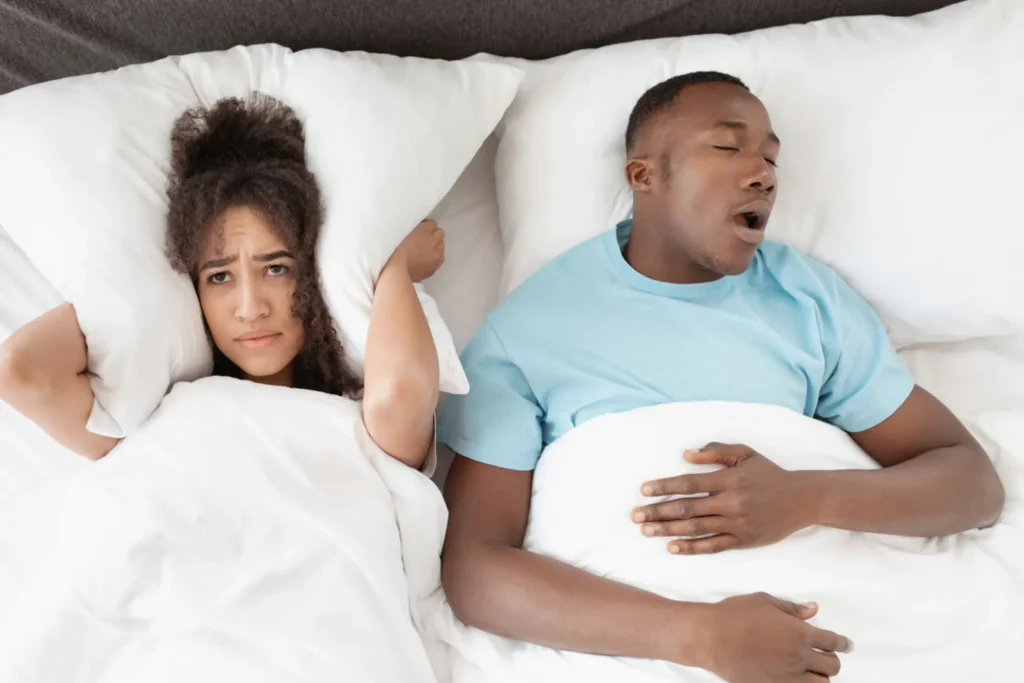
By breakfast, it’s a relationship joke. By Monday, it’s a workplace-burnout problem. And right now, snoring is getting extra attention again—because people are realizing it’s not just noise. It’s sleep quality.
What people are talking about right now (and why it matters)
Sleep tech is everywhere. Ring trackers, smart alarms, white-noise machines, nasal strips, mouth tape, sunrise lamps—plus the “I bought another gadget” humor that shows up in group chats. Travel fatigue is also back on the menu, and late-night scrolling doesn’t help.
At the same time, headlines keep circling a simple truth: even people using serious tools like CPAP can still snore if something is off. If you want the high-level overview, see this related update on Still Snoring With a CPAP Machine?.
There’s also growing interest in low-risk comfort steps for breathing at night, including simple nasal moisture strategies discussed in recent coverage around kids and sleep-disordered breathing. That doesn’t mean every hack is right for every person. It does mean people want practical options that don’t turn bedtime into a science project.
What matters medically (without the hype)
Snoring happens when airflow becomes turbulent and tissues in the upper airway vibrate. That turbulence can show up for lots of reasons, including:
- Back-sleeping (gravity narrows the airway)
- Nasal congestion or dryness (more mouth breathing)
- Alcohol or sedatives (muscles relax more)
- Jaw and tongue position (airway space changes)
- Weight changes (can affect airway anatomy)
Sometimes snoring is “just snoring.” Other times it’s tied to obstructive sleep apnea (OSA), where breathing repeatedly reduces or stops during sleep. OSA is a medical condition and needs proper evaluation. If you’re unsure what OSA is, major health systems regularly publish explainers on it, and the key takeaway is this: don’t ignore symptoms that suggest breathing interruptions.
Medical disclaimer: This article is for general education only and isn’t medical advice. It can’t diagnose sleep apnea or other conditions. If you suspect a sleep disorder, talk with a qualified clinician.
How to try at home: a no-drama plan for better sleep
Think “reduce airway irritation + improve positioning + use tools that you’ll actually wear.” Keep it simple for 7–14 nights so you can tell what’s working.
Step 1: Run a quick snoring audit (3 nights)
Pick one measurement and stick to it. A phone recording app, a sleep tracker trend line, or your partner’s 1–10 rating works. The goal is consistency, not perfection.
- Note alcohol timing, bedtime, and sleep position.
- Track nasal congestion (none / mild / bad).
- Write down morning symptoms: dry mouth, headache, fogginess.
Step 2: Positioning that doesn’t feel like punishment
Back-sleeping is a common snoring amplifier. Try side-sleeping support for a week:
- Body pillow to keep hips and shoulders aligned.
- Head/neck alignment (avoid chin-to-chest curling).
- Gentle “position reminder” if you always roll onto your back.
Step 3: Nasal comfort basics (especially during travel)
Dry cabins, hotel HVAC, and winter air can push people toward mouth breathing. Consider low-risk comfort steps like hydration, humidity, and addressing congestion. If you use sprays or rinses, follow label directions and use age-appropriate products. For kids, always involve a pediatric clinician.
Step 4: Where an anti snoring mouthpiece fits
If your snoring is tied to jaw/tongue position, an anti snoring mouthpiece may help by gently moving the lower jaw forward. That can reduce tissue vibration and support airflow.
To keep the experience practical, focus on four basics:
- Fit: It should feel secure without sharp pressure points.
- Comfort ramp: Start with shorter wear periods, then increase.
- Positioning: Pair it with side-sleeping for a stronger effect.
- Cleanup: Rinse after use, brush gently, and let it air-dry fully.
If you’re comparing options, start here: anti snoring mouthpiece.
When to stop experimenting and get help
Snoring becomes a medical conversation when symptoms suggest more than simple vibration. Don’t wait it out if you notice any of the following:
- Choking/gasping or witnessed breathing pauses
- Excessive daytime sleepiness or dozing off unintentionally
- Morning headaches, high blood pressure concerns, or persistent brain fog
- Snoring that persists despite major changes (position, alcohol timing, congestion)
If you already use CPAP and snoring continues, it can signal mask leaks, mouth breathing, pressure issues, or fit problems. That’s a good time to loop in your sleep clinic rather than stacking more gadgets.
FAQ: quick answers people want before bed
Will a mouthpiece fix snoring instantly?
Sometimes you’ll notice a change on night one, but many people need a short adjustment period. Comfort and correct fit drive results.
What if I wake up with jaw soreness?
Mild soreness can happen early on. If pain is significant, persistent, or affects your bite, stop using it and consult a dental professional.
Does sleeping on your side really matter that much?
For many people, yes. Side-sleeping can reduce airway collapse and vibration, especially if snoring worsens on your back.
CTA: make your next step easy
If your goal is quieter nights and better sleep quality, start with a simple plan: track, adjust position, improve nasal comfort, and then choose a wearable tool you can stick with.