
- Snoring is trending again—but not because it’s cute. Sleep gadgets and viral hacks are everywhere.
- Mouth taping is getting headlines for snoring, and experts are urging caution.
- Sleep quality is the real goal. Less noise is nice. Better recovery is better.
- An anti snoring mouthpiece is a more established option than DIY tape for many snorers.
- If you suspect sleep apnea, don’t “hack” it. Get evaluated.
Overview: Why everyone’s talking about snoring right now
Snoring used to be a private problem. Now it’s part of the wellness conversation—right alongside sleep trackers, sunrise alarms, and the “optimize everything” vibe.
It also shows up in everyday life. Travel fatigue makes people snore louder in unfamiliar beds. Workplace burnout pushes bedtimes later. Couples joke about it, until the jokes stop being funny at 2:00 a.m.
Recent coverage has also put a spotlight on viral mouth-taping. The idea sounds simple. The safety questions aren’t.
Timing: When snoring hits hardest (and why your nights vary)
Snoring isn’t always consistent. Many people notice it spikes at predictable times, which can help you choose the right fix.
Late nights and “sleep debt” weekends
When you’re overtired, your sleep can get deeper and more fragmented. That combination can make snoring more noticeable, especially to a partner who’s already on edge.
After alcohol or heavy meals
Alcohol can relax airway muscles. Late, heavy meals can increase reflux and congestion-like symptoms in some people. Either way, the airway can get noisier.
Travel, dry hotel air, and weird pillows
Planes, dehydration, and unfamiliar pillows can change head and jaw position. Dry air can irritate nasal passages. That’s a perfect setup for “why am I snoring like this?” nights.
Relationship timing: the nights you can’t afford to be loud
It’s a classic scene: one person has an early meeting, the other is doom-scrolling, and snoring becomes the main character. If you know those nights are coming, plan ahead instead of improvising at bedtime.
Supplies: What to consider before you try the next snoring fix
Snoring fixes range from sensible to sketchy. Before you buy anything (or tape anything), decide what you’re actually trying to solve.
Start with a quick self-check
- How often? Rare, weekly, or most nights?
- How intense? Light rumble or room-shaking?
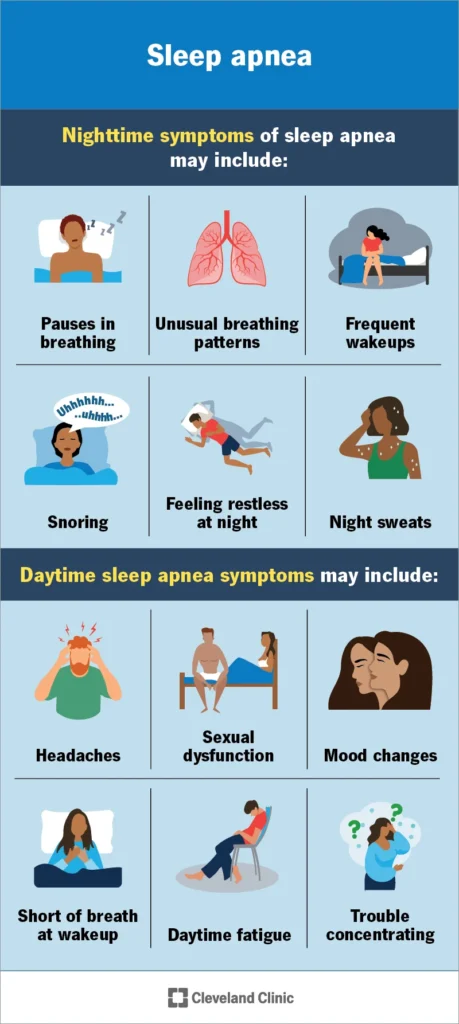
- Any daytime symptoms? Morning headaches, sleepiness, irritability, trouble focusing.
- Any breathing concerns? Choking, gasping, or witnessed pauses can be a red flag for sleep apnea.
About the mouth-taping trend
Headlines have pointed out that mouth taping for snoring has gone viral, and scientists and clinicians have raised safety concerns. The main issue is simple: you don’t want to restrict airflow if your nose is blocked or if you might have an underlying breathing disorder during sleep.
If you want to read the broader discussion, see Scientists warn against viral nighttime mouth-taping trend.
Why an anti snoring mouthpiece is in the conversation
A mouthpiece is not a “sleep hack.” It’s a physical tool that may help by changing jaw or tongue position to keep the airway more open. For the right person, that can mean less vibration, less noise, and fewer sleep disruptions.
If you’re comparing products, start here: anti snoring mouthpiece.
Step-by-step (ICI): A simple plan to test what actually helps
This is a practical, low-drama workflow. It’s designed to reduce guesswork and keep you from bouncing between trends.
I = Identify your likely snoring driver
- Mostly on your back? Position may be a key factor.
- Mostly when congested? Nasal airflow may be the issue.
- Mostly after alcohol? Muscle relaxation may be driving it.
- Mostly every night, regardless? Consider a structured solution and rule out sleep apnea.
C = Choose one change for 7–10 nights
Pick a single lever to pull. Mixing three fixes at once makes it impossible to know what worked.
- Try side-sleeping support (body pillow or positional cue).
- Set a consistent lights-out time for a week.
- Address nasal comfort (humidity, gentle rinse, or allergy plan as appropriate).
- Consider an anti snoring mouthpiece if jaw position seems relevant.
I = Inspect the results (without overthinking it)
- Partner feedback: less noise, fewer wake-ups?
- Your morning: fewer headaches, less dry mouth, more energy?
- Consistency: does it help on “bad nights” like travel or late stress?
If you’re still getting loud snoring plus daytime sleepiness, don’t just keep shopping. That’s when screening for sleep apnea becomes a smart move.
Mistakes: What makes snoring fixes fail (even good ones)
Chasing the loudest trend instead of the right fit
Viral solutions spread fast because they’re simple to explain. Your airway isn’t simple. If a method feels risky or uncomfortable, that matters.
Ignoring nasal blockage
If your nose is consistently blocked, anything that assumes easy nasal breathing can backfire. Fix airflow first, then evaluate other tools.
Expecting a mouthpiece to “override” sleep apnea
Snoring can be a symptom of obstructive sleep apnea. Mouthpieces can help certain people, but apnea needs medical assessment and the right treatment plan.
Not giving your body an adjustment window
Some devices feel odd at first. If it’s safe and tolerable, a short adjustment period can help you judge results fairly.
FAQ: Quick answers people want before bedtime
What’s the difference between snoring and sleep apnea?
Snoring is sound from airway vibration. Sleep apnea involves repeated breathing reductions or pauses. Apnea can affect health and sleep quality more seriously.
Will a mouthpiece stop snoring completely?
Some people get near-silence. Others get a meaningful reduction. The goal is fewer disruptions and better sleep, not perfection.
Should I try mouth taping before a mouthpiece?
If safety is unclear for you, don’t treat it as a harmless first step. A mouthpiece is a more established approach for many snorers, and it doesn’t rely on restricting the mouth.
When should I talk to a clinician?
If you have choking/gasping, witnessed breathing pauses, significant daytime sleepiness, or high blood pressure concerns, ask about a sleep evaluation.
CTA: Ready for a quieter night that also feels better?
If snoring is hurting your sleep quality (or your relationship’s peace treaty), focus on solutions with a clear mechanism and a realistic testing window. An anti snoring mouthpiece is one of the most common next steps people explore when position and lifestyle tweaks aren’t enough.
How do anti-snoring mouthpieces work?
Medical disclaimer: This article is for general information only and isn’t medical advice. Snoring can be a sign of obstructive sleep apnea or other health conditions. If you have breathing pauses, gasping, chest pain, severe daytime sleepiness, or concerns about safety with any sleep method, consult a qualified healthcare professional.