
Blog Post:
Snoring can be a major nuisance for both the snorer and their partner. It can disrupt sleep, leading to fatigue and irritability during the day, and strain relationships. While snoring can have various causes, one common culprit is nasal congestion. Fortunately, there are solutions available, such as nasal strips, that can help alleviate snoring and improve overall sleep quality.
Nasal strips are small adhesive strips that are placed on the bridge of the nose before going to bed. These strips work by gently lifting the nasal passages, creating more space for air to flow through. This reduces the vibration of tissues in the back of the throat, which is one of the main causes of snoring.
But why do some people snore while others don’t? The answer lies in the anatomy of our noses. Our nasal passages are made up of delicate tissues and structures that can easily become blocked or congested. This can be due to allergies, colds, sinus infections, or structural issues such as a deviated septum.
When the nasal passages are blocked, the air has to find a narrower path to flow through, causing it to pick up speed and create turbulence. This turbulence then causes the tissues in the back of the throat to vibrate, resulting in the familiar snoring sound.
Nasal strips can help in two ways: by opening up the nasal passages and by reducing the vibration of tissues. By creating more space for air to flow through, the strips reduce the speed and turbulence of the air, thus minimizing or eliminating snoring. They also provide support to the nasal passages, preventing them from collapsing and causing vibration.
So, how effective are nasal strips in reducing snoring? The results may vary from person to person, but studies have shown that they can significantly decrease snoring intensity and frequency. In fact, a study published in the Journal of Laryngology and Otology found that nasal strips reduced snoring by an average of 50%.
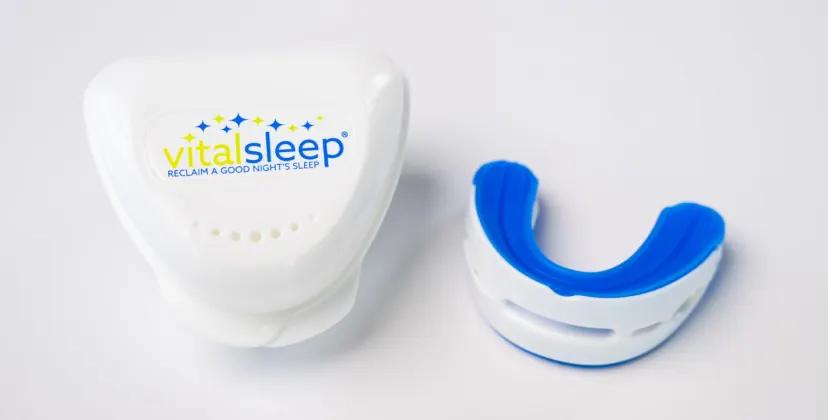
Solving Snoring: The Role of Nasal Strips in Better Sleep
Apart from reducing snoring, nasal strips can also improve sleep quality. Snoring can disrupt the normal sleep cycle, leading to restless nights and daytime fatigue. By addressing the root cause of snoring, nasal strips can help improve sleep quality and promote better overall health and well-being.
But before you rush to the store to buy a pack of nasal strips, it’s important to understand that they may not be suitable for everyone. Nasal strips work best for people whose snoring is caused by nasal congestion. If your snoring is due to other reasons, such as sleep apnea, nasal strips may not be effective.
It’s also essential to use nasal strips correctly for optimal results. The strip should be applied to clean, dry skin and pressed firmly onto the bridge of the nose. It’s essential to follow the instructions on the packaging and avoid using the strip for more than 12 hours at a time. If you experience any discomfort or irritation, discontinue use and consult a doctor.
In addition to using nasal strips, there are also other steps you can take to reduce snoring. These include maintaining a healthy weight, avoiding alcohol and sedatives before bed, and sleeping on your side instead of your back. If your snoring persists despite these measures, it’s best to consult a doctor to rule out any underlying health issues.
In conclusion, nasal strips can be an effective and non-invasive solution for snoring caused by nasal congestion. By opening up the nasal passages and reducing the vibration of tissues, they can significantly decrease snoring and improve sleep quality. However, it’s essential to use them correctly and consult a doctor if snoring persists.
Summary:
Snoring can be a disruptive and frustrating issue for both the snorer and their partner. Nasal strips are a simple and non-invasive solution that can help reduce snoring caused by nasal congestion. These strips work by opening up the nasal passages and reducing the vibration of tissues in the throat. However, they may not be effective for all types of snoring, and it’s important to use them correctly and consult a doctor if snoring persists.