
Blog Post:
Snoring and sleep paralysis are two common sleep disorders that can significantly impact a person’s quality of life. Snoring can disrupt not only the snorer’s sleep but also their partner’s, leading to fatigue, irritability, and other health issues. On the other hand, sleep paralysis is a terrifying experience where a person wakes up unable to move or speak. It can be accompanied by hallucinations and a feeling of suffocation, causing fear and anxiety. While these two conditions may seem unrelated, recent research has shown that a mouthpiece can play a crucial role in solving the puzzle of snoring and sleep paralysis.
What is a Mouthpiece?
A mouthpiece, also known as a mandibular advancement device (MAD), is a dental appliance that is worn during sleep. It is designed to hold the lower jaw forward, keeping the airway open and preventing snoring. There are various types of mouthpieces available, including boil-and-bite, adjustable, and custom-made ones. They are typically made from a thermoplastic material and can be adjusted to fit the user’s mouth comfortably.
The Connection between Snoring and Sleep Paralysis
At first glance, snoring and sleep paralysis may not seem related. However, studies have shown that they often occur together. Sleep paralysis is more common in people who snore or have sleep apnea, a condition where breathing repeatedly stops and starts during sleep. This is because snoring and sleep apnea are caused by the same underlying issue – a narrowed or blocked airway. When the airway is obstructed, breathing becomes difficult, leading to snoring or sleep apnea, and in some cases, sleep paralysis.
How a Mouthpiece Can Help
A mouthpiece can help solve the snoring and sleep paralysis puzzle by addressing the root cause – a narrowed or blocked airway. By holding the lower jaw forward, the mouthpiece prevents the tongue and soft tissues of the throat from collapsing and blocking the airway. This not only reduces snoring but also helps to prevent sleep apnea episodes, reducing the chances of experiencing sleep paralysis. Furthermore, a mouthpiece can also improve the quality of sleep by promoting better airflow and increasing oxygen levels in the body.
Choosing the Right Mouthpiece
With numerous mouthpieces available on the market, it can be challenging to choose the right one. Here are some factors to consider when selecting a mouthpiece:
1. Comfort: A mouthpiece should fit comfortably in the mouth and not cause any pain or discomfort. It is essential to try different types of mouthpieces to find the one that works best for you.
2. Adjustability: Adjustable mouthpieces allow for a customized fit, making them ideal for people with different jaw sizes and shapes.
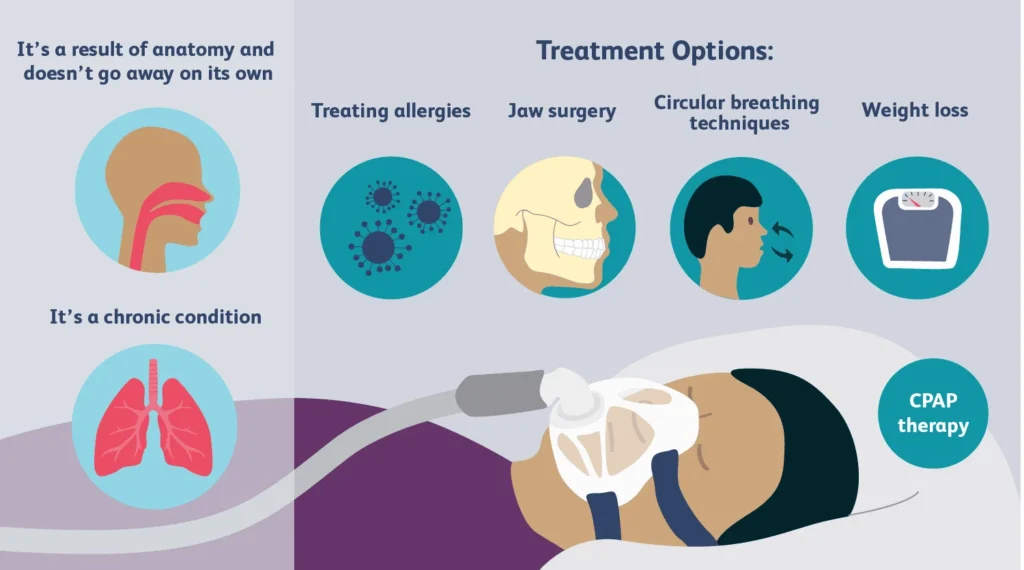
Solving the Snoring and Sleep Paralysis Puzzle: The Role of a Mouthpiece
3. Material: The material of the mouthpiece should be safe, durable, and easy to clean. Some materials may cause allergies or wear out quickly, so it is crucial to consider this when making a purchase.
4. FDA Approval: Look for mouthpieces that are FDA-approved, indicating that they have been tested and proven to be effective and safe for use.
5. Brand Reputation: Do some research on the brand of the mouthpiece you are considering. Look for reviews and testimonials from other users to ensure you are purchasing a high-quality product.
In addition to these factors, it is essential to consult with a dentist or sleep specialist before using a mouthpiece. They can evaluate your airway and determine if a mouthpiece is the right solution for you.
Other Benefits of Using a Mouthpiece
Aside from preventing snoring and sleep paralysis, using a mouthpiece can provide other benefits, including:
1. Improved Breathing: By keeping the airway open, a mouthpiece can improve breathing and reduce the risk of respiratory problems.
2. Increased Energy: Better quality sleep results in increased energy levels and improved overall health and well-being.
3. Non-Invasive: Unlike other treatments for snoring and sleep apnea, such as surgery or CPAP machines, a mouthpiece is non-invasive and does not require any complicated procedures.
4. Cost-Effective: Mouthpieces are generally more affordable than other treatments, making them a cost-effective option for managing snoring and sleep apnea.
In Summary
Snoring and sleep paralysis may seem like a complex puzzle, but a mouthpiece can play a significant role in solving it. By addressing the underlying issue of a narrowed or blocked airway, a mouthpiece can reduce snoring, improve sleep quality, and prevent sleep paralysis. When choosing a mouthpiece, consider factors such as comfort, adjustability, material, FDA approval, and brand reputation. And always consult with a healthcare professional before starting to use a mouthpiece. With its numerous benefits, a mouthpiece is a promising solution for those struggling with snoring and sleep paralysis.