
Blog Post Title: Solving the Snoring-Stress Puzzle: Tips and Tricks
Summary:
Snoring is a common problem that affects millions of people around the world. While it may seem like a harmless habit, snoring can actually be a sign of a more serious underlying issue. One of the most common causes of snoring is stress. When we are stressed, our muscles tend to tense up, including the ones in our throat and neck, which can lead to snoring. In this blog post, we will discuss how snoring and stress are connected, and provide tips and tricks to help solve the snoring-stress puzzle.
First and foremost, it is important to understand the connection between snoring and stress. Stress can cause our body to produce excess adrenaline, which can lead to the constriction of our airways, making it harder for us to breathe properly. This can result in snoring and disrupted sleep. Moreover, chronic stress can also lead to weight gain, which is another common cause of snoring. Therefore, it is crucial to manage stress levels in order to reduce snoring.
One of the most effective ways to reduce snoring caused by stress is to practice relaxation techniques. Deep breathing exercises, meditation, and yoga are just a few examples of relaxation techniques that can help reduce stress and alleviate snoring. These techniques help to calm the mind and relax the muscles in the throat and neck, making it easier to breathe and reducing the likelihood of snoring.
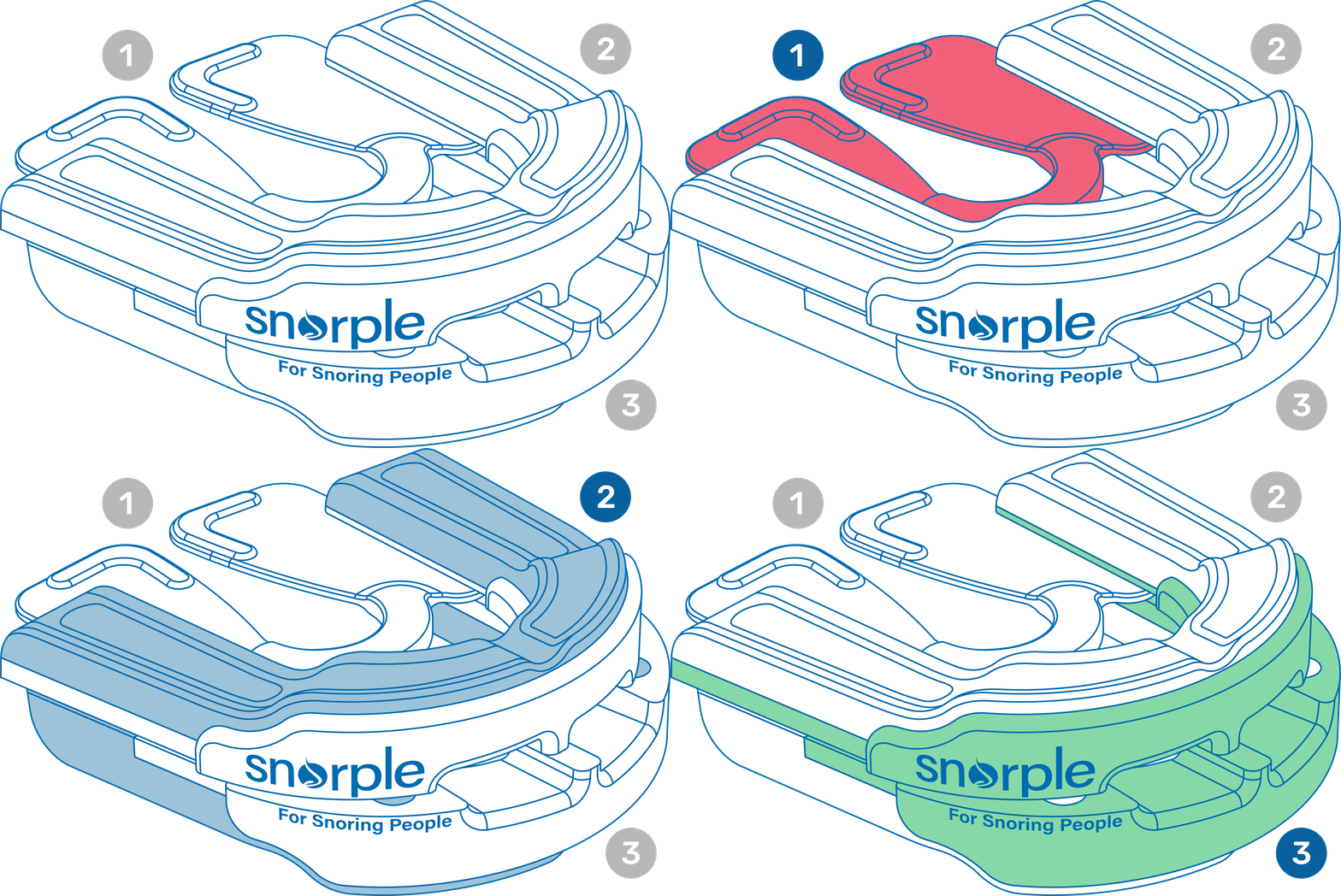
Solving the Snoring-Stress Puzzle: Tips and Tricks
Another important aspect to consider when trying to solve the snoring-stress puzzle is sleep quality. Poor sleep can lead to increased stress levels, which in turn can worsen snoring. It is important to establish a regular sleep schedule and create a comfortable sleep environment. This includes investing in a good quality mattress, pillows, and bedding, as well as keeping the room dark, quiet, and cool. Additionally, avoiding electronic devices and caffeine before bedtime can also improve sleep quality.
In addition to relaxation techniques and improving sleep quality, there are also other lifestyle changes that can help reduce stress and snoring. Regular exercise can help to reduce stress levels and promote better sleep. It is recommended to engage in at least 30 minutes of physical activity each day. However, it is important to avoid exercising close to bedtime as this can have the opposite effect and make it harder to fall asleep.
Maintaining a healthy diet is also crucial when it comes to solving the snoring-stress puzzle. Eating a well-balanced diet, rich in fruits, vegetables, lean protein, and whole grains can help to reduce stress and promote better sleep. It is also important to avoid consuming large meals close to bedtime, as this can lead to snoring.
For those who suffer from chronic snoring and stress, seeking professional help may be necessary. A doctor can help identify any underlying health issues that may be causing snoring and recommend appropriate treatment. There are also various devices and treatments available, such as oral appliances and nasal strips, that can help reduce snoring caused by stress.
In addition to these tips and tricks, it is important to remember that snoring and stress are not always directly related. Other potential causes of snoring include allergies, sleep apnea, and anatomical issues. Therefore, it is important to consult with a medical professional to determine the root cause of snoring and develop an appropriate treatment plan.
In conclusion, snoring and stress are closely interconnected, and it is important to manage stress levels in order to reduce snoring. By practicing relaxation techniques, improving sleep quality, making lifestyle changes, and seeking professional help when necessary, it is possible to solve the snoring-stress puzzle and achieve a better night’s sleep.