
Eight hours in bed. Still wiped out. Your partner jokes you “fought a chainsaw” all night.
That combo is everywhere right now—sleep trackers, new sleep gadgets, travel fatigue, and burnout talk at work.
Snoring isn’t just a noise problem; it can be a sleep-quality problem—and an anti snoring mouthpiece is one of the simplest tools to consider if you screen for red flags first.
Why am I still tired after 8 hours?
Time asleep and quality of sleep aren’t the same thing. You can log a full night and still miss deep, restorative sleep if your breathing keeps getting interrupted.
Common, non-specific reasons include fragmented sleep, irregular schedules, alcohol close to bedtime, congestion, stress, and overdoing caffeine. Another frequent factor: snoring that signals narrowed airflow.
If you want a general overview of what people ask a clinician when they feel tired despite a “full night,” see this resource: We Asked a Doctor What to Do If You’re Still Tired After 8 Hours of Sleep.
Is snoring actually hurting my sleep quality?
Sometimes snoring is “just” vibration from relaxed tissues. Sometimes it comes with reduced airflow that repeatedly nudges you into lighter sleep. Either way, the result can look the same in the morning: brain fog, low patience, and a second coffee that doesn’t hit.
Clues your snoring may be linked to poorer sleep quality:
- You wake up with a dry mouth or sore throat.
- You toss and turn, even if you don’t fully remember waking.
- You feel unrefreshed, especially after travel or late work nights.
- Your partner notices changes in breathing, not just noise.
Relationship humor aside, treat the pattern seriously. If snoring is nightly and your daytime sleepiness is significant, that’s a screening conversation—not a “try another gadget” moment.
Could my nose be part of the problem?
Yes. Nasal congestion and restricted nasal breathing can push you toward mouth breathing, which often makes snoring worse. That’s why nasal strips, rinses, and allergy management keep trending alongside wearables.
Still, “fix the nose” isn’t a universal solution. Some people snore mainly because the jaw and tongue fall back during sleep. That’s where mouth-based options can help.
What does an anti snoring mouthpiece do, in plain English?
Most anti-snoring mouthpieces aim to keep the airway more open by changing position. The common approaches are:
- Mandibular advancement: gently holds the lower jaw forward.
- Tongue stabilization: helps keep the tongue from sliding back.
When the airway stays more open, snoring can drop and sleep may feel steadier. That can matter for couples, but it also matters for you—especially if you’re dealing with workplace burnout and need every bit of recovery your night can give.
Who should NOT self-treat snoring with a mouthpiece?
This is the safety checkpoint. Don’t try to “DIY your way out” if you have signs that need medical screening.
Red flags to escalate (not ignore)
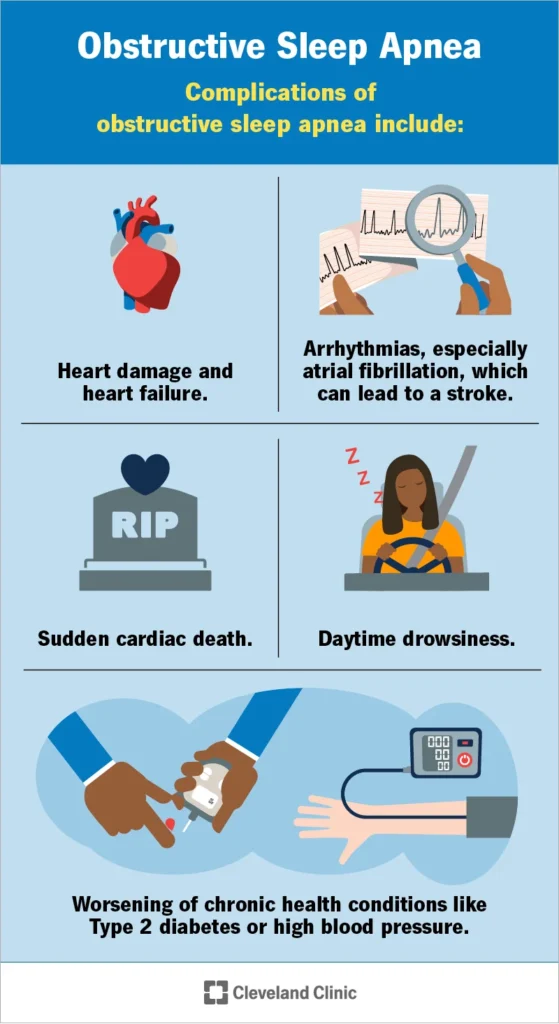
- Witnessed pauses in breathing, choking, or gasping during sleep
- Severe daytime sleepiness or drowsy driving risk
- Morning headaches, high blood pressure, or new mood changes
- Snoring plus significant weight change, or symptoms that are rapidly worsening
These can align with obstructive sleep apnea patterns. A clinician can assess symptoms and decide whether testing is appropriate.
Dental and jaw reasons to pause
- Loose teeth, untreated cavities, gum disease, or recent dental work
- Frequent jaw clicking/locking, or significant TMJ pain
- Ongoing orthodontic treatment (ask your orthodontist first)
How do I choose a mouthpiece without getting burned by hype?
Sleep products are having a moment. Some are useful. Some are just expensive plastic.
Use a simple decision filter that reduces risk and helps you document what you tried:
- Start with comfort and fit: a poor fit leads to non-use, jaw pain, or bite irritation.
- Track outcomes: note snoring reports, morning energy, dry mouth, and jaw soreness for 10–14 nights.
- Set stop rules: stop if you develop sharp pain, worsening headaches, or bite changes that persist.
- Keep hygiene tight: rinse after use, clean as directed, and store dry to reduce odor and microbial buildup.
If you want a combined option some shoppers look for, here’s a related product page: anti snoring mouthpiece.
What should I write down to make this safer and more effective?
Think like you’re debugging a problem. Quick notes beat vague memories.
- Baseline: bedtime, wake time, alcohol timing, congestion level, and stress level
- Snoring feedback: partner notes or audio app trends (no need to obsess)
- Daytime: sleepiness score, focus, and mood
- Mouthpiece: nights used, comfort rating, jaw/tooth sensitivity
This documentation helps you avoid bouncing from gadget to gadget. It also gives a clinician useful context if you need screening later.
FAQs
Can snoring make you tired even if you sleep 8 hours?
Yes. Snoring can reflect fragmented sleep or breathing issues that reduce restorative sleep, even with a full night in bed.
Is an anti snoring mouthpiece safe for most people?
Often, yes. But jaw, teeth, and gums matter. If you have dental disease or TMJ symptoms, get professional input first.
How long does it take to get used to a mouthpiece?
Many people adapt within days to a couple of weeks. Stop if pain, headaches, or bite changes persist.
What’s the difference between a mouthguard and an anti-snoring mouthpiece?
A sports guard protects teeth. Anti-snoring devices aim to reposition the jaw or tongue to support airflow.
When should snoring be checked for sleep apnea?
If there are breathing pauses, gasping, major daytime sleepiness, or other concerning symptoms, seek medical screening.
Ready to learn the mechanism before you buy?
How do anti-snoring mouthpieces work?
Medical disclaimer: This article is for general education and does not provide medical advice, diagnosis, or treatment. If you suspect sleep apnea, have severe daytime sleepiness, or have dental/jaw conditions, consult a qualified clinician or dentist.