
Before you try another sleep gadget, run this quick checklist:
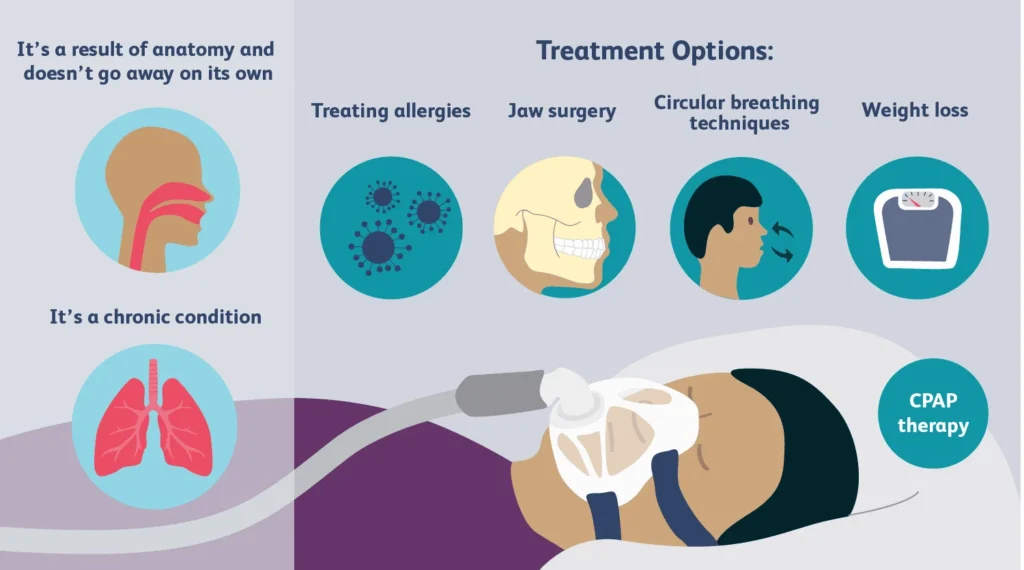
- Is the problem noise, sleep quality, or both? Snoring can be loud without wrecking your sleep—or it can fragment the whole night.
- Are you trying to protect your budget? Pick one change to test for 7–14 nights, not five products at once.
- Is travel or burnout in the mix? Late flights, hotel beds, and stress can amplify snoring.
- Is your partner losing sleep? Relationship jokes are funny until everyone’s cranky at 9 a.m.
Snoring is having a moment in the broader “sleep optimization” trend. People are comparing wearables, mouthpieces, nasal options, and bedroom tweaks like they compare phones. The goal is simple: fewer disrupted nights, better mornings.
What’s trending right now (and why you’re hearing about it)
Recent sleep coverage has leaned into expert-roundups of anti-snore devices and practical tips from clinicians. That tracks with what many people want: a short list, clear tradeoffs, and something they can try at home.
At the same time, the cultural backdrop is loud. Workplace burnout has people chasing “perfect” sleep. Travel fatigue is back on the calendar. And sleep gadgets keep launching, which makes it easy to spend money without learning what actually helps your snoring pattern.
If you want a broad overview of what’s being discussed in expert-led device roundups, see We Consulted Sleep Doctors To Find The 4 Best Anti-Snore Devices.
What matters medically (in plain English)
Snoring usually happens when airflow becomes turbulent and soft tissues in the upper airway vibrate during sleep. That can be influenced by sleep position, nasal congestion, alcohol close to bedtime, and how your jaw and tongue sit when muscles relax.
Important distinction: snoring is not the same thing as sleep apnea. Some people who snore also have obstructive sleep apnea, which involves repeated breathing interruptions. You can’t confirm that at home just by “listening harder.”
Still, snoring can harm sleep quality in a very practical way: it wakes your partner, it triggers micro-awakenings, and it turns “eight hours in bed” into a night that feels thin and choppy.
Where an anti snoring mouthpiece fits
An anti snoring mouthpiece is commonly used to influence jaw or tongue position during sleep. The intent is to keep the airway more open and reduce vibration. For many households, the appeal is straightforward: it’s a non-surgical, at-home option that can be cheaper than a long chain of experiments.
Not every mouthpiece is the same. Some are designed to adjust the lower jaw forward, while others focus on tongue positioning. Comfort and fit matter because a device that sits in a drawer doesn’t help anyone sleep.
How to try this at home (without wasting a cycle)
If you want a budget-first approach, treat your next two weeks like a simple test.
Step 1: Pick one “baseline” week
For 3–7 nights, don’t change everything at once. Track two things: (1) how often snoring is noticed, and (2) how you feel in the morning. A quick note on your phone works.
Step 2: Stack the easy wins first
- Side-sleeping: Many people snore more on their back. A pillow tweak can be a low-cost start.
- Nasal comfort: If you’re congested, address dryness and irritation in a basic way (environment and routine).
- Timing choices: Heavy meals or alcohol close to bedtime can make snoring worse for some people.
These aren’t magic. They’re just low-risk levers that make your mouthpiece test cleaner.
Step 3: Trial an oral device the smart way
When you’re ready to compare options, start by scanning anti snoring mouthpiece and choose one approach to test. Then commit to a short adjustment period.
- Give it a fair runway: The first few nights can feel weird. That doesn’t automatically mean it won’t work.
- Watch comfort signals: Mild adjustment is common. Persistent jaw pain, tooth discomfort, or bite changes are not something to ignore.
- Measure outcomes that matter: Less snoring volume, fewer partner wake-ups, and better morning energy beat “it looked cool on social media.”
Step 4: Make travel-proof decisions
If travel fatigue is part of your week, prioritize solutions that are portable and consistent. Hotel dryness, weird pillows, and late dinners can all nudge snoring upward. A simple routine beats a suitcase full of gadgets.
When snoring needs more than DIY
Get medical advice if any of these are in the picture:
- Breathing pauses, choking, or gasping during sleep (reported by a partner or noticed yourself)
- Significant daytime sleepiness, morning headaches, or concentration problems
- High blood pressure concerns or other cardiometabolic risk factors
- Ongoing jaw pain or bite changes with an oral device
Snoring can be “just snoring,” but it can also be a clue. A clinician can help you decide whether screening or a sleep study makes sense.
FAQ: quick answers people are searching
Do anti-snoring mouthpieces work for everyone?
No. They’re most likely to help when jaw/tongue position is a key driver, and less likely when other factors dominate.
Will a mouthpiece fix my sleep quality?
It can improve sleep continuity if snoring is causing repeated disruptions. It won’t replace good sleep habits or treat every sleep disorder.
What if my partner says I still snore sometimes?
Think in trends, not perfection. Fewer awakenings and quieter stretches can still be a meaningful win.
Is it normal for a mouthpiece to feel odd at first?
Yes, an adjustment period is common. Ongoing pain or tooth concerns should be addressed with a professional.
Next step (keep it simple)
If you’re tired of guessing, start with one controlled test: pick a device type, track results for two weeks, and keep the rest of your routine steady.
How do anti-snoring mouthpieces work?
Medical disclaimer: This article is for general education and does not provide medical diagnosis or personalized treatment. If you suspect sleep apnea, have breathing pauses, or develop jaw/tooth pain with any device, consult a qualified healthcare professional.