
Snoring isn’t just “noise.” It can shred sleep quality for two people at once.
And right now, the internet is pushing sleep hacks like they’re phone accessories. Some are harmless. Some are not.
Here’s the thesis: if you want better sleep fast, skip risky trends and pick a safe, comfortable anti snoring mouthpiece based on your actual snoring pattern.
Why snoring is trending again (and why your sleep feels worse)
Sleep gadgets are having a moment. So are short-form “sleep tips” that look easy on camera.
Add travel fatigue, late-night screens, and workplace burnout, and more people are waking up unrefreshed. Snoring becomes the obvious villain, especially when a partner is elbowing you at 2 a.m.
One trend getting attention is mouth taping. Recent coverage has highlighted why clinicians urge caution with taping your mouth shut at night, especially if nasal breathing isn’t reliably clear.
If you want the general medical context behind that caution, see this related coverage: Why Doctors Say You Shouldn’t Tape Your Mouth Shut at Night.
Decision guide: if…then choose your next step
Use these branches to avoid guesswork. You’re aiming for a tool that improves airflow and stays comfortable enough to actually use.
If your snoring is mostly on your back, then start with positioning + a mouthpiece
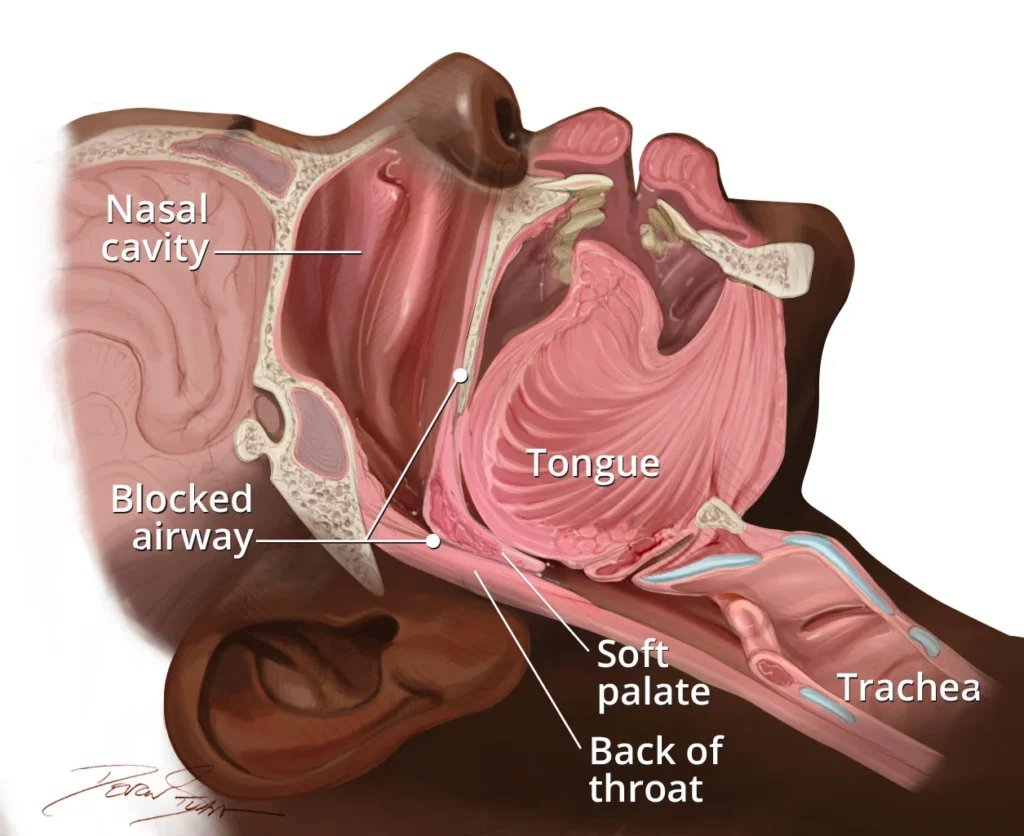
Back-sleeping can let the jaw and tongue fall back, narrowing the airway. That’s a common setup for snoring.
Try side-sleep positioning first. If you still snore, a mandibular advancement style anti snoring mouthpiece may help by gently bringing the lower jaw forward.
Keep it simple: choose comfort-first settings, then adjust in small steps. Over-advancing early is a common reason people quit.
If your nose is blocked at night, then don’t “force” mouth closure
Congestion happens. So do allergies, dry hotel air, and post-flight swelling.
If nasal breathing isn’t dependable, mouth-taping style hacks can backfire. Instead, focus on clearing the nose safely (humidification, shower steam, or clinician-approved options) and consider whether your snoring is actually coming from jaw position.
If your partner complains more than you do, then optimize comfort and compliance
Relationship humor aside, the best device is the one you can wear consistently.
Look for a mouthpiece with a manageable fit, smooth edges, and a design that doesn’t feel like a punishment. Comfort drives follow-through. Follow-through drives results.
If you wake up exhausted, then screen for sleep apnea before “hacking” it
Snoring plus daytime sleepiness, choking/gasping, or morning headaches can signal obstructive sleep apnea. That’s not a DIY situation.
Get evaluated by a clinician. A mouthpiece may still be part of the solution, but you want the right plan for the right problem.
If you want a practical tool, then focus on ICI: fit, positioning, cleanup
ICI = Impact, Comfort, Integration. It’s a quick way to choose without spiraling into review overload.
- Impact: Does it adjust jaw position gradually? A small, controlled change often beats an aggressive jump.
- Comfort: Can you breathe, swallow, and relax your jaw? Expect an adaptation period, not instant perfection.
- Integration: Is it easy to clean and store? If maintenance feels annoying, usage drops.
What to look for in an anti snoring mouthpiece (without the hype)
Adjustability beats “one-size magic”
Snoring is personal. Jaw shape, bite, and sleep position vary.
Adjustable advancement helps you find the minimum effective setting. That matters for comfort and for reducing jaw soreness.
Comfort features you’ll notice on night three
Night one is novelty. Night three is reality.
Prioritize smooth contact points, stable retention, and a fit that doesn’t trigger gagging. If you clench, pay attention to how your jaw feels in the morning.
Cleanup that fits your routine
Easy cleaning is not optional. It’s how you avoid odor, buildup, and “I’ll wear it tomorrow” procrastination.
Rinse after use, brush gently, air-dry fully, and store it in a ventilated case.
Where to compare mouthpiece options
If you’re shopping, start with a clear category: mandibular advancement devices (MADs) are common for snoring tied to jaw/tongue position.
To browse a focused set of choices, see anti snoring mouthpiece and compare adjustability, comfort details, and care instructions.
FAQs people ask before buying
Is mouth taping a safe snoring solution?
Many clinicians urge caution. Blocking the mouth can feel risky if you have nasal congestion, reflux, or possible sleep-breathing issues. Consider safer, reversible options first.
What does an anti snoring mouthpiece actually do?
Most designs gently move the lower jaw forward to help keep the airway more open, which can reduce vibration that causes snoring in some people.
How do I know if my snoring is “serious”?
If you have choking/gasping, loud snoring with daytime sleepiness, morning headaches, or high blood pressure, talk with a clinician. Those can be signs of sleep apnea.
Can I use a mouthpiece if I have TMJ or dental work?
Maybe, but it depends. TMJ pain, loose teeth, crowns, or gum disease can change what’s appropriate. A dental professional can help you avoid making symptoms worse.
How long does it take to get used to a mouthpiece?
Many people need several nights to a couple of weeks. Start with comfort-focused settings, then adjust slowly to reduce jaw soreness and drooling.
How do I clean an anti-snoring mouthpiece?
Rinse after use, brush gently with mild soap, and let it air-dry. Avoid hot water if the material can warp, and follow the product’s care instructions.
Next step: get the explanation, then pick your tool
Don’t chase a viral trick because it looks simple. Choose a solution you can tolerate at 1 a.m. and still respect at 7 a.m.
How do anti-snoring mouthpieces work?
Medical disclaimer: This article is for general education and is not medical advice. Snoring can be a symptom of obstructive sleep apnea or other health conditions. If you have choking/gasping, significant daytime sleepiness, chest pain, or persistent symptoms, seek evaluation from a qualified clinician.