
Snoring is having a cultural moment. Sleep trackers, “one simple hack” reels, and travel-fatigue jokes are everywhere.
Meanwhile, your real problem is simple: you want quiet nights, better sleep quality, and less morning fog.
Here’s the practical take: if snoring is hurting sleep, start with the lowest-effort, highest-signal fixes—then choose an anti snoring mouthpiece only if it matches your pattern.
First: don’t confuse “sleep trends” with sleep health
Right now, sleep advice often looks like a gadget unboxing. Or a viral routine with a countdown name. Those can be motivating, but they don’t always address why you snore.
Snoring usually comes down to airflow and anatomy. Sleep quality is the downstream cost: lighter sleep, more wake-ups, and a partner who “just happened” to fall asleep on the couch.
Also, sleep quality isn’t only about feeling rested. Many mainstream health organizations discuss how consistently poor sleep can affect overall health, including the heart. If you want a reputable overview, see Improve Your Sleep Routine With This 10-3-2-1-0 Hack Tonight.
Decision guide: if…then… choose your next move
Use this like a quick filter. The goal is to avoid wasting a full month on the wrong “fix.”
If your snoring spikes after travel, late meals, or drinks… then start with routine first
Jet lag and hotel sleep can make anyone snore more. So can late-night eating and alcohol. If your snoring is situational, a routine reset may do more than a new device.
- Keep your bedtime and wake time steady for a week.
- Cut back on late caffeine and late heavy meals.
- Give yourself a wind-down buffer (screens and work messages count as “work”).
If the snoring drops fast, you’ve learned something valuable: your baseline may be manageable with sleep hygiene alone.
If your partner says you snore most when you’re on your back… then try positional changes, then consider a mouthpiece
Back-sleeping can worsen snoring for many people. A pillow setup or positional strategy is cheap and easy.
If you still snore even when you stay on your side, that’s when an anti snoring mouthpiece becomes a more logical next step.
If you wake up with dry mouth, sore throat, or a “sandpaper” feeling… then evaluate mouth breathing and airflow
Dry mouth can come from mouth breathing, congestion, or room air. Trendy ideas like mouth taping get attention, but they’re not a universal solution.
Start with the basics: nasal support (like saline rinse), allergy control if relevant, and bedroom humidity. If snoring persists, a mouthpiece may help by improving airway positioning rather than forcing your lips shut.
If you’re chasing gadgets because you’re exhausted… then look for snoring + burnout overlap
Workplace burnout and sleep debt often travel together. When you’re run down, you’re more likely to buy another tracker instead of solving the loud problem in the room.
If snoring is waking you (or your partner) multiple times a night, a mouthpiece can be a practical, budget-friendly trial compared with cycling through new tech.
If you notice choking, gasping, or heavy daytime sleepiness… then prioritize medical screening
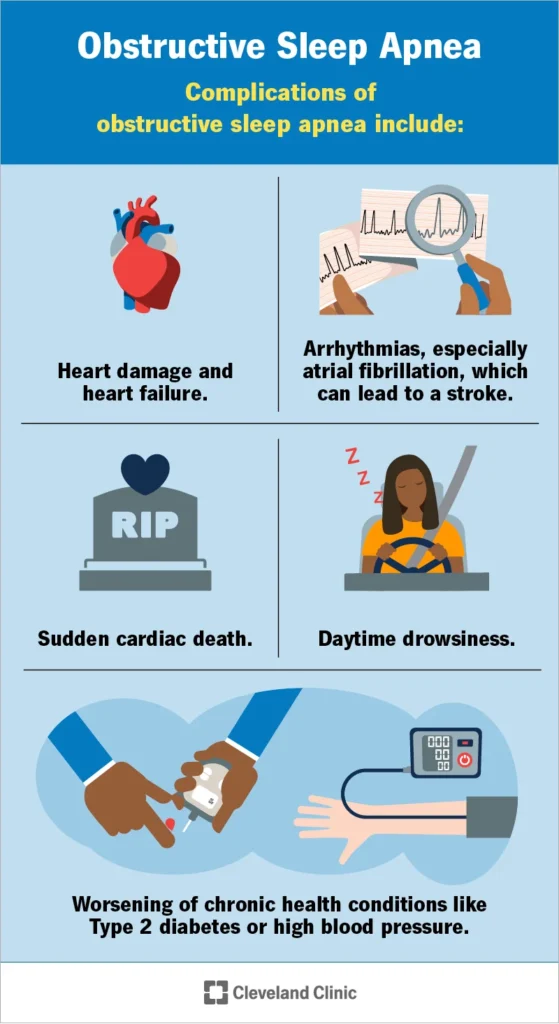
Snoring can be benign. It can also show up with sleep apnea symptoms, which major medical sources describe as repeated breathing disruptions during sleep.
If you have loud snoring plus pauses in breathing, morning headaches, or you’re fighting sleep during the day, don’t DIY your way past it. Talk with a clinician or a sleep specialist. A mouthpiece may still be part of care, but you’ll want the right pathway.
So where does an anti snoring mouthpiece fit?
Think of an anti snoring mouthpiece as a mechanical solution to a mechanical problem. If your snoring is tied to jaw position or the tongue falling back, an oral device may help keep the airway more open.
People are also talking about “connected care” oral appliances and sleep ecosystems. That’s a real direction in sleep health. Still, you don’t need a complicated setup to start learning what works for your body.
If you want to compare options without getting lost, review anti snoring mouthpiece and focus on comfort, adjustability, and how easy it is to stay consistent.
Quick buying checklist (budget-friendly, no fluff)
- Comfort: If it hurts, you won’t wear it. Consistency beats perfection.
- Fit approach: DIY fit can work for some; others do better with more precise fit options.
- Adjustability: Small changes can matter. Over-advancing can create jaw soreness.
- Cleaning routine: If it’s annoying to clean, it will end up on the nightstand.
- Timeline: Give it a fair trial window, not one night and a rage-quit.
FAQs: fast answers before you spend
Will a mouthpiece improve sleep quality?
It can, if snoring is causing micro-wakeups for you or your partner. Better breathing and fewer disruptions often translate to better sleep continuity.
What if my partner is the one snoring?
Make it a team problem, not a character flaw. Frame it as “let’s both sleep better,” not “you need to fix you.”
Can I combine a mouthpiece with a sleep routine hack?
Yes. A calmer routine helps you fall asleep; a mouthpiece may reduce the noise and wake-ups once you’re asleep.
What are signs I should stop and ask a professional?
Jaw pain that persists, tooth pain, worsening headaches, or any symptoms suggestive of sleep apnea are good reasons to pause and get guidance.
CTA: start simple, then get targeted
If you’re tired of experimenting nightly, take the direct route: identify your snoring pattern, run a short routine reset, and then trial a mouthpiece if it fits your “if…then…” branch.
How do anti-snoring mouthpieces work?
Medical disclaimer: This article is for general education and does not provide medical advice. Snoring can have many causes, including sleep apnea. If you have choking/gasping during sleep, witnessed breathing pauses, significant daytime sleepiness, or other concerning symptoms, seek evaluation from a qualified healthcare professional.