
Myth: Snoring is just a funny quirk that gets fixed by a new pillow or the latest sleep gadget.
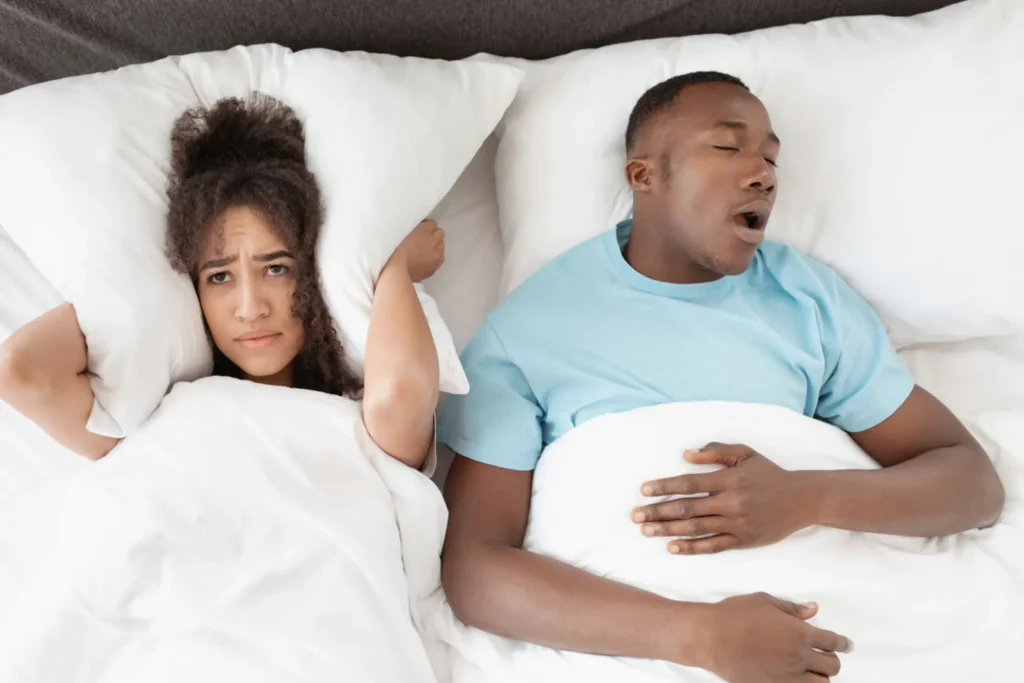
Reality: Snoring is often a sleep-quality problem for two people, and the “quick fix” carousel can waste time and money. If you want a practical next step, an anti snoring mouthpiece is one of the most talked-about tools right now for a reason: it targets anatomy, not vibes.
Big picture: why snoring is suddenly everywhere again
Snoring has become a mainstream topic, not a private embarrassment. Sleep tracking rings, smart alarms, and travel-friendly gadgets keep putting sleep metrics in your face. Add burnout, late-night scrolling, and frequent travel fatigue, and people notice snoring faster.
There’s also relationship math. One person’s “I’m fine” is the other person’s 3 a.m. elbow nudge. The humor is real, but so is the resentment when sleep debt stacks up.
The emotional side: what snoring does to your life (and your bed)
Snoring rarely stays in one lane. It affects mood, patience, and how you show up at work. When you’re already running on empty, even minor sleep disruption feels personal.
It can also turn bedtime into negotiation. Separate blankets become separate rooms, and “just tonight” becomes a pattern. If you want to keep the peace, you need a plan that’s simple enough to stick with.
Practical steps: a no-waste way to decide what to try
Step 1: Do a quick reality check on the pattern
Before you buy anything, get clear on when the snoring happens. Is it mostly on your back? Worse after alcohol? Worse during allergy season? A two-minute notes app log beats guessing.
If you use a sleep tracker, treat it like a clue, not a verdict. The goal is trend spotting: louder nights, shorter deep sleep, and morning headaches that line up with snoring reports.
Step 2: Start with the most likely “mechanical” fix
Many popular mouthpieces are mandibular advancement devices. They aim to hold the lower jaw slightly forward to reduce airway collapse during sleep. That’s why product reviews and roundups keep circling back to mouthpieces as a budget-friendly home trial.
For a general read on what people are comparing lately, see Still Snoring With a CPAP Machine?.
Step 3: Don’t mix ten fixes at once
It’s tempting to combine a nasal strip, a chin strap, a wedge pillow, and a new mouthpiece in one night. That makes it impossible to know what helped. Pick one primary change for a week, then reassess.
If mouth breathing is part of your pattern, a combo approach can be easier to test than stacking random add-ons. One option people look for is an anti snoring mouthpiece.
Safety and testing: how to try a mouthpiece without regretting it
Fit and comfort come first
A mouthpiece that “works” but hurts is not a win. Start with the least aggressive setting and adjust slowly if the design allows it. Mild awareness of the jaw can happen early on, but sharp pain is a stop sign.
Use a simple scorecard for 10–14 nights
Keep it boring and measurable. Track: (1) partner-reported snoring volume, (2) how many times someone woke up, (3) morning jaw tightness, and (4) daytime sleepiness.
If you travel for work, test at home first. New gear plus jet lag is a messy experiment, and you’ll blame the wrong thing.
Know when CPAP questions matter
Some people still report snoring even with CPAP. That can happen for different reasons, including leaks or congestion. If you’re on CPAP and snoring continues, treat it as a prompt to talk with your sleep clinician rather than self-adjusting.
Red flags you should not ignore
Get medical advice if you have choking or gasping at night, loud snoring with severe daytime sleepiness, or concerns like high blood pressure. Also pause use if a mouthpiece causes significant jaw pain, tooth discomfort, or bite changes.
Medical disclaimer: This article is for general education and does not diagnose, treat, or replace medical care. For persistent snoring, suspected sleep apnea, or significant symptoms, consult a qualified clinician or a sleep specialist.
FAQ: quick answers people want right now
Is snoring always a sign of sleep apnea?
No. Snoring can occur without sleep apnea. Still, loud frequent snoring plus choking/gasping or heavy daytime sleepiness should be evaluated.
What if I only snore when I’m exhausted or traveling?
That pattern is common. Travel fatigue, alcohol, and sleeping on your back can all make snoring more noticeable. A consistent home test helps you see if it’s occasional or becoming routine.
Are nasal dilators worth trying?
They can help some people breathe through the nose more easily. They may not fix throat-based snoring, so treat them as a targeted experiment, not a universal solution.
CTA: make the next step simple
If snoring is stealing sleep from you (or your partner), don’t spend another month cycling through random hacks. Pick one approach, test it, and track the outcome.