
Myth: The newest sleep hack will fix snoring overnight.
Reality: Snoring is usually a mechanics problem—airflow, soft tissue vibration, and positioning. You’ll get farther with a simple decision path than with viral tricks.
Snoring is having a moment in the culture again. People are buying sleep gadgets, swapping “travel fatigue” stories, joking about relationship negotiations, and blaming workplace burnout for restless nights. The noise can feel personal, but the fix is often practical.
First: skip the risky shortcut mentality
Some trends push extreme DIY moves, like taping your mouth shut. Doctors have raised concerns about mouth taping, especially if you have nasal blockage or breathing issues. If you want the broader context, see Why Doctors Say You Shouldn’t Tape Your Mouth Shut at Night.
A safer approach starts with what’s actually happening when you snore and how your sleep quality feels the next day.
If/Then decision guide: what to try next
Use these branches to narrow your next step. You don’t need a perfect diagnosis to make a smarter choice.
If your snoring is mostly “position snoring,” then change the setup first
If snoring is worse on your back or after long travel days, start with positioning. Side-sleeping, a supportive pillow, and avoiding heavy meals or alcohol close to bedtime can reduce vibration for many people.
Then reassess for a week. If your partner still hears you through the door, keep going down the tree.
If you wake with a dry mouth, then check airflow and comfort
Dry mouth can mean you’re breathing through your mouth at night. That can happen with congestion, allergies, or habit. Nasal comfort steps (like gentle saline rinses or sprays) may help some people, and recent research discussions have highlighted saline as a low-barrier option in certain pediatric sleep-disordered breathing situations.
If you’re an adult and congestion is frequent, treat the cause. Don’t force your mouth shut as a workaround.
If snoring is hurting your sleep quality, then an anti snoring mouthpiece may be the right tool
If you’re getting “enough hours” but still feel wrecked—foggy mornings, low patience, afternoon crashes—snoring may be fragmenting sleep. In that case, a properly fitted anti snoring mouthpiece can be a reasonable next step.
Many mouthpieces aim to improve airflow by gently moving the lower jaw forward (a mandibular advancement style). Less collapse usually means less vibration. Comfort matters, because a device you can’t tolerate won’t help your sleep health.
If you want to compare options, start here: anti snoring mouthpiece.
If your jaw feels sore, then adjust the “ICI basics” before you quit
Most mouthpiece drop-offs happen for predictable reasons. Think ICI:
- Insertion: Seat it the same way each night. Don’t bite down aggressively to “lock it in.”
- Comfort: Aim for secure, not tight. Mild adaptation discomfort can happen early on, but sharp pain is a stop sign.
- Improvement tracking: Measure outcomes. Is your partner hearing less snoring? Do you wake up fewer times? Do mornings feel easier?
Also check jaw positioning. Too much advancement can irritate the TMJ area. Too little may not change snoring. Small changes beat dramatic ones.
If you’re worried it’s more than snoring, then treat it as a health issue, not a joke
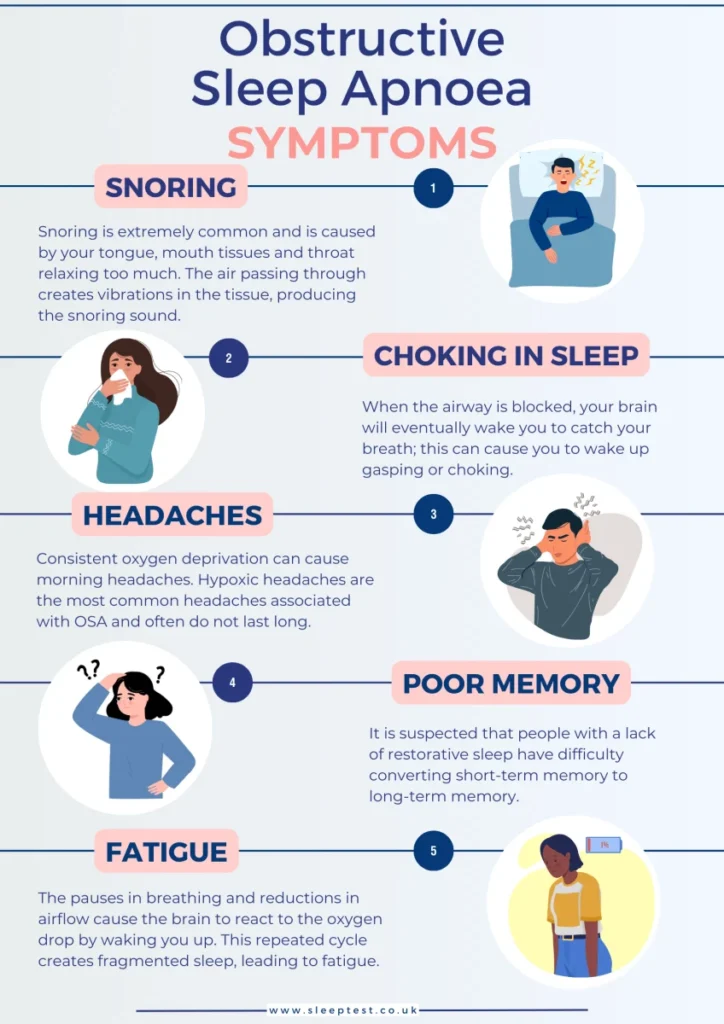
Relationship humor about snoring is everywhere for a reason. Still, some patterns deserve medical attention. If you have choking/gasping, witnessed breathing pauses, morning headaches, or severe daytime sleepiness, talk to a clinician and ask about evaluation for sleep-disordered breathing.
A mouthpiece can be helpful for certain snorers, but it’s not a substitute for medical care when red flags are present.
Quick routine: fit, positioning, cleanup
Fit check (60 seconds)
- It should feel stable without clenching.
- Your lips can rest naturally.
- You should be able to swallow comfortably.
Positioning cues (2 minutes)
- Try side-sleeping when possible.
- Keep the neck neutral (not cranked forward).
- Use a pillow height that doesn’t collapse your airway.
Cleanup (1 minute)
- Rinse with cool or lukewarm water after use.
- Gently brush with mild soap.
- Air-dry fully before storing to reduce odor and buildup.
FAQ: fast answers people are searching right now
Is an anti snoring mouthpiece the same as a night guard?
Not usually. Night guards target grinding. Anti-snoring devices typically target airflow by repositioning the jaw or tongue.
How fast should a mouthpiece help with snoring?
Some people notice a change quickly, but comfort and fit often take several nights. If you’re still exhausted, don’t ignore it.
Can I use mouth tape with a mouthpiece?
It’s generally not a good idea, especially if nasal breathing isn’t consistently clear. Address nasal comfort and device fit instead.
What if snoring is worse after travel or stressful weeks?
Travel fatigue and burnout can worsen sleep depth and increase congestion risk. Tighten basics first: schedule, hydration, and sleep position. Then evaluate whether a mouthpiece improves consistency.
How do I clean an anti-snoring mouthpiece?
Rinse, gently clean, and air-dry. Avoid harsh chemicals unless the manufacturer recommends them.
Bottom line: pick the tool that matches the problem
If you’re tempted by extreme hacks, pause. Snoring solutions work best when they match your airway, your sleep position, and your comfort limits. For many people, a well-chosen mouthpiece plus a simple routine is more realistic than chasing the trend of the week.
How do anti-snoring mouthpieces work?
Medical disclaimer: This article is for general education only and is not medical advice. Snoring can sometimes signal a sleep-related breathing disorder. If you have severe daytime sleepiness, choking/gasping at night, witnessed breathing pauses, chest pain, or worsening symptoms, seek care from a qualified clinician.