
Snoring is having a moment. Not the fun kind.
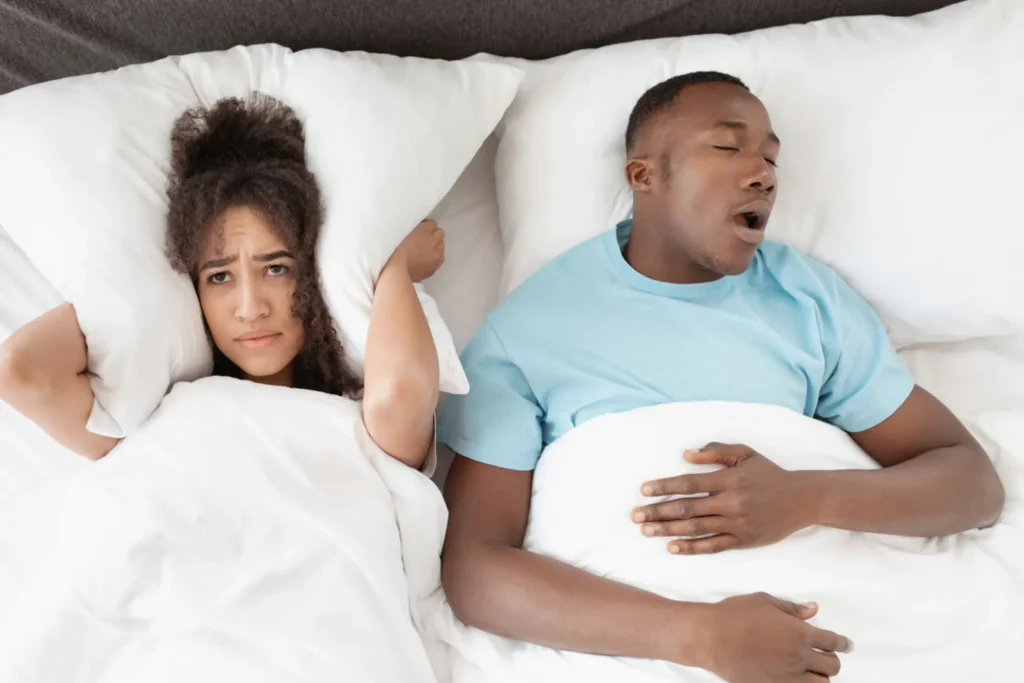
Between sleep gadgets, “hacks,” and travel fatigue, lots of people are waking up tired and blaming their pillow. Often, it’s the airway.
Thesis: If you want better sleep quality on a budget, treat snoring like a simple system—timing, setup, and one tool that’s actually designed for the job: an anti snoring mouthpiece.
Quick overview: what’s driving the snore conversation right now
Sleep health is trending for a reason. People are burned out, working late, and trying to recover on weekends. That’s a recipe for lighter sleep and more snoring complaints from partners.
Seasonal changes matter too. In colder months, dry indoor air and congestion can make breathing feel harder at night. Some coverage has also discussed how winter conditions can worsen sleep-disordered breathing for certain people. If you want context, see Why Winter Can Make Sleep Apnea Worse.
Meanwhile, social feeds keep pushing extreme “solutions,” like taping your mouth shut. It’s attention-grabbing, but it’s not a universal or risk-free idea. Practical beats viral.
Timing: when to work on snoring (so you don’t waste a cycle)
If your snoring spikes after late nights, heavy meals, alcohol, or long travel days, start there. You’ll get the fastest wins by fixing the hours before bed.
A simple rule that shows up often in sleep advice: stop working well before bedtime. Your brain needs a runway to downshift. That same downshift can reduce tossing, mouth breathing, and “half-awake” arousals that wreck sleep quality.
Also track when snoring is worst. Back sleeping, congestion, and end-of-week exhaustion are common patterns. Patterns tell you what to try first.
Supplies: your no-drama snoring kit
Core items
- A notebook or phone note for a 7-night log (snoring intensity, wake-ups, morning feel)
- Water + basic nasal comfort support (saline rinse or spray, if tolerated)
- A positional helper if you back-sleep (side-sleep pillow or a simple barrier)
- An anti snoring mouthpiece if your snoring seems jaw/position related
Skip-the-hype items (for now)
- Random gadgets that promise “instant airway opening” without fit or comfort focus
- Extreme hacks that limit breathing options (especially if you get congested)
If you’re comparing devices, start with purpose-built options. Here are anti snoring mouthpiece to review before you spend on the next bedside trend.
Step-by-step (ICI): Identify → Choose → Iterate
1) Identify what “bad sleep” looks like in your house
Don’t guess. For one week, write down:
- Snoring volume (light / medium / loud)
- Position (side vs. back)
- Alcohol or heavy dinner timing
- Congestion level
- Daytime sleepiness and morning headache
This keeps you from buying three gadgets because of one rough night.
2) Choose the first lever with the best payoff
Use this quick filter:
- Mostly back-sleeping? Try positional changes first.
- Mostly congestion/dry air? Fix nasal comfort and bedroom humidity.
- Seems jaw/airway-position related? Consider an anti snoring mouthpiece.
Mouthpieces are popular because they’re a single purchase and don’t require charging, apps, or nightly troubleshooting. That matters when you’re already tired.
3) Iterate without overcorrecting
Change one thing at a time for 3–4 nights. If you stack changes, you won’t know what worked.
If you add a mouthpiece, focus on comfort and consistency. A device you can’t tolerate won’t improve sleep quality, even if it’s “the best” on paper.
Mistakes that keep snoring (and bad sleep) going
Chasing the loudest trend
Viral sleep hacks are optimized for clicks, not your airway. If you can’t breathe well through your nose, anything that restricts options can backfire.
Ignoring possible sleep apnea signs
Snoring can be harmless, but it can also be a flag. If you notice pauses in breathing, gasping, or crushing daytime fatigue, don’t DIY your way around it. Get evaluated.
Expecting instant perfection
Sleep is a system. Travel fatigue, workplace burnout, and stress can all make snoring worse. Give changes a fair test, then adjust.
FAQ: fast answers on mouthpieces and sleep health
Is an anti snoring mouthpiece the same as a night guard?
Not always. Some night guards mainly protect teeth from grinding. Anti-snoring mouthpieces are designed to support airway mechanics, depending on the style.
What if my partner says the snoring is “funny,” but I feel awful?
Jokes are common, especially in relationships. Still, your daytime sleepiness matters. Track symptoms and take them seriously.
Can better bedtime habits make a mouthpiece work better?
Often, yes. Earlier wind-down, less late work, and fewer heavy late meals can reduce the load on your breathing at night.
CTA: make the next step simple
If you’re tired of guessing, start with one practical tool and a short test window. Compare designs, comfort, and fit before you buy.
How do anti-snoring mouthpieces work?
Medical disclaimer: This article is for general education only and isn’t medical advice. Snoring can be a symptom of obstructive sleep apnea or other conditions. If you have choking/gasping, witnessed breathing pauses, chest pain, severe daytime sleepiness, or worsening symptoms, seek evaluation from a qualified clinician.