
Snoring is a common problem that affects millions of people worldwide, and it can be a nuisance for both the snorer and their partner. Not only does snoring disrupt sleep, but it can also lead to more serious health issues such as sleep apnea. One of the main causes of snoring is the misalignment of the jaw, which can be corrected with some simple tips and exercises. In this blog post, we will explore the connection between snoring and jaw alignment and provide you with practical ways to stop snoring and improve your jaw alignment.
Understanding the Link between Snoring and Jaw Alignment
To understand how jaw alignment affects snoring, we must first understand the anatomy of the jaw and throat. The jaw is connected to the skull by a joint called the temporomandibular joint (TMJ). This joint is responsible for jaw movement, such as chewing and speaking. When the jaw is not aligned properly, it can cause the airway in the throat to become restricted, leading to snoring.
Additionally, the tongue is also connected to the jaw and plays a crucial role in snoring. When the jaw is not aligned, the tongue can fall back and block the airway, causing snoring. As we age, the muscles and tissues in the throat also become weaker, making it easier for the tongue to block the airway and cause snoring.
Tips to Improve Jaw Alignment and Stop Snoring
1. Practice Jaw Exercises
There are specific exercises that can help strengthen the muscles in your jaw and improve its alignment. One simple exercise is to place your thumb under your chin and gently push your jaw forward. Hold this position for a few seconds and then release. Repeat this exercise 10 times, twice a day, to help improve jaw alignment.
Another exercise is to place your fist under your chin and open your mouth, pushing down gently on your fist. This exercise helps to strengthen the muscles in the jaw and can also help reduce snoring.
2. Use a Mandibular Advancement Device (MAD)
Stop Snoring and Improve Your Jaw Alignment with These Simple Tips
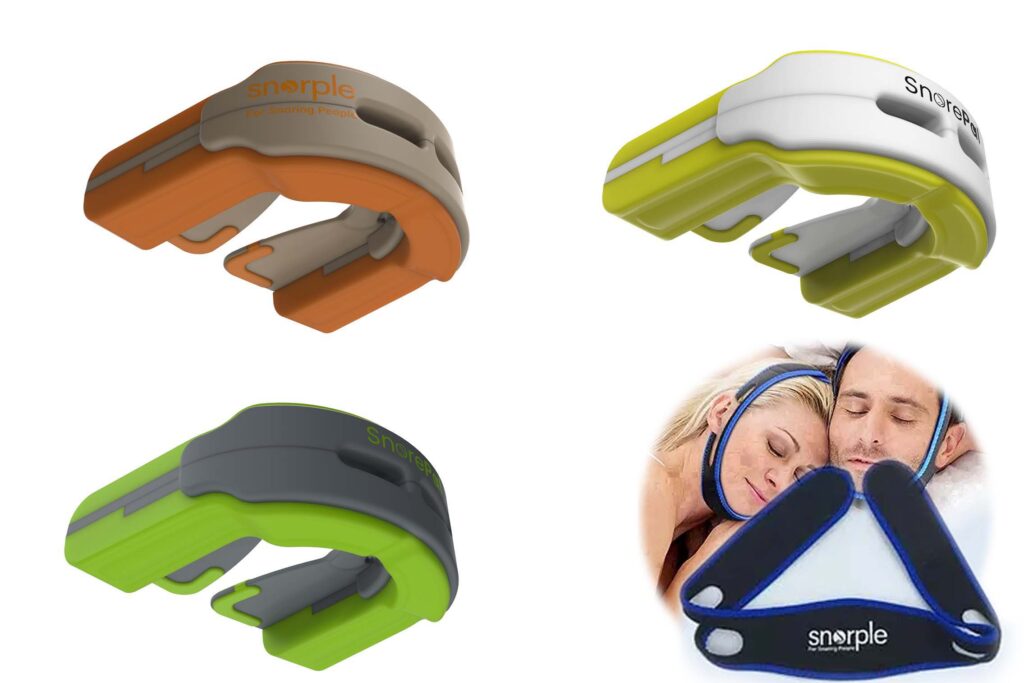
A mandibular advancement device is a mouthpiece that is worn at night to keep the jaw in a forward position and prevent the tongue from falling back and blocking the airway. This device is custom-made to fit your mouth and can be an effective solution for those with jaw misalignment and snoring.
3. Maintain Good Posture
Believe it or not, your posture can also affect your jaw alignment and snoring. When we slouch, our head and neck are not in proper alignment, which can cause tension in the jaw and throat muscles. This tension can lead to jaw misalignment and snoring. To improve your posture, make a conscious effort to sit and stand up straight, and avoid slouching.
4. Avoid Sleeping on Your Back
Sleeping on your back can worsen snoring and jaw misalignment. When we sleep on our back, our tongue and soft tissues in the throat can collapse and block the airway. This sleeping position also puts pressure on the jaw joint, causing it to become misaligned. To avoid this, try sleeping on your side or stomach.
5. Consult a Dentist or Orthodontist
If your snoring and jaw misalignment are severe, it may be beneficial to consult a dentist or orthodontist. They can assess the alignment of your jaw and may recommend orthodontic treatment or dental appliances to correct the issue.
Summary:
Snoring is a common problem that can be caused by jaw misalignment. The jaw is connected to the throat and plays a crucial role in snoring. To stop snoring and improve jaw alignment, one can practice jaw exercises, use a mandibular advancement device, maintain good posture, avoid sleeping on the back, and consult a professional if the issue is severe. By incorporating these simple tips into your daily routine, you can improve your jaw alignment and enjoy a snore-free sleep.