
Is your snoring getting louder—or just more annoying now?
Are sleep gadgets and “quick fixes” making it harder to pick a real plan?
Do you want a practical way to try an anti snoring mouthpiece without wrecking comfort?
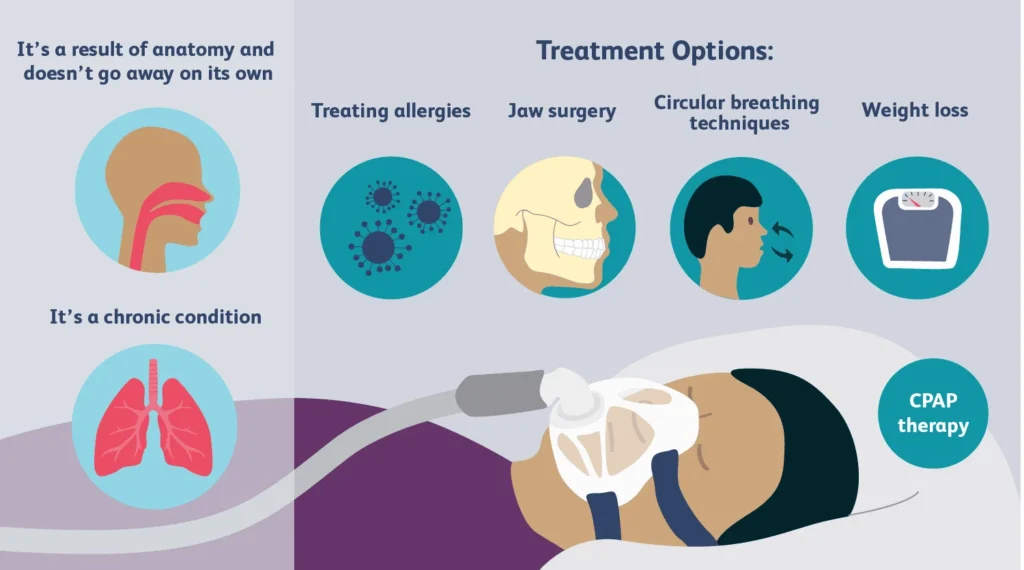
Yes, snoring is having a moment. Between travel fatigue, wearable sleep scores, and relationship jokes about “who sounded like a leaf blower,” people are paying attention. The useful move is simple: improve airflow and positioning, then track whether sleep quality actually improves.
This guide covers what people are talking about right now—snoring, insomnia, and sleep apnea overlap—and how to use a mouthpiece with a clean, repeatable routine.
Overview: why snoring and sleep quality are linked
Snoring is vibration from partially blocked airflow. That blockage can come from nasal congestion, soft tissue collapse, or jaw/tongue position. Even when you’re “asleep,” your body can keep fighting for airflow, which fragments sleep.
Recent guideline chatter has also highlighted a reality many people live with: insomnia and sleep apnea can show up together. That matters because “I can’t sleep” and “I snore” may be part of the same picture, not two separate problems. If you want more context, see this related coverage: New clinical practice guideline recognizes insomnia and sleep apnea can occur together.
An anti-snoring mouthpiece (often a mandibular advancement device) aims to move the lower jaw slightly forward. That can reduce airway collapse for some snorers. It’s not a cure-all, but it’s a concrete tool you can test with a consistent setup.
Timing: when to try a mouthpiece (and when to pause)
Good times to test
- After a week of rough sleep from travel, late nights, or workload spikes, when your partner reports louder snoring.
- When your snoring is position-driven (worse on your back, better on your side).
- When you can run a 10–14 night trial without constantly changing other variables.
Times to slow down and get guidance
- Possible sleep apnea signs: choking/gasping, witnessed breathing pauses, heavy daytime sleepiness, morning headaches.
- Jaw or dental issues: TMJ pain, loose teeth, recent dental work, or gum disease symptoms.
- Kids and sleep breathing symptoms: children should be evaluated by a pediatric clinician rather than “DIY” devices. (Some headlines also discuss nasal saline and pediatric symptoms, but kids need clinician-directed care.)
Supplies: what you need for a clean, repeatable setup
- Mouthpiece (and any fitting tools included).
- Mirror + good lighting for consistent positioning.
- Timer (phone is fine) for boil/fit steps if your device uses them.
- Soft toothbrush dedicated to the device.
- Mild soap (or manufacturer-approved cleaner).
- Storage case that vents and stays dry.
If you want a combined approach for jaw position plus keeping the mouth closed, consider a anti snoring mouthpiece. Some people find that reduces dry mouth and “mouth falling open” snoring.
Step-by-step (ICI): install, check, improve
This is the no-drama routine. It’s built for consistency, not perfection.
I = Install (fit + place it the same way every night)
- Follow the exact fitting method for your device (boil-and-bite or adjustable). Don’t freestyle the temperature or timing.
- Seat it firmly so it doesn’t wobble. A loose fit can increase noise and irritation.
- Start conservative if it advances the jaw. Too much forward movement can trigger jaw soreness fast.
C = Check (comfort, breathing, and partner feedback)
- Do a 60-second comfort scan: jaw tension, tooth pressure points, gum pinching, tongue crowding.
- Check nasal breathing: if your nose is blocked, you may fight the device all night. Address congestion with basic, safe steps (like humidification) and talk to a clinician if it’s chronic.
- Track outcomes: fewer wake-ups, less dry mouth, partner reports. Your sleep score is optional; your mornings are the real metric.
I = Improve (tiny adjustments, then repeat)
- Adjust in small increments (when applicable). Give each change 2–3 nights before changing again.
- Pair with position support: side-sleeping often helps. Use a pillow or simple positioning trick rather than buying five new gadgets.
- Clean every morning so odor and residue don’t become the reason you quit.
Mistakes that make mouthpieces fail (even when the device is fine)
1) Changing everything at once
If you add a new pillow, a new mouthpiece, a new supplement, and a new bedtime, you won’t know what helped. Pick one main change for two weeks.
2) Over-advancing the jaw on night one
More forward is not always better. Comfort drives consistency, and consistency drives results.
3) Ignoring insomnia patterns
If you’re lying awake stressed, the mouthpiece won’t fix the root issue. It can still reduce snoring, but you may need separate insomnia support. That overlap is exactly why recent guideline discussions are getting attention.
4) Skipping cleaning and storage
Residue can irritate gums and make the device smell. A quick daily clean prevents the “I can’t stand it anymore” moment.
5) Treating loud snoring like a joke when it’s a signal
Relationship humor is normal, but symptoms matter. If there are apnea red flags, get evaluated. You can still use practical tools, but don’t use them to avoid care.
FAQ
Does an anti snoring mouthpiece help sleep quality?
It can, if your snoring is disrupting sleep through airway narrowing or arousals. Better breathing often means fewer micro-wake-ups and less morning grogginess.
What if I only snore when I’m exhausted or traveling?
That’s common. Travel fatigue, alcohol, and weird sleep positions can amplify snoring. Use the same ICI routine for a short trial, and keep the rest of your routine stable.
Is it normal to drool at first?
Yes. Salivation often increases during the adjustment phase. It usually improves as your mouth adapts and your fit stabilizes.
Can a mouthpiece replace a sleep apnea evaluation?
No. If sleep apnea is suspected, a clinician should evaluate you. Mouthpieces may be part of a plan, but they’re not a diagnosis.
CTA: get a simple plan you can stick with
If your goal is fewer complaints, fewer wake-ups, and a calmer morning, keep it simple: fit, check, improve. Then repeat for two weeks before you judge results.
How do anti-snoring mouthpieces work?
Medical disclaimer: This article is for general education only and isn’t medical advice. Snoring can be a sign of obstructive sleep apnea or other health conditions. If you have choking/gasping, witnessed pauses in breathing, significant daytime sleepiness, chest pain, or persistent symptoms, seek evaluation from a qualified clinician.