
Before you try another sleep gadget, run this quick checklist:
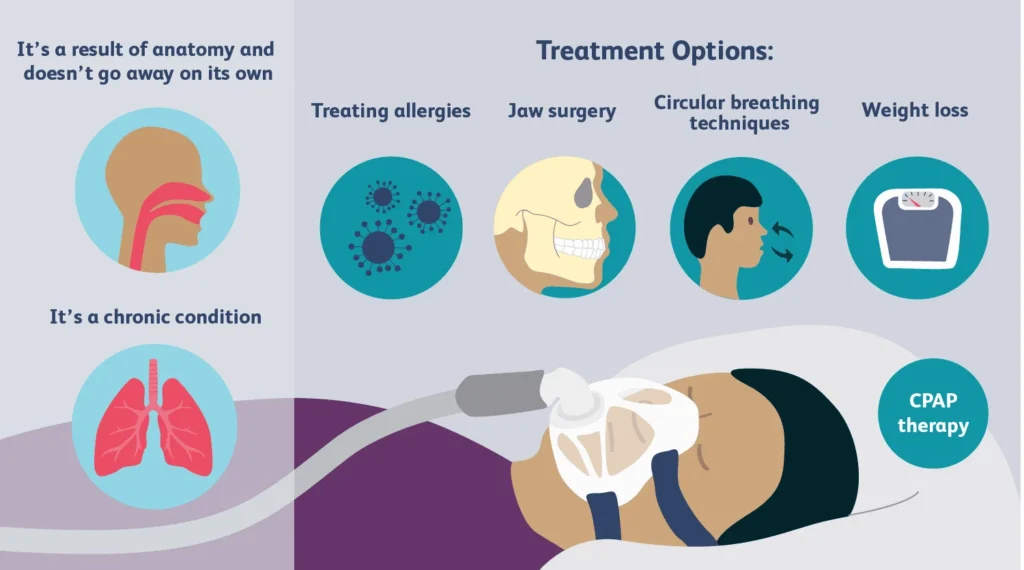
- Is it snoring… or a possible breathing problem? Loud snoring plus choking/gasping, witnessed pauses, or heavy daytime sleepiness needs a medical check.
- Is the goal quieter nights or better sleep quality? They overlap, but track both.
- Can you commit to a 10–14 day test? Most at-home options need a short adjustment window.
- Do you have jaw pain or major dental issues? If yes, get professional input before forcing it.
Overview: Why snoring is trending again (and why it matters)
Snoring used to be a punchline. Now it’s part of the bigger “sleep health” conversation—right next to wearable sleep scores, five-minute wind-down hacks, and the New Year push to reset routines. Add travel fatigue, late-night scrolling, and workplace burnout, and a lot of people are asking the same question: “Why am I exhausted if I was in bed for eight hours?”
Another shift is happening too. More headlines are pushing back on the idea that snoring is always harmless. Some snoring is just noisy. Other times, it can be a clue that your breathing is being disrupted during sleep. If you want a deeper myth-busting angle, this search-style resource is a helpful starting point: What Misconceptions About Obstructive Sleep Apnea Would You Like to Bust?.
Bottom line: an anti snoring mouthpiece can be a practical, budget-friendly step when snoring is position-related. It’s not a cure-all, and it’s not the right tool for every cause.
Timing: When to test a mouthpiece (and when not to wait)
Good time to try one: you snore most nights, it’s worse on your back, and your partner can hear it through a pillow wall. You wake up with a dry mouth, but you don’t have major red flags.
Don’t “DIY” your way past these signs:
- Waking up choking, gasping, or with a racing heart
- Witnessed breathing pauses
- Severe daytime sleepiness (dozing at work or while driving)
- High blood pressure or heart concerns alongside loud snoring
Those patterns can line up with obstructive sleep apnea, which deserves evaluation. Treating sleep-disordered breathing can matter for long-term health, not just peace and quiet.
Supplies: What you need for a no-waste at-home trial
- A simple tracker: notes app, sleep app, or a paper log
- One objective signal: partner rating (0–10) or a snore-recording app
- Basic comfort supports: water at bedside, nasal saline if you get dry
- A realistic mouthpiece option: consider a combo approach if mouth-opening is part of the problem
If you suspect your mouth falls open at night (dry mouth, loud “open-mouth” snoring, partner reports), a combo product can be worth considering. Example: anti snoring mouthpiece.
Step-by-step (ICI): Identify → Customize → Iterate
1) Identify your snoring pattern (3 nights)
Don’t guess. Get a baseline for three nights.
- Rate snoring: partner score or app score
- Rate sleep quality: morning energy (0–10) and number of awakenings
- Note triggers: alcohol, late meal, congestion, back-sleeping, travel day
This is where the “sleep trend” talk actually helps. The best gadget is the one that gives you a consistent signal you can compare week to week.
2) Customize the fit (night 1–3)
Follow the product instructions closely. Most frustration comes from rushing this part. If it’s a boil-and-bite style, aim for snug and stable, not aggressively tight.
- Comfort test: wear it for 10–20 minutes before sleep while winding down
- Jaw check: you should be able to relax your face, not clench
- Breathing check: nasal breathing should still feel possible
3) Iterate for results (days 4–14)
Think of this like tuning a backpack strap. Small changes beat dramatic ones.
- Keep one variable stable: same bedtime window most nights
- Stack one small sleep habit: a short pre-bed “shutdown” to reduce overthinking
- Re-check triggers: travel fatigue and burnout weeks can spike snoring
If a “fall asleep fast” hack helps you knock out quicker, great. Just don’t confuse faster sleep onset with better breathing all night. Your goal is fewer disruptions, not simply earlier unconsciousness.
Mistakes that waste a whole month (and how to avoid them)
Using pain as a normal “break-in” signal
Mild oddness is common. Sharp jaw pain, tooth pain, or headaches are not a badge of progress. Stop and reassess fit.
Chasing every trend at once
New pillow, new supplement, new mouthpiece, new bedtime, new tracker—then you can’t tell what worked. Change one major thing at a time.
Ignoring nasal congestion
If your nose is blocked, you’ll default to mouth breathing. That can overpower a decent plan. Address dryness and congestion with simple, non-medicated comfort steps when appropriate.
Treating relationship friction as the only problem
Yes, snoring jokes are everywhere. But the real cost is fragmented sleep for both people. Poor sleep shows up as irritability, cravings, and fog at work.
FAQ
Can an anti snoring mouthpiece improve sleep quality?
It can, especially when snoring is driven by jaw and tongue position. Many people notice fewer wake-ups and less partner disturbance when the fit is right.
What’s the difference between snoring and obstructive sleep apnea?
Snoring is sound from vibrating tissues. Obstructive sleep apnea involves repeated breathing interruptions during sleep and needs medical evaluation and treatment.
How fast should a mouthpiece work?
Some people notice a change the first night. Give it about 1–2 weeks for comfort and positioning to stabilize, unless you have pain or worsening symptoms.
Are boil-and-bite mouthpieces safe?
Many are designed for at-home fitting, but comfort and dental health matter. Stop use if you get jaw pain, tooth pain, or bite changes and consider a clinician’s guidance.
What if I snore only when traveling or after drinking?
Travel fatigue, congestion, and alcohol can all increase snoring. A mouthpiece may help, but also focus on nasal breathing, sleep timing, and alcohol timing.
CTA: Run a 14-night test you can actually stick to
If you want a practical starting point, choose one mouthpiece option, track results for two weeks, and don’t overcomplicate it. The win is quieter nights and better mornings.
How do anti-snoring mouthpieces work?
Medical disclaimer: This article is for general education only and is not medical advice. Snoring can be a symptom of obstructive sleep apnea or other conditions. If you have choking/gasping, witnessed pauses in breathing, significant daytime sleepiness, chest pain, or cardiovascular concerns, seek evaluation from a qualified clinician.