
Before you try another “miracle” sleep gadget, run this quick checklist:
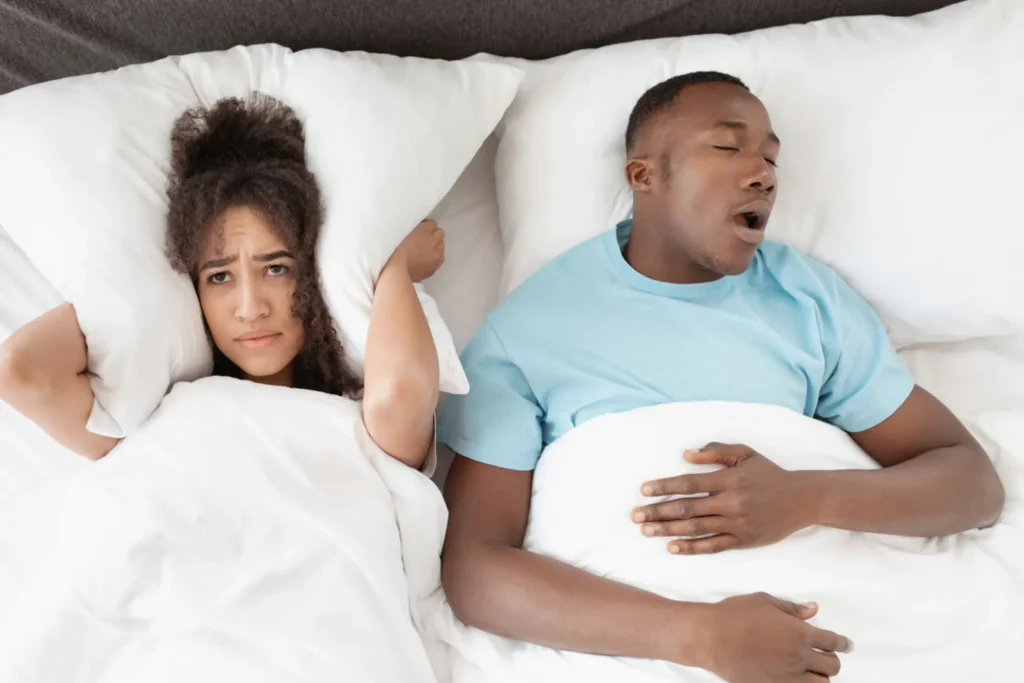
- Is the snoring new (after travel, illness, weight change, or a stressful work stretch)?
- Is your sleep quality dropping (waking up unrefreshed, morning headaches, dry mouth)?
- Is it a relationship problem (the “I love you, but I need a separate pillow fortress” phase)?
- Are you buying fixes on repeat (tape, sprays, apps, trackers) without a clear plan?
If you want a budget-friendly, at-home step, an anti snoring mouthpiece is one of the more practical options to consider. It’s not hype-proof. It is plan-friendly.
Is your snoring just noise—or a sleep health signal?
Snoring can be a simple annoyance. It can also be a sign that your airway is narrowing during sleep. That’s why snoring keeps showing up in broader conversations about sleep quality, longevity, and burnout.
People are tracking sleep like steps now. They compare scores, chase “perfect” recovery, and pack sleep gadgets for work trips. The cultural trend is clear: better sleep feels like a shortcut to feeling younger and functioning better. Still, the basics matter more than the dashboard.
If you notice loud snoring plus choking/gasping, frequent awakenings, or heavy daytime sleepiness, don’t treat it like a joke. Use this as a starting point for learning about Over 40? The 7:1 sleep rule is the single most important ‘longevity hack’ you aren’t doing and consider a medical evaluation.
What’s the fastest, no-waste way to improve sleep quality this week?
Skip the complicated overhaul. Aim for the moves that reduce snoring triggers and protect sleep depth.
Start with the “cheap wins”
- Side-sleeping when possible. Back-sleeping often worsens snoring.
- Alcohol timing: avoid it close to bedtime if snoring spikes after drinks.
- Nasal comfort: congestion can push you into mouth-breathing.
- Consistent sleep window: not perfect, just steady. Travel fatigue and late-night scrolling are common snore multipliers.
These steps cost little. They also make it easier to tell whether a mouthpiece is actually helping, instead of changing five things at once.
Which type of anti-snoring mouthpiece is worth trying first?
Most anti-snoring mouthpieces fall into two buckets:
- Mandibular advancement styles that gently position the lower jaw forward.
- Tongue-stabilizing styles that focus on tongue position.
For many snorers, jaw and tongue position are the practical targets. That’s why mouthpieces stay popular even as sleep tech gets flashier.
How do you tell if a mouthpiece is a smart buy (or a drawer filler)?
Use a simple decision filter before you spend money:
1) Comfort and compliance beat “features”
If it’s bulky or painful, you won’t wear it. An effective product you hate is functionally useless.
2) Look for a setup you can repeat nightly
Burnout brains need low-friction routines. The best sleep tool is the one you can use on a Tuesday after a long shift, not only on weekends.
3) Consider mouth-breathing and jaw drop
If you wake with a dry mouth or your partner notices open-mouth snoring, jaw drop may be part of the pattern. In that case, a combined approach can be appealing.
If you’re exploring that route, here’s a relevant option: anti snoring mouthpiece.
What should you watch for after you start using a mouthpiece?
Track outcomes that matter. Ignore the noise.
- Partner reports: fewer wake-ups, less volume, fewer nudges.
- Your mornings: less dryness, fewer headaches, better energy.
- Your nights: fewer awakenings and less tossing around.
Give it a fair trial, but don’t grind through real pain. Jaw soreness that doesn’t improve, tooth pain, or bite changes are reasons to pause and get professional input.
When is snoring a “stop guessing” moment?
Snoring plus any of the signs below deserves a clinician conversation, not another online cart checkout:
- Gasping, choking, or witnessed breathing pauses
- Significant daytime sleepiness or dozing off easily
- High blood pressure concerns or persistent morning headaches
- Snoring that ramps up quickly without an obvious cause
Sleep apnea is a medical condition. It’s also a topic that comes up in news, workplace wellness talk, and even benefits discussions. If you suspect it, get evaluated.
CTA: Ready to pick a plan instead of collecting gadgets?
Start simple: reduce common triggers, then test a mouthpiece consistently so you can judge results without wasting a cycle.
How do anti-snoring mouthpieces work?
Medical disclaimer: This article is for general education only and is not medical advice. Snoring can have many causes, including sleep apnea. If you have symptoms like choking/gasping, breathing pauses, or severe daytime sleepiness, seek evaluation from a qualified healthcare professional.