
Before you try another sleep gadget, run this checklist.
- Confirm the problem: is it snoring noise, poor sleep quality, or both?
- Check the timing: did it spike after travel, a schedule shift, or a stressful work stretch?
- Try the free fixes first: position, alcohol timing, nasal support, and a consistent wind-down.
- Then consider a tool: an anti snoring mouthpiece can be a practical, at-home option for the right person.
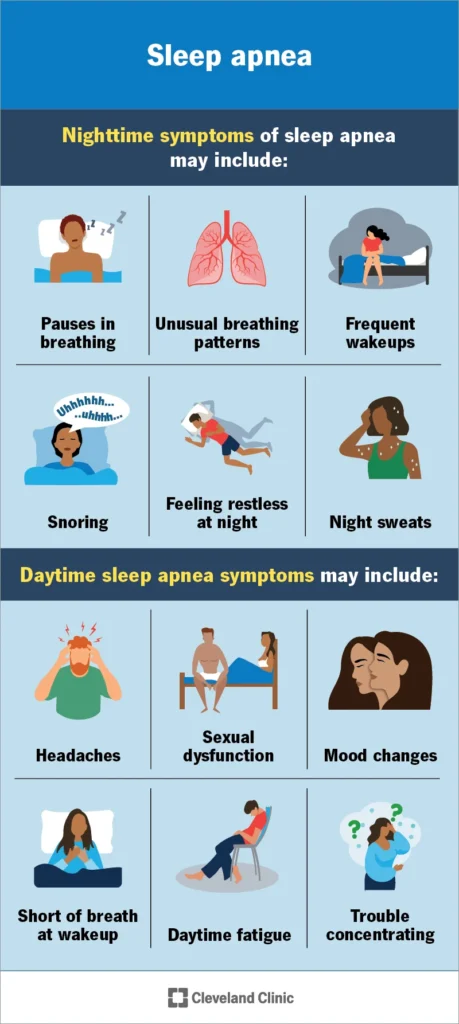
- Know the red flags: choking/gasping, witnessed breathing pauses, or severe daytime sleepiness needs medical input.
The big picture: why snoring is suddenly everyone’s topic
Sleep is having a moment. People are comparing wearables, debating “sleep scores,” and buying travel pillows like they’re performance gear. At the same time, work stress and burnout are real, and a noisy night can turn a normal week into a foggy one.
Snoring sits right in the middle of that cultural swirl. It’s personal (it happens in your bedroom), social (it affects a partner), and practical (you want a fix that doesn’t waste another month).
Schedule changes can make it louder, too. Even small clock shifts can disrupt routine and leave you more sensitive to wake-ups. If you’re looking for broader context, here’s a helpful read framed around I asked 5 doctors for their best ever sleep hygiene tips to fall asleep fast and reverse 3 a.m. wake-ups — here’s what they said.
The emotional side: it’s not “just noise”
Snoring can turn bedtime into negotiation. One person wants closeness; the other wants silence. Jokes about “sleep divorce” land because they’re relatable, not because they’re ideal.
If this is showing up in your relationship, treat it like a shared problem. The goal is better sleep quality for both of you, not blame. A calm plan beats another late-night argument at 3:07 a.m.
A budget-minded plan that doesn’t waste a cycle
Step 1: Reduce the easy triggers (free or low-cost)
Start with what changes fast. These steps won’t solve every case, but they often make snoring less intense and sleep less fragile.
- Side-sleeping support: a body pillow or simple positioning trick can help if snoring is worse on your back.
- Alcohol timing: for some people, drinking close to bedtime makes snoring louder and sleep more fragmented.
- Nasal comfort: congestion can push you toward mouth breathing. Gentle nasal support (like humidity) may help.
- Wind-down consistency: pick a short routine you can repeat even during travel weeks.
Step 2: If you wake at 3 a.m., stop “problem-solving” in bed
Those early-morning wake-ups are a common complaint in sleep conversations right now. When you’re tired, it’s tempting to start scrolling, checking the time, or mentally reviewing tomorrow’s meeting.
Instead, keep the response boring and consistent. Dim light, minimal stimulation, and a calm reset routine usually beats a new supplement or yet another app. If snoring is waking you (or your partner is nudging you), addressing the snoring can still be part of the fix.
Step 3: Add an anti snoring mouthpiece if the pattern fits
If snoring seems tied to jaw position or mouth breathing, an anti snoring mouthpiece may be worth testing. Many designs aim to keep the airway more open by gently guiding the lower jaw forward or encouraging a more stable mouth posture.
Keep expectations realistic. A mouthpiece is a tool, not a personality transplant. The win is fewer wake-ups, less partner disturbance, and better mornings.
If you want a starting point, browse anti snoring mouthpiece and compare comfort features, adjustability, and fit approach.
Safety and “is this snoring or something else?”
Snoring can be harmless, but it can also overlap with sleep-disordered breathing. Don’t self-diagnose from a meme or a smartwatch graph.
- Consider a medical check if there are witnessed breathing pauses, choking/gasping, morning headaches, or major daytime sleepiness.
- Be cautious with mouthpieces if you have jaw pain, TMJ issues, loose teeth, significant dental work, or gum disease.
- Track outcomes simply: partner reports, how you feel in the morning, and whether you’re waking less.
Medical disclaimer: This article is for general education and does not replace medical advice. If you suspect sleep apnea or have significant symptoms, talk with a qualified clinician or a sleep specialist.
FAQ: quick answers people are searching for
Will a mouthpiece help with travel fatigue?
It can help reduce snoring-related disruptions in unfamiliar sleep environments. Travel fatigue also involves schedule shifts, light exposure, and stress, so pair tools with a steady routine.
What if my partner snores and won’t do anything?
Make it about shared sleep quality, not criticism. Offer a simple trial: two weeks of basic sleep hygiene changes, then one new tool if needed.
Do wearables accurately detect snoring?
They can hint at patterns, but they’re not definitive. Use them as a prompt to observe trends, not as a diagnosis.
CTA: make the next step simple
If you’re ready to test a practical option at home, start with one change you can keep. Then add a mouthpiece if it matches your snoring pattern and comfort needs.