
Before you try anything tonight, run this checklist.
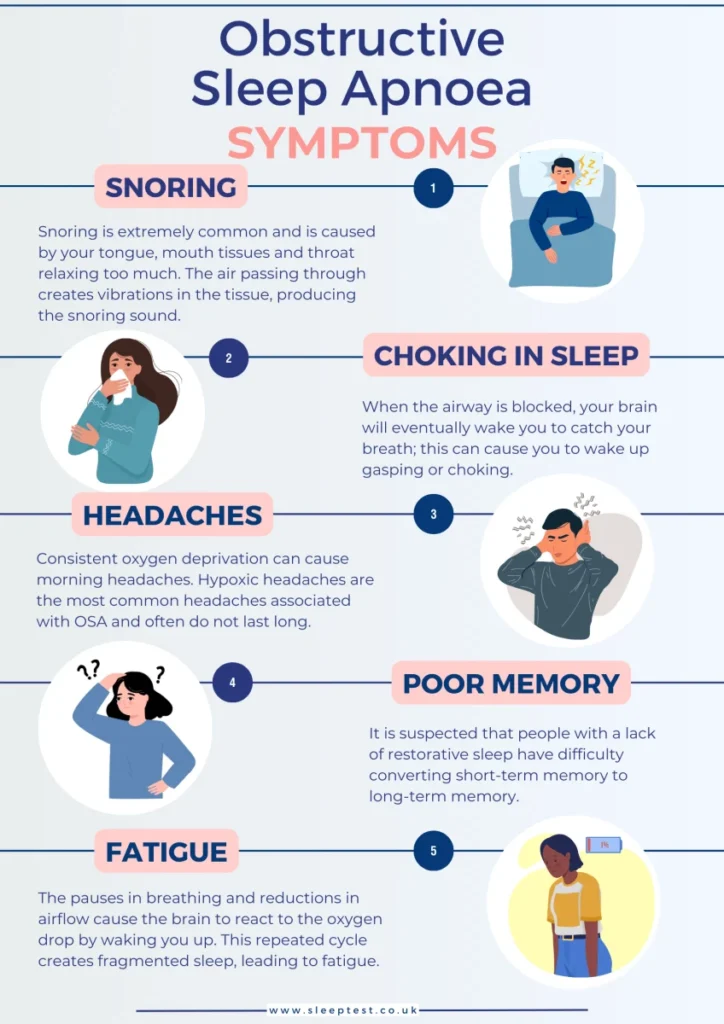
- Safety first: Are there red flags like choking/gasping, witnessed breathing pauses, morning headaches, or heavy daytime sleepiness?
- Relationship reality: Are you and your partner stuck in the “you snore / you nudge / nobody sleeps” loop?
- Trend trap: Are you buying gadgets because you’re tired, burned out, and desperate for a quick fix?
- Goal: Reduce snoring and protect sleep quality, not just make the room quieter.
Overview: why snoring is everywhere right now
People are talking about sleep like it’s a performance metric. Wearables score you. Apps rank you. Friends swap “sleep hacks” the way they used to swap workout plans.
At the same time, real-world stress keeps climbing. Travel fatigue, late-night scrolling, and workplace burnout all push sleep later and make it lighter. That’s when snoring turns from “annoying” into “relationship negotiations at 2 a.m.”
There’s also more public attention on snoring and sleep apnea education, including professional discussions and community events focused on diagnosis and treatment advances. If you want a general starting point on what clinicians are watching, see 31st Annual Advances in Diagnosis and Treatment of Sleep Apnea and Snoring.
Timing: when to test an anti snoring mouthpiece (and when not to)
Don’t judge anything on your worst week. If you’re jet-lagged, sick, or deep in deadline mode, your sleep will be messy. Your snoring may spike, too.
Pick a 10–14 night window when you can be consistent. That means similar bedtimes, similar alcohol intake, and a stable routine. Consistency beats intensity.
Choose your “measurement nights”
Use two or three nights as your baseline before you change anything. Then compare. You can use a simple note in your phone: bedtime, wake time, how you felt, and whether your partner noticed snoring.
Supplies: what you’ll need for a clean test
- A mouthpiece you can actually wear: comfort and fit matter more than marketing.
- Basic oral hygiene items: toothbrush, floss, and a way to clean the device as directed.
- Optional: a nasal rinse/saline spray if congestion is a frequent issue.
- A simple tracking method: notes app, sleep diary, or partner feedback.
If you’re comparing products, start by scanning anti snoring mouthpiece so you know what features and fits are common.
Step-by-step (ICI): Identify → Choose → Iterate
This is the fastest way to test an anti snoring mouthpiece without turning your bedroom into a lab.
1) Identify your likely snoring pattern
Ask two questions. First: do you mostly snore on your back? Second: does alcohol, congestion, or exhaustion make it worse?
Back-sleeping and “bad nights” matter because they change your airway. A mouthpiece may help some people, but it won’t erase every trigger.
2) Choose your first setup (keep it simple)
Pick one approach and commit for a short trial. Don’t stack five new tactics at once. If you add a mouthpiece, new pillow, nasal strip, and a new supplement in one night, you won’t know what worked.
3) Iterate for comfort, then judge results
Comfort comes first. If you can’t tolerate it for enough hours, you can’t evaluate it.
Make small adjustments only, and give each change a few nights. Watch for jaw soreness, tooth pressure, or a “my bite feels off” sensation in the morning. Those are signals to pause and reassess.
4) Use partner-friendly communication rules
Snoring isn’t a character flaw. It’s also not “just their problem” when both people lose sleep.
Try this script: “Let’s test one change for two weeks, track it, then decide together.” It lowers the temperature fast. It also prevents the nightly sarcasm spiral.
Mistakes that waste money (and patience)
Buying based on hype instead of fit
Sleep gadget culture is loud right now. A mouthpiece still has to fit your mouth and your tolerance. If it feels like a punishment device, you won’t use it.
Ignoring the real sleep-quality basics
Snoring reduction helps, but sleep quality also depends on enough time in bed, a consistent schedule, and fewer late-night stimulants. If you’re averaging short nights and calling it “hustle,” your body will push back.
Missing medical red flags
Snoring can be harmless. It can also be a sign of a bigger issue. If you have loud snoring plus choking/gasping, witnessed pauses, or significant daytime sleepiness, don’t self-manage forever.
Letting resentment build
When one person becomes the “sleep police,” both lose. Treat this like a shared problem with a shared plan. That’s how you protect the relationship and the rest.
FAQ: quick answers people want right now
Is a mouthpiece better than a new pillow or nasal strips?
It depends on your triggers. Pillows and nasal aids may help if congestion or sleep position is the main issue. A mouthpiece may help when airway narrowing during sleep is a key driver.
What if my snoring only happens when I’m exhausted?
That’s common. Travel fatigue and burnout can worsen snoring by increasing back-sleeping and reducing muscle tone during sleep. In that case, prioritize sleep duration and test the mouthpiece during a stable two-week window.
Can I use a mouthpiece if I have jaw issues?
Be cautious. Jaw discomfort, TMJ history, or dental concerns are good reasons to talk with a dentist or clinician before forcing it.
CTA: one clean next step
If your goal is fewer snores and better sleep quality without turning your nights into experiments, start with a simple two-week trial and track results. Then decide what to keep.
How do anti-snoring mouthpieces work?
Medical disclaimer: This article is for general education only and is not medical advice. Snoring can have multiple causes, and symptoms like choking/gasping, breathing pauses, chest pain, or severe daytime sleepiness warrant prompt evaluation by a qualified clinician.