
Myth: If you’re snoring, you just need a viral “sleep hack” and you’re done.
Reality: Snoring is a breathing-and-anatomy problem, not a willpower problem. The trend cycle moves fast—taping, trackers, smart rings, nasal gadgets—but your airway doesn’t care what’s popular.
If you’re chasing better sleep quality for energy, mood, training, or just relationship peace, start with the safest basics. Then choose an anti snoring mouthpiece only if it matches your pattern.
What people are talking about right now (and why it matters)
Sleep tech is everywhere. So are quick fixes that look simple on camera. One headline making the rounds warns against taping your mouth shut at night, and that’s a useful reminder: “simple” isn’t always “smart.”
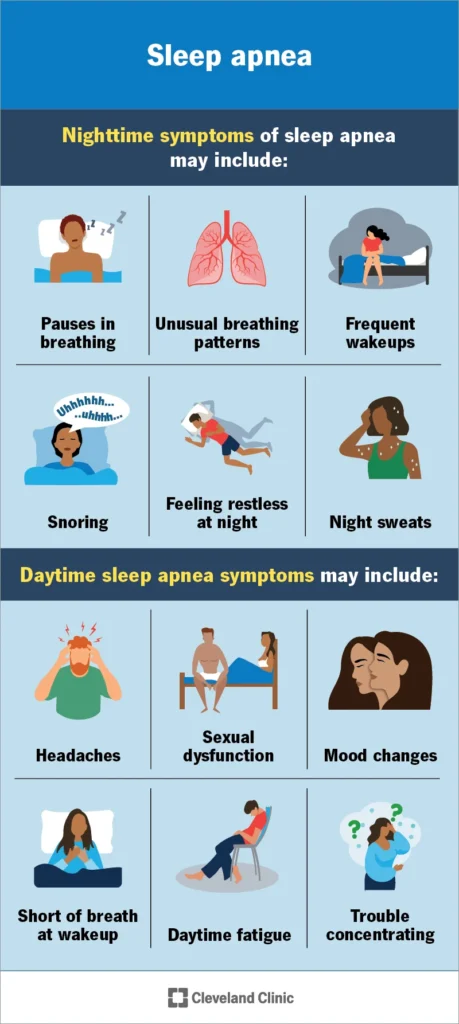
At the same time, more mainstream health sources keep emphasizing sleep apnea awareness, symptoms, and causes. That matters because some snoring is just noisy. Other snoring is a red flag.
Also trending: travel fatigue, winter congestion, and workplace burnout. All three can make snoring louder because they can worsen sleep depth, inflammation, and nasal airflow.
Before you buy anything: a 60-second self-check
Snoring can be harmless, but don’t ignore warning signs. Consider getting medical guidance if you notice any of the following:
- Breathing pauses, choking, or gasping during sleep (someone else often notices first)
- Morning headaches, dry mouth, or unrefreshing sleep most days
- Strong daytime sleepiness, dozing at work, or drowsy driving
- High blood pressure or a history of sleep-disordered breathing
These can overlap with obstructive sleep apnea. A mouthpiece may still be part of a plan, but you’ll want the right plan.
The decision guide: if/then routes to quieter nights
Use the branch that sounds most like you. You can mix and match, but start with the best fit.
If you’re tempted to tape your mouth shut… then pause
If your nose gets blocked at night, forcing your mouth closed can backfire. Many clinicians urge caution because nasal obstruction, allergies, or underlying breathing issues can make mouth taping uncomfortable or risky.
Try safer first steps: support nasal airflow, address dryness, and improve sleep position. If you want context on the caution, see Why Doctors Say You Shouldn’t Tape Your Mouth Shut at Night.
If your snoring spikes in winter or with congestion… then start with the nose
Cold air, indoor heating, and seasonal stuffiness can narrow nasal passages. Some recent coverage has also highlighted how managing nasal symptoms can improve sleep-disordered breathing in certain cases, especially in kids.
For adults, the takeaway is simple: don’t ignore nasal comfort. Consider humidity, allergy control, and gentle nasal rinsing options that your clinician says are appropriate.
If you snore mostly on your back… then change position first
Back sleeping can let the tongue and soft tissues fall backward. Side-sleeping often reduces vibration and noise.
If you travel a lot, this is where “hotel pillow engineering” becomes a real skill. A supportive pillow and a consistent bedtime can do more than another app subscription.
If your partner says it’s loud, nightly, and getting worse… then think airway support
Relationship humor aside, chronic snoring can chip away at both people’s sleep quality. That can show up as irritability, lower focus, and burnout at work.
This is where an anti snoring mouthpiece can make sense. Many designs aim to keep the airway more open by adjusting jaw or tongue position. The right option depends on your comfort and how you breathe at night.
If you wake up with jaw soreness or have dental concerns… then choose carefully
Mouthpieces can stress the jaw or teeth if the fit is off or if you already grind your teeth. If you have TMJ symptoms, loose dental work, or significant bite issues, get professional guidance before using a device that changes jaw position.
If you want a simple, travel-ready setup… then consider a combo approach
Some people prefer a mouthpiece paired with support that helps keep the mouth from falling open. If you’re looking for an all-in-one option, see this anti snoring mouthpiece.
How to use an anti snoring mouthpiece without overcomplicating it
Keep the goal small: quieter breathing and better sleep quality. Not perfection.
- Give it a short adjustment window. Many people need several nights to get used to a mouthpiece.
- Track outcomes that matter. Fewer wake-ups, less dry mouth, and better morning energy beat obsessing over one sleep score.
- Stop if pain builds. Mild awareness is one thing. Persistent jaw pain or tooth pain is another.
Quick reality checks (so you don’t waste money)
- A mouthpiece won’t fix every cause of snoring. Congestion and alcohol can overpower any device.
- Snoring reduction is not the same as treating sleep apnea. If apnea is a concern, get evaluated.
- Gadgets can support a plan, but they can’t replace basics like schedule, position, and airflow.
FAQs
Is snoring always a sign of sleep apnea?
No. Many people snore without sleep apnea, but loud, frequent snoring plus choking/gasping, pauses in breathing, or heavy daytime sleepiness should be checked.
Are anti-snoring mouthpieces safe?
Many adults tolerate them well, but fit and jaw comfort matter. If you have jaw pain, dental issues, or suspected sleep apnea, talk with a clinician or dentist first.
Why do some doctors warn against mouth taping?
If your nose gets blocked or you have underlying breathing issues, forcing the mouth closed can feel uncomfortable and may be risky for some people. Safer options exist.
What if my snoring is worse in winter or when I travel?
Dry air, congestion, alcohol, and sleep debt can all worsen snoring. Focus on nasal comfort, sleep schedule, and a consistent snoring plan you can use on the road.
How fast does an anti snoring mouthpiece work?
Some people notice changes the first night. Others need a week or two to adjust, especially if the device changes jaw position or you’re learning a new sleep posture.
Your next step
If your snoring is disrupting sleep quality, start with the branch that matches your situation. Then keep it simple for two weeks and reassess.
How do anti-snoring mouthpieces work?
Medical disclaimer
This article is for general education and does not provide medical advice, diagnosis, or treatment. If you suspect sleep apnea, have significant daytime sleepiness, or experience choking/gasping or breathing pauses during sleep, seek evaluation from a qualified healthcare professional.