Blog Post Title: Stop the Snore and Ease the Burn: Managing Acid Reflux with a Mouthpiece
Acid reflux, also known as gastroesophageal reflux disease (GERD), is a common digestive disorder that affects millions of people worldwide. It occurs when stomach acid flows back up into the esophagus, causing a burning sensation in the chest and throat. In some cases, it can also lead to snoring and disrupted sleep. While there are various treatment options available, one innovative solution that has gained popularity in recent years is the use of a mouthpiece.
In this blog post, we will discuss how acid reflux affects sleep and how a mouthpiece can help alleviate its symptoms. We will also cover the different types of mouthpieces available, their effectiveness, and tips for managing acid reflux with a mouthpiece.
Understanding Acid Reflux and Its Impact on Sleep
Acid reflux occurs when the lower esophageal sphincter (LES), a muscle that acts as a barrier between the stomach and the esophagus, does not close properly. This allows stomach acid to flow back up into the esophagus, causing irritation and inflammation. The symptoms of acid reflux can be felt during the day, but they are often more noticeable at night when lying down.
One of the most common symptoms of acid reflux is heartburn, a burning sensation in the chest and throat. This can make it difficult to fall asleep and stay asleep, leading to disrupted sleep patterns. In addition, acid reflux can also cause snoring, as the acid irritates the throat and causes the tissues to swell, making it harder to breathe.
The Role of a Mouthpiece in Managing Acid Reflux
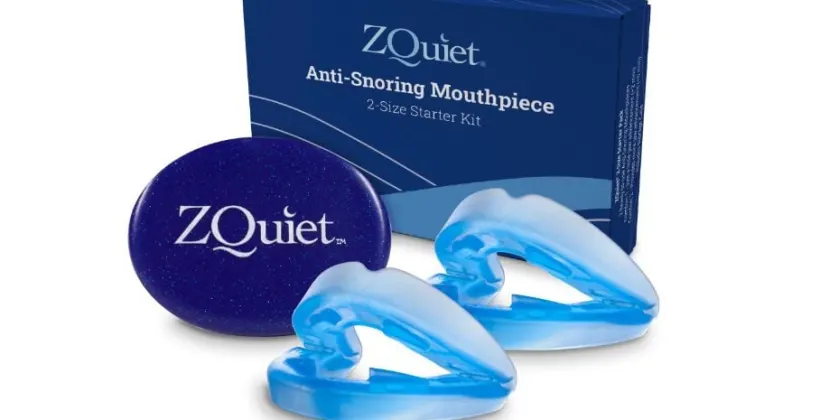
A mouthpiece, also known as an oral appliance, is a device that is worn in the mouth to help treat various conditions, including acid reflux. It works by keeping the jaw in a slightly forward position, which helps keep the airway open and prevents the tongue and soft tissues from collapsing and blocking the airway. This, in turn, reduces snoring and can also help alleviate acid reflux symptoms.
Types of Mouthpieces for Acid Reflux
There are two main types of mouthpieces that are commonly used for managing acid reflux: mandibular advancement devices (MADs) and tongue retaining devices (TRDs).
Stop the Snore and Ease the Burn: Managing Acid Reflux with a Mouthpiece
MADs are the most common type of mouthpiece used for acid reflux. They are custom-made to fit the individual’s mouth and are designed to keep the lower jaw in a forward position, which helps prevent the tongue and tissues from collapsing and blocking the airway.
TRDs, on the other hand, are designed to hold the tongue in place while sleeping. They are typically made of soft material and are less invasive than MADs. However, they may not be as effective in preventing snoring and acid reflux symptoms for everyone.
Effectiveness of Mouthpieces for Acid Reflux
Research has shown that mouthpieces can be effective in managing acid reflux symptoms, particularly snoring. A study published in the Journal of Clinical Sleep Medicine found that MADs were effective in reducing snoring and improving sleep quality in patients with acid reflux. Another study published in the Journal of Gastroenterology and Hepatology found that TRDs were also effective in reducing snoring and acid reflux symptoms.
Tips for Managing Acid Reflux with a Mouthpiece
1. Consult with a sleep specialist: Before using a mouthpiece for acid reflux, it is essential to consult with a sleep specialist or a dentist who specializes in treating sleep disorders. They can help determine the best type of mouthpiece for your specific needs and ensure it is the right fit for your mouth.
2. Follow proper care and maintenance: It is important to follow the manufacturer’s instructions for cleaning and storing your mouthpiece. This will help prevent bacteria buildup and prolong its lifespan.
3. Combine with other lifestyle changes: While a mouthpiece can be an effective treatment for acid reflux, it is important to also make lifestyle changes, such as avoiding trigger foods, eating smaller meals, and not lying down immediately after eating.
4. Be patient: It may take some time to get used to wearing a mouthpiece while sleeping. It is important to be patient and give yourself time to adjust. If you experience any discomfort or pain, consult with your sleep specialist or dentist.
In summary, acid reflux can have a significant impact on sleep, causing both snoring and disrupted sleep patterns. A mouthpiece can be an effective solution for managing these symptoms by keeping the airway open and reducing the likelihood of acid reflux. By consulting with a specialist, following proper care and maintenance, and making lifestyle changes, a mouthpiece can help you get a better night’s sleep and ease the burn of acid reflux.