
Before you try anything, run this quick checklist.
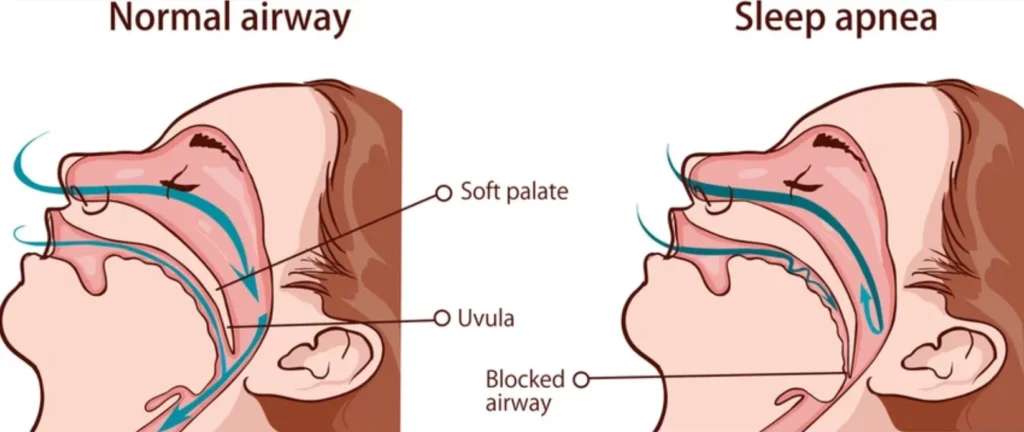
- Is the snoring new or suddenly worse? Travel fatigue, alcohol, congestion, and burnout can all tip you over the edge.
- Is anyone noticing pauses, choking, or gasping? That’s a “don’t DIY forever” signal.
- Do you wake up unrefreshed? If mornings feel like a second job, your sleep quality may be taking a hit.
- Is it causing relationship friction? The jokes are common. The sleep debt is not funny.
- Do you want a simple first move? Start with the format that matches your likely cause (nose vs mouth vs jaw).
Snoring is having a moment in the culture again. Sleep trackers, “smart” pillows, nasal gadgets, and mouthpieces keep showing up in conversations—often right next to talk about workplace burnout and constant travel. The trend is clear: people want better sleep, fast, without turning their bedroom into a lab.
At the same time, health outlets keep reminding readers that snoring can connect to bigger issues, including sleep-disordered breathing and cardiovascular strain. If you want a grounded overview, here’s a relevant read: Anti-Snoring Mouthpiece vs Nose Strips: Consumer Analysis Explains Why Product Format May Matter More Than Brand.
A decision guide: if this, then that
Skip the brand debate for a second. Recent consumer-style coverage has focused on a simpler point: product format can matter more than the logo on the box. Use the branches below to narrow your first try.
If you mostly breathe through your mouth, then start with a mouthpiece
If your partner says you sleep with your mouth open, or you wake up with a dry mouth, a mouth-focused solution may fit better than a nasal strip. An anti snoring mouthpiece is designed to help keep the airway more open by changing jaw or tongue position (depending on the style).
People like mouthpieces because they’re low-tech. No charging. No app. No “firmware update” at 2 a.m.
If you feel blocked in your nose, then consider nasal support first
If congestion, allergies, or a “stuffy nose season” is your main story, nasal strips or internal nasal dilators may be worth a trial. Research summaries and reviews often discuss mixed results, which makes sense: nasal devices can help airflow through the nose, but they won’t fix every type of snoring.
Practical takeaway: nasal tools are best when the bottleneck is nasal. If the sound is coming from deeper airway collapse, you may need a different approach.
If snoring is loud, frequent, and paired with daytime fatigue, then don’t treat it like a gadget problem
Here’s the line people miss: snoring can be a nuisance, and it can also be a sign of sleep-disordered breathing. If you notice gasping, witnessed pauses, morning headaches, or heavy daytime sleepiness, it’s smart to get screened for obstructive sleep apnea.
Dental organizations have also been discussing emerging therapies and the role of dental sleep medicine. That’s another hint that the “right fix” sometimes involves professional fitting and follow-up, not just shopping.
If travel or burnout is making it worse, then fix the timing around sleep
Snoring often spikes when your routine collapses. Think red-eye flights, hotel pillows, late dinners, and stress scrolling. Even if you use a mouthpiece, your sleep quality can still suffer if your schedule is chaotic.
- If you’re jet-lagged, then simplify nights: consistent bedtime, lighter evening meals, and less alcohol close to sleep.
- If you’re burned out, then protect wind-down time: dim lights, fewer notifications, and a predictable pre-sleep routine.
- If your relationship is taking hits, then make it a shared plan: agree on a two-week trial of one change at a time.
Where an anti-snoring mouthpiece fits (and what to watch)
Mouthpieces are popular because they’re straightforward and portable. They also match the way many people actually live: busy weeks, unpredictable sleep, and a desire for something that doesn’t require a full bedroom makeover.
Good signs you picked the right category
- Snoring volume drops within a few nights of consistent use.
- You wake up with less dry mouth (if mouth breathing was part of the issue).
- Your partner reports fewer wake-ups.
Red flags to stop and reassess
- Jaw pain, tooth pain, or new clicking in the jaw.
- Bite changes that persist into the day.
- No improvement plus ongoing daytime sleepiness.
If you want a product-style option that combines approaches, you can look at an anti snoring mouthpiece. Some people like a combo because it supports mouth closure while also addressing jaw position.
Quick reality check: sleep tech is helpful, but it’s not a diagnosis
Wearables and sleep apps can be motivating. They can also make you obsess over numbers. Use them to spot patterns—like worse snoring after late drinks or during stressful weeks—but don’t treat a score as medical proof.
FAQs
Is snoring always a sign of sleep apnea?
No. But if snoring is loud and frequent, or paired with gasping, pauses, or major daytime sleepiness, it’s worth a medical evaluation.
What’s the difference between a mouthpiece and nose strips?
Mouthpieces target jaw/tongue position and airway space. Nose strips and dilators target nasal airflow. Your best first pick depends on where the restriction is happening.
Can an anti-snoring mouthpiece help sleep quality?
It can, especially when snoring is tied to jaw position or mouth breathing. Fit and comfort drive consistency, and consistency drives results.
Are over-the-counter mouthpieces safe?
They can be, but side effects like jaw soreness or bite changes can happen. Stop if you develop pain or lasting bite changes and consider professional guidance.
When should I see a doctor about snoring?
If you have breathing pauses, choking/gasping, morning headaches, high blood pressure concerns, or significant daytime sleepiness, get screened for sleep apnea.
CTA: pick one change and run a 14-night trial
Don’t stack five gadgets at once. Choose one format, track how you feel in the morning, and listen to the person who hears you snore.
How do anti-snoring mouthpieces work?
Medical disclaimer: This article is for general education only and is not medical advice. Snoring can have multiple causes, including sleep apnea. If you have symptoms like breathing pauses, gasping, chest pain, severe daytime sleepiness, or concerns about heart health, seek evaluation from a qualified clinician.