
Snoring and acid reflux are two common issues that can greatly impact one’s quality of sleep and overall health. While many people may attribute these problems to certain lifestyle habits or medical conditions, there are actually some surprising triggers that can contribute to both snoring and acid reflux. In this blog post, we will explore these unexpected triggers and discuss how they can affect our sleep and digestive health.
1. Sleep Position
Many people are aware that sleeping on your back can increase the likelihood of snoring, but did you know that it can also worsen acid reflux? When you sleep on your back, gravity pulls your tongue and soft palate towards the back of your throat, obstructing your airway and causing snoring. This position also allows stomach acid to flow more easily into your esophagus, triggering heartburn and acid reflux. To reduce snoring and acid reflux, try sleeping on your side or elevating your upper body with pillows.
2. Allergies
Allergies can be a surprising trigger for both snoring and acid reflux. When your nasal passages are congested due to allergies, it can be difficult to breathe through your nose, leading to mouth breathing and snoring. This can also cause you to swallow more air, which can contribute to acid reflux. To alleviate these issues, try using a nasal spray or taking an antihistamine before bed to reduce congestion.
3. Stress
Stress and anxiety can have a significant impact on your sleep quality and digestive health. When you are stressed, your body produces more cortisol, a hormone that can relax the muscles in your throat and cause snoring. Additionally, stress can increase acid production in your stomach, leading to acid reflux. To combat these effects, try incorporating stress-reducing activities into your daily routine, such as meditation, exercise, or journaling.
4. Medications
Certain medications, such as muscle relaxers, sedatives, and antidepressants, can relax the muscles in your throat and contribute to snoring. They can also increase acid production in your stomach, leading to acid reflux. If you suspect that your medication may be causing these issues, talk to your doctor about alternative options.
5. Smoking and Alcohol
Both smoking and alcohol consumption can irritate the throat and relax the muscles, leading to snoring and acid reflux. Smoking can also increase mucus production, which can further congest the airways and contribute to snoring. If you are a smoker, consider quitting to improve your sleep and overall health. Limiting alcohol consumption, especially close to bedtime, can also help reduce snoring and acid reflux.
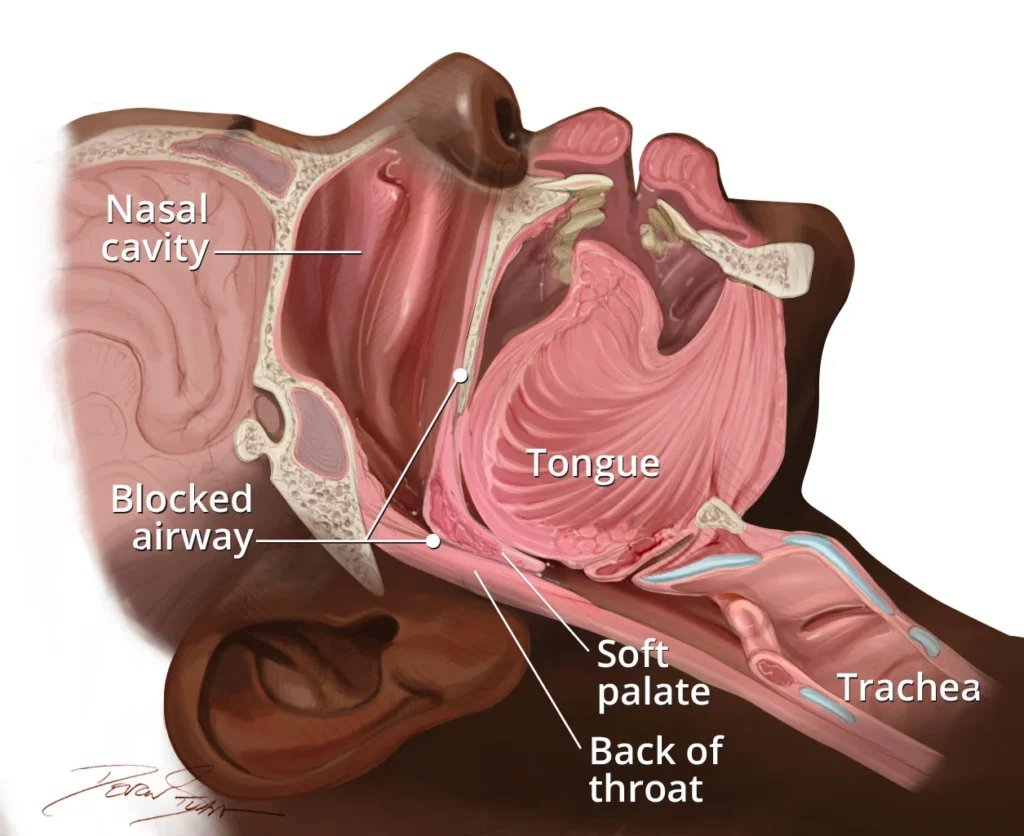
Surprising Triggers for Snoring and Acid Reflux
6. Obesity
Obesity is a common risk factor for both snoring and acid reflux. Excess weight can put pressure on the abdomen, forcing stomach acid up into the esophagus and causing acid reflux. It can also contribute to snoring by narrowing the airways and making it more difficult to breathe. Maintaining a healthy weight through diet and exercise can help reduce these issues.
7. Eating Before Bed
Eating a heavy meal or snacking close to bedtime can increase your risk of both snoring and acid reflux. When you lie down after eating, stomach acid can more easily flow into the esophagus, leading to heartburn and acid reflux. Plus, the act of swallowing can push air into your stomach, contributing to snoring. To prevent these issues, try to avoid eating within 2-3 hours of bedtime.
8. Acidic Foods
Certain foods, such as tomatoes, citrus fruits, and spicy dishes, can trigger acid reflux due to their acidic nature. These foods can irritate the lining of the esophagus and cause heartburn. For those who are prone to snoring, consuming these foods before bedtime can also contribute to snoring by increasing mucus production and causing congestion. It is best to avoid these foods close to bedtime to prevent snoring and acid reflux.
9. Sleep Apnea
Sleep apnea is a sleep disorder where breathing repeatedly stops and starts during the night. It is a common cause of snoring and can also worsen acid reflux. People with sleep apnea are more likely to experience acid reflux because the pauses in breathing can cause a change in pressure in the throat, making it easier for stomach acid to flow into the esophagus. If you suspect that you may have sleep apnea, consult with a doctor for proper diagnosis and treatment.
10. Acid Reflux Triggers
While there are many factors that can contribute to acid reflux, there are some common triggers that may surprise you. These include eating large meals, lying down after eating, wearing tight clothing, and smoking. Identifying and avoiding these triggers can help reduce the frequency and severity of acid reflux.
In conclusion, snoring and acid reflux can be caused by a variety of surprising triggers, from sleep position and allergies to stress and obesity. By identifying and addressing these triggers, we can improve our sleep quality and digestive health. If you are experiencing persistent snoring or acid reflux, it is important to consult with a doctor for proper diagnosis and treatment.