
Blog Post:

Snoring is a common problem that affects millions of people worldwide. While it may seem like a harmless annoyance, snoring can actually be a sign of an underlying health issue. One of the main causes of snoring is a deviated septum, which is the displacement of the thin wall between the nostrils. This can lead to difficulty breathing, disrupted sleep, and even health problems. In this blog post, we will explore surprising triggers for snoring and how a deviated septum may be the culprit behind your loud and disruptive snoring.

1. Allergies and Sinus Infections

Allergies and sinus infections can cause inflammation and swelling in the nasal passages, leading to a deviated septum. This can make it difficult for air to pass through, resulting in snoring. In addition, allergies and sinus infections can also cause congestion, which can further contribute to snoring. If you suffer from seasonal allergies or frequent sinus infections, it is important to address these issues to help alleviate snoring caused by a deviated septum.

2. Sleep Position

Believe it or not, your sleep position can play a significant role in your snoring. Sleeping on your back can cause the tongue and soft tissues in the throat to relax and block the airway, leading to snoring. This can be exacerbated by a deviated septum, as the already narrowed nasal passages can become even more obstructed when lying on your back. To prevent snoring, try sleeping on your side or stomach instead.

3. Age

As we age, our muscles and tissues become weaker, including those in the throat and nasal passages. This can lead to a narrowing of the airway, making it more difficult for air to pass through and causing snoring. A deviated septum can also become more pronounced with age, making snoring even worse. If you have noticed an increase in your snoring as you’ve gotten older, it may be worth getting your deviated septum checked by a doctor.

4. Weight Gain
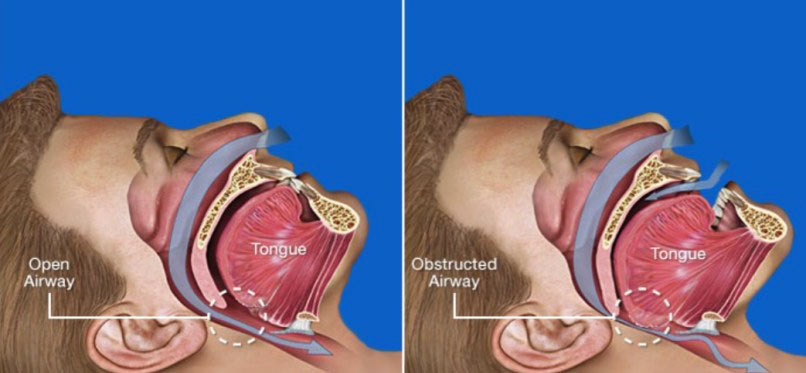
Surprising Triggers for Snoring and Deviated Septum

Excess weight can also contribute to snoring and a deviated septum. When we gain weight, fat can build up around the neck and throat, putting pressure on the airway and causing it to narrow. This can make it more difficult for air to pass through and can lead to snoring. In addition, weight gain can also affect the position of the nasal septum, making a deviated septum more pronounced and causing snoring. Losing weight can not only improve overall health but can also help reduce snoring caused by a deviated septum.

5. Smoking and Alcohol Consumption

Smoking and excessive alcohol consumption can irritate and inflame the tissues in the throat and nasal passages, leading to snoring. In addition, these habits can also relax the muscles in the throat, making it more likely for the airway to become obstructed and causing snoring. A deviated septum can make this even worse, as the already narrowed nasal passages can become even more obstructed when exposed to smoke or alcohol. Quitting smoking and limiting alcohol consumption can help reduce snoring and improve overall health.

6. Genetics

Unfortunately, some people may be more prone to snoring due to genetics. If you have a family history of snoring or a deviated septum, you may be more likely to experience these issues. While you cannot change your genetics, being aware of your family history can help you understand and address any potential snoring or deviated septum issues.

7. Injury or Trauma to the Nose

In some cases, a deviated septum can be caused by an injury or trauma to the nose. This can be from a sports injury, car accident, or even a fall. Even if the injury seems minor, it can still lead to a deviated septum, which can cause snoring. If you have experienced any trauma to your nose, it is important to get it checked by a doctor to ensure there is no underlying issue.

Summary:

In summary, snoring can be caused by a variety of factors, including a deviated septum. Allergies, sleep position, age, weight gain, smoking, genetics, and injury or trauma to the nose can all contribute to snoring. It is important to address these issues to not only reduce snoring, but also to improve overall health. If you suspect that a deviated septum may be causing your snoring, it is best to consult with a doctor for proper diagnosis and treatment options.

Blog Post: Surprising Triggers for Snoring and Deviated Septum

Snoring is a common sleep problem that affects millions of people all over the world. It is not only disruptive to the snorer’s sleep but also to their partner’s sleep. While there are many known causes of snoring, such as excessive alcohol consumption, smoking, and obesity, there are also some surprising triggers that can contribute to snoring and even a deviated septum. In this blog post, we will explore some of these surprising triggers and how they can affect snoring and deviated septum.

1. Sleeping Position

Did you know that your sleeping position can play a significant role in your snoring and deviated septum? Sleeping on your back can cause the base of your tongue and soft palate to collapse to the back of your throat, obstructing the airway and causing snoring. This position can also worsen a deviated septum, as it puts pressure on the nasal passages, making it difficult to breathe through the nose. The best sleeping position to reduce snoring and alleviate deviated septum symptoms is to sleep on your side.

2. Allergies and Sinus Infections

Allergies and sinus infections can also contribute to snoring and deviated septum. When you have allergies, your nasal passages become inflamed, making it difficult to breathe through your nose. This forces you to breathe through your mouth, which can cause snoring. Similarly, sinus infections can also cause nasal congestion and inflammation, leading to snoring and worsening a deviated septum. It is essential to address allergies and sinus infections promptly to reduce snoring and alleviate deviated septum symptoms.

3. Medications

Certain medications can also trigger snoring and deviated septum. Medications that cause drowsiness, such as antihistamines, muscle relaxants, and sedatives, can relax the throat muscles, causing snoring. These medications can also make it difficult to clear the airway, leading to snoring and worsening a deviated septum. If you are taking any of these medications and experiencing snoring and deviated septum symptoms, it is best to consult with your doctor for alternative options.

4. Sleeping Environment

The environment you sleep in can also contribute to snoring and deviated septum. A dry and stuffy room can irritate the nasal passages, making it challenging to breathe through the nose. This can force you to breathe through your mouth, leading to snoring. Additionally, a dusty room can also irritate the nasal passages and trigger allergies, causing snoring and worsening a deviated septum. It is important to keep your sleeping environment clean and well-humidified to reduce snoring and alleviate deviated septum symptoms.

Surprising Triggers for Snoring and Deviated Septum

5. Age and Genetics

As we age, our muscles tend to lose their tone, including the muscles in the throat. This can cause the throat muscles to relax and collapse, obstructing the airway and causing snoring. Similarly, genetics can also play a significant role in snoring and deviated septum. If your parents or siblings snore, there is a higher chance that you will too. This is because certain physical traits, such as narrow airways and enlarged adenoids, can be inherited, making you more prone to snoring and deviated septum.

6. Mouth Breathing

Breathing through your mouth can also contribute to snoring and deviated septum. When you breathe through your mouth, the air bypasses the nasal passages, which are responsible for filtering and humidifying the air. This can lead to dryness in the throat, causing irritation and snoring. Additionally, mouth breathing can also cause the tongue to fall back, blocking the airway and causing snoring. To reduce snoring and alleviate deviated septum symptoms, it is important to practice breathing through your nose.

7. Hormonal Changes

Hormonal changes in women, such as during pregnancy or menopause, can also contribute to snoring and deviated septum. During pregnancy, increased levels of estrogen can cause the nasal passages to become swollen and congested, leading to snoring. Similarly, during menopause, women may experience weight gain and a decrease in muscle tone, which can contribute to snoring. It is important to address these hormonal changes to reduce snoring and alleviate deviated septum symptoms.

8. Jaw Alignment

An improper alignment of the jaw can also contribute to snoring and deviated septum. When the jaw is not aligned correctly, it can cause the tongue to fall back, obstructing the airway and causing snoring. This misalignment can also put pressure on the nasal passages, making it difficult to breathe through the nose, worsening a deviated septum. If you suspect that your jaw alignment is contributing to your snoring and deviated septum, it is best to consult with a dentist or orthodontist for treatment options.

Conclusion:

While known causes of snoring, such as excessive alcohol consumption and obesity, are common triggers, there are also some surprising triggers that can contribute to snoring and deviated septum. Factors such as sleeping position, allergies, and sinus infections, medications, sleeping environment, age and genetics, mouth breathing, hormonal changes, and jaw alignment can all play a role in snoring and deviated septum. It is essential to address these triggers to reduce snoring and alleviate deviated septum symptoms for a better and more restful sleep.