
Sweet Dreams Ahead: Tried and Tested Snore Relief Techniques
Snoring is a common problem that affects millions of people worldwide. Not only does it disrupt the sleep of the snorer, but it can also be a major source of frustration for their bed partner. In some cases, snoring can even lead to more serious health issues such as sleep apnea. Fortunately, there are several tried and tested techniques that can help alleviate snoring and improve the quality of sleep for both the snorer and their partner. In this blog post, we will discuss some of the most effective snore relief techniques that have been proven to work.
1. Change Your Sleeping Position
One of the most common causes of snoring is sleeping on your back. When you sleep on your back, your tongue and soft palate tend to collapse towards the back of your throat, causing a blockage of the airway. This obstruction of the airway leads to snoring. To alleviate this, try sleeping on your side instead. This will help keep your airway open and reduce snoring. You can also try elevating your head with an extra pillow to keep your airway open and reduce snoring.
2. Use Nasal Strips
Nasal strips are adhesive strips that are placed on the nose to help open up the nasal passages. They work by gently pulling the nostrils apart, allowing more air to flow through. This can be especially helpful for people who suffer from snoring due to nasal congestion or allergies. Nasal strips are easily available over the counter and have been proven to be an effective snore relief technique.
3. Try a Mandibular Advancement Device (MAD)
A mandibular advancement device (MAD) is a mouthpiece that is worn during sleep to help keep the airway open. It works by pushing the lower jaw forward, which prevents the tongue from falling back and blocking the airway. MADs are custom-made by a dentist or can be purchased over the counter. They have been shown to be effective in reducing snoring and improving sleep quality.
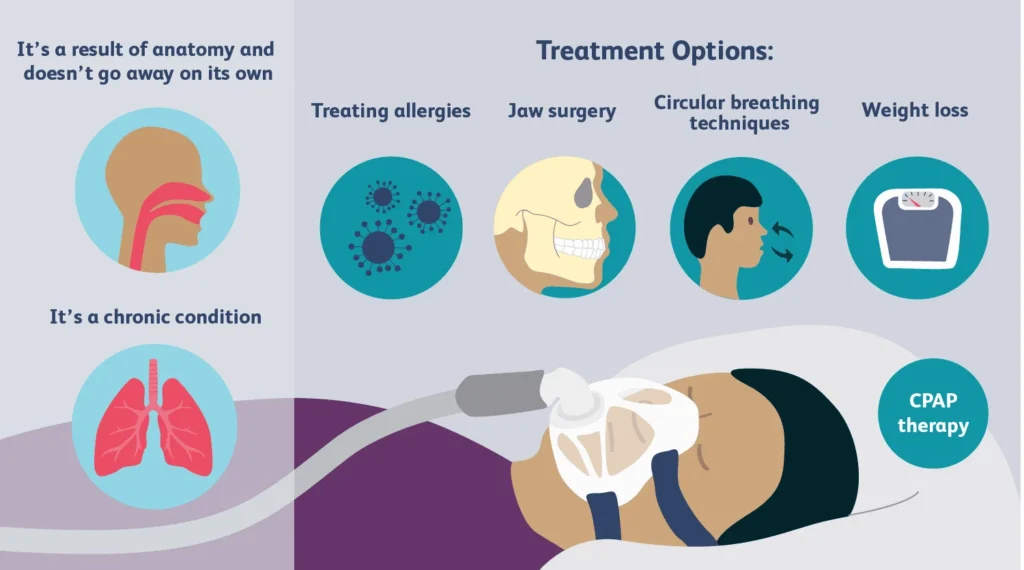
Sweet Dreams Ahead: Tried and Tested Snore Relief Techniques
4. Practice Good Sleep Hygiene
Sleep hygiene refers to the habits and practices that promote good sleep. These include going to bed and waking up at the same time each day, avoiding caffeine and heavy meals close to bedtime, and creating a comfortable and quiet sleep environment. By practicing good sleep hygiene, you can improve the quality of your sleep, which can in turn reduce snoring.
5. Lose Weight
Excess weight can contribute to snoring by putting pressure on the airway and causing it to narrow. Losing weight can help reduce the amount of tissue in the throat, which can lead to a decrease in snoring. In addition, regular exercise can also help strengthen the muscles in the throat, reducing the likelihood of snoring.
6. Use Essential Oils
Certain essential oils, such as peppermint, eucalyptus, and lavender, can help open up the airways and reduce snoring. These oils can be diffused in the bedroom or applied topically before bedtime. However, it is important to note that essential oils should be used with caution and under the guidance of a qualified aromatherapist.
7. Consider Surgery
If other snore relief techniques have not been effective, surgery may be an option. Surgery can be used to remove excess tissue in the throat, correct structural abnormalities, or widen the airway. However, surgery should only be considered as a last resort and should be discussed with a doctor.
In conclusion, snoring is a common issue that can have a significant impact on the quality of sleep. Fortunately, there are several tried and tested techniques that can help reduce snoring and improve sleep for both the snorer and their partner. By making simple lifestyle changes and trying out these snore relief techniques, you can enjoy a peaceful and snore-free night’s sleep.