
Sweet Dreams, Quiet Nights: Choosing the Right Pillow for Snoring
Snoring is a common issue that affects many people, whether they are the snorer or their bed partner. It can disrupt sleep, cause fatigue and irritability, and even lead to more serious health problems. While there are various remedies and treatments for snoring, one often overlooked solution is choosing the right pillow. In this blog post, we will explore the importance of selecting the right pillow for snoring and provide tips on how to choose the best pillow for a peaceful and snore-free night’s sleep.
Understanding Snoring and Its Causes
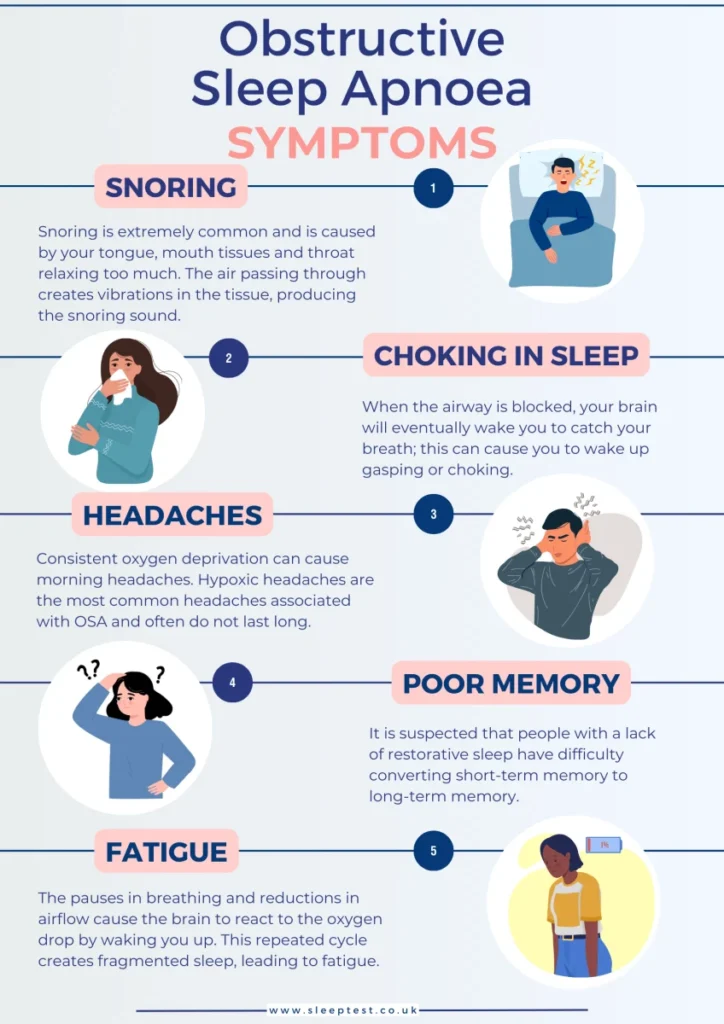
Before diving into the topic of pillows for snoring, it is essential to understand what causes snoring. Snoring occurs when the air cannot move freely through the nose and throat during sleep, resulting in vibrations in the soft tissues of the throat. These vibrations produce the loud, snoring sound that we are all familiar with. Snoring can be caused by several factors, including:
1. Sleep position: Sleeping on your back can cause the tongue to relax and fall back, obstructing the airway and causing snoring.
2. Age: As we age, our throat muscles tend to relax more, making snoring more common.
3. Weight: Being overweight can lead to excess fatty tissue in the neck, which can put pressure on the airway and cause snoring.
4. Nasal congestion: Allergies, sinus infections, and other nasal issues can obstruct the airway and cause snoring.
5. Alcohol and medication: Consuming alcohol or taking certain medications can relax the throat muscles and contribute to snoring.
Choosing the Right Pillow for Snoring
While there is no one-size-fits-all solution for snoring, choosing the right pillow can make a significant difference in reducing or eliminating snoring. Here are some factors to consider when selecting a pillow for snoring:
Sweet Dreams, Quiet Nights: Choosing the Right Pillow for Snoring
1. Loft/Height: The loft or height of a pillow refers to its thickness. People who snore often benefit from a pillow with a higher loft as it helps keep the head elevated, reducing the chances of the tongue falling back and obstructing the airway.
2. Firmness: The firmness of a pillow is another essential factor to consider. A pillow that is too soft can sink in, causing the head to tilt backward, which can lead to snoring. On the other hand, a pillow that is too firm can put pressure on the neck and cause discomfort.
3. Material: The material of the pillow can also play a role in reducing snoring. Memory foam pillows are known for their ability to contour to the shape of the head and neck, providing adequate support and reducing snoring. Natural materials such as latex and buckwheat are also known for their hypoallergenic properties and breathability, making them suitable for snorers with allergies or nasal congestion.
4. Sleep position: As mentioned earlier, sleeping on your back can contribute to snoring. Therefore, some pillows come with features that encourage side-sleeping, such as a raised edge that keeps the head in a stable position.
5. Specialized pillows: Several types of pillows are designed specifically for snorers, such as anti-snore pillows, which are angled to keep the head elevated and prevent the tongue from falling back. There are also wedge pillows, which can be used to elevate the upper body, reducing snoring caused by acid reflux and sleep apnea.
Tips for Choosing the Right Pillow for Snoring
Now that we have covered the essential factors to consider when choosing a pillow for snoring, here are some tips to keep in mind:
1. Test the pillow: It is essential to test a pillow before purchasing it, especially if you are buying it for snoring. Lie down in your usual sleep position, and see if the pillow provides adequate support and keeps your head properly elevated.
2. Consult with a doctor: If you have severe snoring issues, it is always a good idea to consult with a doctor before investing in a specialized pillow. They can provide you with guidance on the best type of pillow for your specific needs.
3. Consider your partner’s sleep position: If you share a bed with a snorer, consider their sleep position as well when choosing a pillow. If they are a back-sleeper, investing in a pillow that encourages side-sleeping can benefit both of you.
4. Be patient: It may take some time and trial-and-error to find the right pillow for snoring. Be patient and give yourself time to adjust to the new pillow before deciding if it is the right fit for you.
In summary, snoring is a common issue that can be disruptive to sleep and overall health. While there are various remedies and treatments for snoring, choosing the right pillow can make a significant difference. Factors to consider when selecting a pillow for snoring include loft/height, firmness, material, sleep position, and specialized features. It is essential to test the pillow and consult with a doctor if needed, and be patient when finding the right fit.