
Blog Post:
Sleep apnea is a common sleep disorder that affects millions of people worldwide. It is characterized by pauses in breathing or shallow breathing during sleep, leading to frequent awakenings and disrupted sleep. While there are various causes of sleep apnea, one factor that is often overlooked is the sleeping position. Research has shown a clear connection between sleep apnea and side sleeping, with side sleepers being more prone to the disorder. In this blog post, we will explore the link between sleep apnea and side sleeping, and what you need to know about it.
What is Sleep Apnea?
Before we dive into the connection between sleep apnea and side sleeping, let’s first understand what sleep apnea is. Sleep apnea is a sleep disorder characterized by pauses in breathing or shallow breathing during sleep. These pauses can last for a few seconds to minutes and can occur multiple times throughout the night. This disruption in breathing leads to a decrease in oxygen levels in the body, causing frequent awakenings and disrupted sleep. The most common type of sleep apnea is obstructive sleep apnea, where the airway becomes blocked, leading to the pauses in breathing.
Side Sleeping and Sleep Apnea
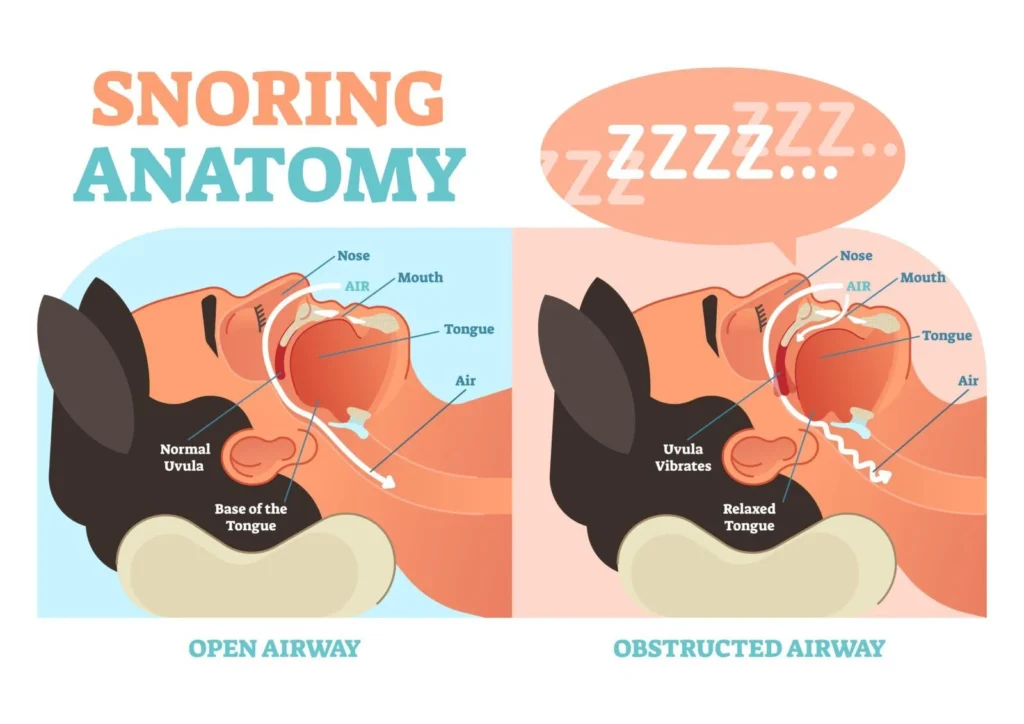
Studies have shown that there is a clear link between sleep apnea and side sleeping. One study found that 47% of people with sleep apnea were side sleepers, while only 14% were back sleepers. This is because side sleeping can contribute to the obstruction of the airway, leading to pauses in breathing. When you sleep on your side, your tongue and soft tissues in your throat can relax and block the airway. This is especially true for individuals who are overweight or have a larger neck circumference, as the excess tissue can further obstruct the airway.
Side sleeping can also worsen sleep apnea symptoms in individuals who already have the disorder. This is because the gravitational pull of the body on the airway can make it easier for the airway to collapse, leading to more frequent pauses in breathing. This can result in more severe symptoms and a decreased quality of sleep.
Benefits of Side Sleeping for Sleep Apnea
The Connection Between Sleep Apnea and Side Sleeping: What You Need to Know
While side sleeping can contribute to sleep apnea, there are some potential benefits for individuals who have mild to moderate sleep apnea. Sleeping on your side can help keep your airway open, as gravity pulls the tongue and other soft tissues away from the airway. This can help reduce the frequency of pauses in breathing and improve the quality of sleep. Additionally, side sleeping can also help reduce snoring, which is a common symptom of sleep apnea.
Tips for Side Sleepers with Sleep Apnea
If you are a side sleeper with sleep apnea, there are some tips you can follow to improve your condition. First and foremost, it is essential to maintain a healthy weight and exercise regularly. Being overweight or obese can increase the risk of sleep apnea and make symptoms worse. Additionally, try to avoid sleeping on your back, as this can worsen sleep apnea symptoms. Using a body pillow or a wedge pillow can help keep you in a side-sleeping position throughout the night.
Another tip is to elevate your head while sleeping. This can help open up the airway and reduce the risk of pauses in breathing. You can use a wedge pillow or add an extra pillow under your head to achieve the desired elevation. Additionally, sleeping on your left side can be more beneficial, as it can help reduce acid reflux, another common symptom of sleep apnea.
When to Seek Treatment
If you suspect that you may have sleep apnea, it is essential to seek treatment from a medical professional. Untreated sleep apnea can lead to serious health complications, such as high blood pressure, heart disease, and stroke. Your doctor may recommend a sleep study to accurately diagnose and determine the severity of your sleep apnea. Treatment options may include lifestyle changes, continuous positive airway pressure (CPAP) therapy, oral appliances, or surgery in severe cases.
In conclusion, there is a clear connection between sleep apnea and side sleeping. While side sleeping can contribute to the disorder, it can also have some potential benefits for individuals with mild to moderate sleep apnea. If you are a side sleeper with sleep apnea, it is crucial to follow the tips mentioned above and seek treatment from a medical professional to improve your condition and overall health.
Summary:
Sleep apnea is a common sleep disorder characterized by pauses in breathing or shallow breathing during sleep. While there are various causes of sleep apnea, one factor that is often overlooked is the sleeping position. Research has shown a clear connection between sleep apnea and side sleeping, with side sleepers being more prone to the disorder. Side sleeping can contribute to the obstruction of the airway, leading to pauses in breathing. However, there are some potential benefits for individuals who have mild to moderate sleep apnea. Tips for side sleepers with sleep apnea include maintaining a healthy weight, avoiding sleeping on the back, and elevating the head while sleeping. It is essential to seek treatment from a medical professional to improve the condition and overall health.