
The Connection Between Smoking and Snoring from Enlarged Tonsils
Smoking and snoring are two common habits that can have a serious impact on our health. While they may seem unrelated, research has shown a strong connection between these two habits. In particular, smoking has been found to contribute to snoring in individuals with enlarged tonsils. In this blog post, we will explore the link between smoking and snoring from enlarged tonsils and how it can affect our overall health.
What are Enlarged Tonsils?
Before we dive into the connection between smoking and snoring, it is important to understand what enlarged tonsils are. Tonsils are small glands in the back of the throat that play a role in our immune system by helping to fight off infections. However, in some cases, the tonsils can become enlarged due to various reasons such as chronic infection, allergies, or genetic factors. When this happens, the tonsils can obstruct the airway, causing breathing difficulties and snoring.
The Effects of Smoking on the Tonsils
Smoking has been linked to numerous health issues, including lung cancer, heart disease, and respiratory problems. But many people may not realize that smoking can also affect the tonsils. When we smoke, the harmful chemicals in the tobacco can irritate and inflame the delicate tissues in our throat, including the tonsils. This can lead to chronic inflammation and enlargement of the tonsils, making it difficult for air to pass through the throat.
The Connection Between Enlarged Tonsils and Snoring
As mentioned earlier, enlarged tonsils can obstruct the airway, causing breathing difficulties and snoring. When the airway is partially blocked, the air passing through can create vibrations in the throat, resulting in the loud snoring sound. This is why people with enlarged tonsils are more likely to snore than those with normal-sized tonsils.
Smoking and Snoring: A Vicious Cycle
The connection between smoking and snoring from enlarged tonsils can create a vicious cycle. Smoking can irritate the tonsils, leading to inflammation and enlargement, which in turn can cause snoring. However, snoring can also worsen the inflammation in the tonsils, making them even more enlarged. This can then further contribute to snoring, creating a never-ending cycle.
The Health Risks of Smoking and Snoring from Enlarged Tonsils
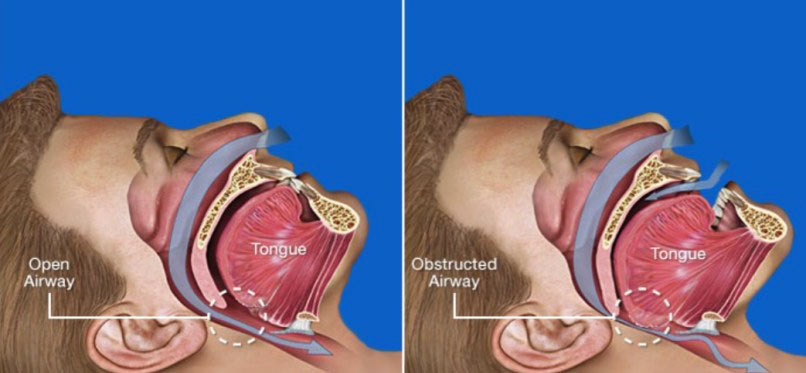
The Connection Between Smoking and Snoring from Enlarged Tonsils
Aside from being an annoyance to others, snoring can also have serious health consequences. It can disrupt our sleep, leading to daytime fatigue, irritability, and difficulty concentrating. Over time, chronic snoring can also increase the risk of developing high blood pressure, heart disease, and stroke. And when combined with the harmful effects of smoking, these risks can be even higher.
What You Can Do About It
The good news is that there are steps you can take to break the cycle of smoking and snoring from enlarged tonsils. The first and most important step is to quit smoking. This will not only improve your overall health but also reduce the inflammation in your tonsils, making them less likely to become enlarged. Additionally, there are various treatments available for enlarged tonsils, including medication, surgery, and lifestyle changes.
Medication
If your enlarged tonsils are caused by chronic infections, your doctor may prescribe antibiotics to help reduce the inflammation. However, it is important to note that antibiotics should not be used as a long-term solution and should only be taken as directed by a medical professional.
Surgery
In severe cases, surgery may be recommended to remove the enlarged tonsils. This procedure, known as a tonsillectomy, can be done under general anesthesia and involves the removal of the tonsils through the mouth. While it may sound daunting, a tonsillectomy is a common and safe procedure that can significantly improve breathing and reduce snoring.
Lifestyle Changes
In addition to medical treatments, certain lifestyle changes can also help reduce the size of enlarged tonsils and alleviate snoring. These include maintaining a healthy weight, avoiding alcohol and sedatives before bedtime, and practicing good sleep hygiene. It is also important to avoid smoking, as it can worsen the inflammation in your tonsils and contribute to snoring.
In conclusion, there is a strong connection between smoking and snoring from enlarged tonsils. Smoking can irritate the delicate tissues in the throat, leading to inflammation and enlargement of the tonsils, which can obstruct the airway and cause snoring. This can create a vicious cycle that can have serious health consequences. However, by quitting smoking and seeking appropriate medical treatment, it is possible to break this cycle and improve your overall health.
Summary:
Smoking and snoring are two common habits that have a serious impact on our health. Enlarged tonsils, which can be caused by chronic inflammation, are a common cause of snoring. Smoking can contribute to the enlargement of tonsils, creating a vicious cycle of snoring and inflammation. This can lead to serious health risks, including sleep disruptions and an increased risk of heart disease and stroke. To break this cycle, it is important to quit smoking, seek medical treatment, and make lifestyle changes such as maintaining a healthy weight and practicing good sleep hygiene.