
Blog Post:
Smoking is a widely known unhealthy habit that can cause serious health problems. From lung cancer to heart disease, the negative effects of smoking are well documented. However, there is another side effect of smoking that is often overlooked – snoring. While snoring may seem like a minor inconvenience, it can actually be a sign of a larger problem and can also have negative impacts on your health and relationships. In this blog post, we will explore the connection between smoking and snoring and why quitting smoking is crucial for your overall health and well-being.
What is Snoring?
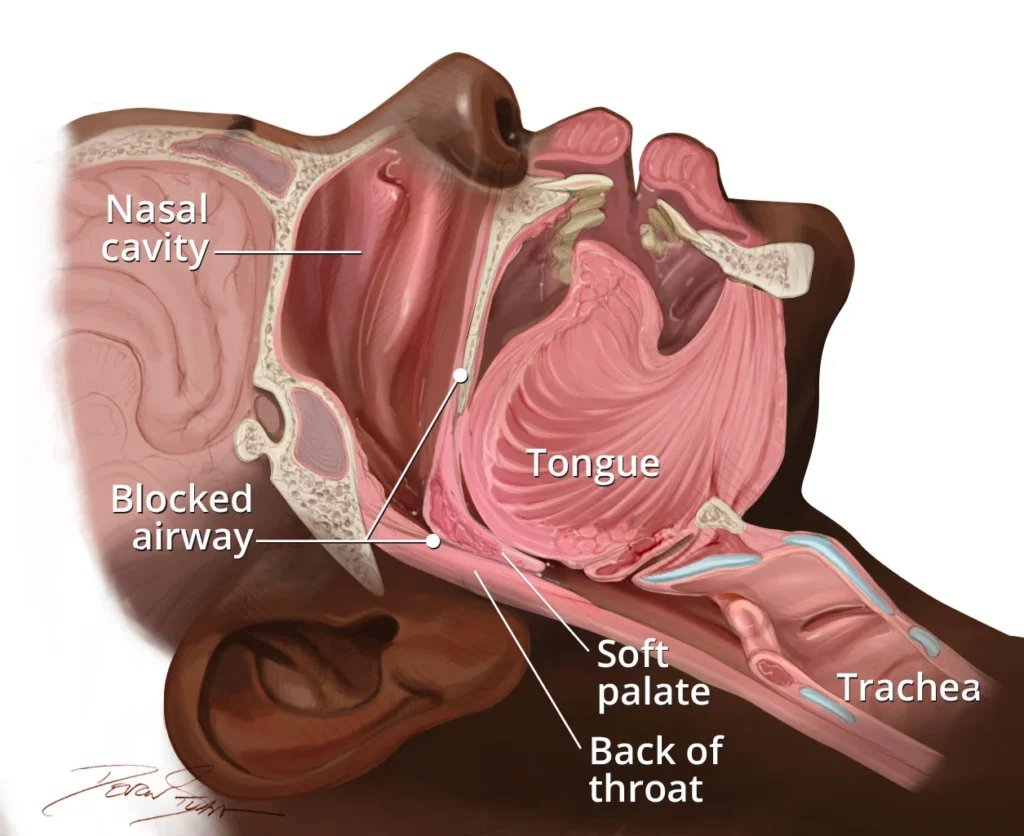
Before we delve into the connection between smoking and snoring, let’s first understand what snoring actually is. Snoring is a common condition that occurs when the flow of air through the mouth and nose is obstructed while sleeping. This obstruction causes the tissues in the throat to vibrate, resulting in the loud, often disruptive sound of snoring. While snoring can affect people of all ages and genders, it is more common in men and those who are overweight.
How Does Smoking Contribute to Snoring?
Smoking is known to cause irritation and inflammation in the airways, which can lead to a narrowing of the air passages. This narrowing can make it more difficult for air to flow freely, increasing the likelihood of snoring. In addition, smoking also weakens the muscles in the throat, making it easier for them to collapse and block the airway. This can result in louder and more frequent snoring.
Furthermore, smoking also contributes to the accumulation of mucus and fluid in the nose and throat, which can further obstruct the airway and lead to snoring. The chemicals in cigarettes can also irritate the delicate tissues in the throat and cause them to swell, making snoring even worse.
Snoring as a Sign of Sleep Apnea
While snoring may seem like a harmless annoyance, it can actually be a sign of a serious sleep disorder known as sleep apnea. Sleep apnea is a condition in which a person’s breathing is interrupted or stops completely for short periods of time during sleep. This can lead to a lack of oxygen in the body and has been linked to a range of health problems including high blood pressure, heart disease, and stroke.
Smoking has been found to be a major risk factor for sleep apnea. The nicotine and other chemicals in cigarettes can cause inflammation in the airways, making it more difficult for air to pass through. This can lead to episodes of interrupted breathing and increase the risk of developing sleep apnea. In fact, studies have shown that smokers are three times more likely to have sleep apnea compared to non-smokers.
The Connection Between Smoking and Snoring: Why You Should Quit Now
Negative Impact on Relationships
Aside from the health implications, snoring can also take a toll on your relationships. Partners of snorers often report feeling frustrated, annoyed, and sleep-deprived due to the loud and disruptive snoring. This can lead to strain in the relationship and even cause partners to sleep in separate rooms. In some cases, snoring can even lead to resentment and conflicts between partners.
Why You Should Quit Smoking Now
The connection between smoking and snoring is clear – smoking can worsen snoring and increase the risk of developing sleep apnea. Aside from that, smoking also has a range of other negative effects on your health, including an increased risk of heart disease, stroke, and various types of cancer. It can also lead to respiratory problems, decreased lung function, and premature aging.
Quitting smoking can significantly improve your overall health and well-being, including reducing the severity of snoring and decreasing the risk of sleep apnea. It can also improve your relationship with your partner, as they will no longer have to deal with the disruptive effects of your snoring.
Tips for Quitting Smoking
Quitting smoking is not easy, but it is certainly possible. Here are some tips to help you on your journey to becoming smoke-free:
1. Set a quit date and stick to it.
2. Seek support from friends and family.
3. Consider joining a support group or seeking professional help.
4. Find healthy ways to cope with cravings, such as exercise or meditation.
5. Avoid triggers and situations that may tempt you to smoke.
6. Stay positive and remind yourself of the benefits of quitting.
Summary:
In summary, smoking and snoring are closely connected, with smoking being a major contributing factor to snoring and sleep apnea. Quitting smoking is crucial for improving your overall health and well-being, as well as reducing the severity of snoring and decreasing the risk of developing sleep apnea. It can also have a positive impact on your relationships. If you are a smoker, it is important to take steps towards quitting as soon as possible for the sake of your health and the health of those around you.