
Blog Post: The Connection Between Snoring and a Deviated Septum
Snoring is a common problem that affects millions of people around the world. It can be disruptive to both the snorer and their partner, often causing interrupted sleep and leading to other health issues. While there are various causes of snoring, one that is often overlooked is a deviated septum. In this blog post, we will explore the connection between snoring and a deviated septum and how it can be treated.
Understanding a Deviated Septum
To understand the connection between snoring and a deviated septum, we must first understand what a deviated septum is. The septum is the wall that separates the two sides of the nose. In a normal nose, the septum is straight and divides the nasal cavity evenly. However, in some cases, the septum can be crooked or deviated, causing one nasal passage to be smaller than the other.
Causes of a Deviated Septum
A deviated septum can either be present from birth or can be caused by injury or trauma to the nose. For example, a broken nose can cause the septum to become crooked, leading to breathing difficulties and snoring. Other factors that can contribute to a deviated septum include genetics, aging, and certain medical conditions like allergies or sinusitis.
How a Deviated Septum Leads to Snoring
When a person has a deviated septum, it can affect their breathing through the nose. The smaller nasal passage can result in difficulty breathing through that side of the nose, leading to congestion and snoring. The snoring sound is caused by the vibration of the soft tissues in the throat when air passes through a narrowed airway. The more obstructed the airway, the louder and more frequent the snoring can be.
Other Health Issues Caused by a Deviated Septum
Aside from snoring, a deviated septum can also lead to other health issues. The imbalance in airflow can cause the person to breathe through their mouth, which can result in dry mouth and throat, leading to a sore throat and bad breath. In severe cases, the imbalance can also affect the quality of sleep, leading to daytime fatigue and difficulty concentrating.
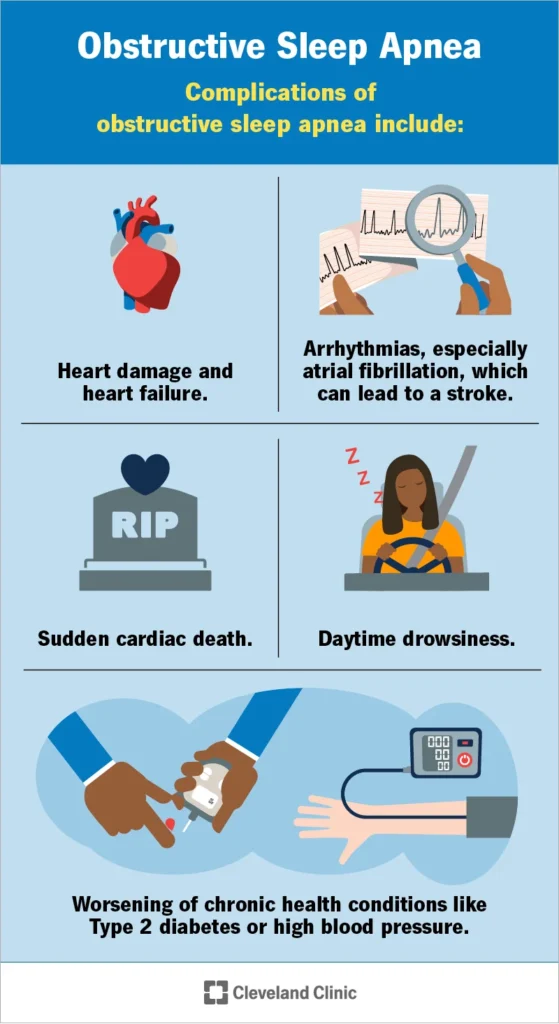
The Connection Between Snoring and a Deviated Septum
Treatment Options for a Deviated Septum
There are several treatment options available for a deviated septum, depending on the severity of the condition. In mild cases, over-the-counter nasal sprays or decongestants can provide temporary relief. However, for more severe cases, surgery may be necessary. Septoplasty is a surgical procedure that aims to straighten the septum, allowing for better airflow and reducing snoring.
It is essential to consult with a doctor before deciding on a treatment option. A thorough examination of the nose and airways can determine the severity of the deviated septum and the best course of action.
Lifestyle Changes to Reduce Snoring
Aside from medical treatments, there are also some lifestyle changes that can help reduce snoring caused by a deviated septum. These include maintaining a healthy weight, avoiding alcohol and sedatives before bed, and sleeping on your side instead of your back. Elevating the head while sleeping can also help reduce snoring.
In some cases, snoring caused by a deviated septum can also be managed through alternative therapies like acupuncture or nasal strips. However, it is essential to consult with a doctor before trying any alternative methods.
In Conclusion
Snoring is a common problem that can have various causes, and a deviated septum is one of them. A deviated septum can lead to difficulty breathing through the nose, resulting in snoring and other health issues. There are several treatment options available, from lifestyle changes to surgical procedures, to manage snoring caused by a deviated septum. It is crucial to consult with a doctor to determine the best course of action for individual cases.
Summary:
Snoring is a common problem that affects many people, and one of the often overlooked causes is a deviated septum. A deviated septum is a condition where the septum, the wall that separates the two sides of the nose, is crooked, leading to a smaller nasal passage. This can cause difficulty breathing through the nose, leading to snoring and other health issues. Treatment options include lifestyle changes, medical treatments, and surgery. It is essential to consult with a doctor to determine the best course of action.